
Emergency Local Plumbers in Youngstown, OH and nearby cities
Emergency Local Plumbers in Youngstown, OH and nearby cities
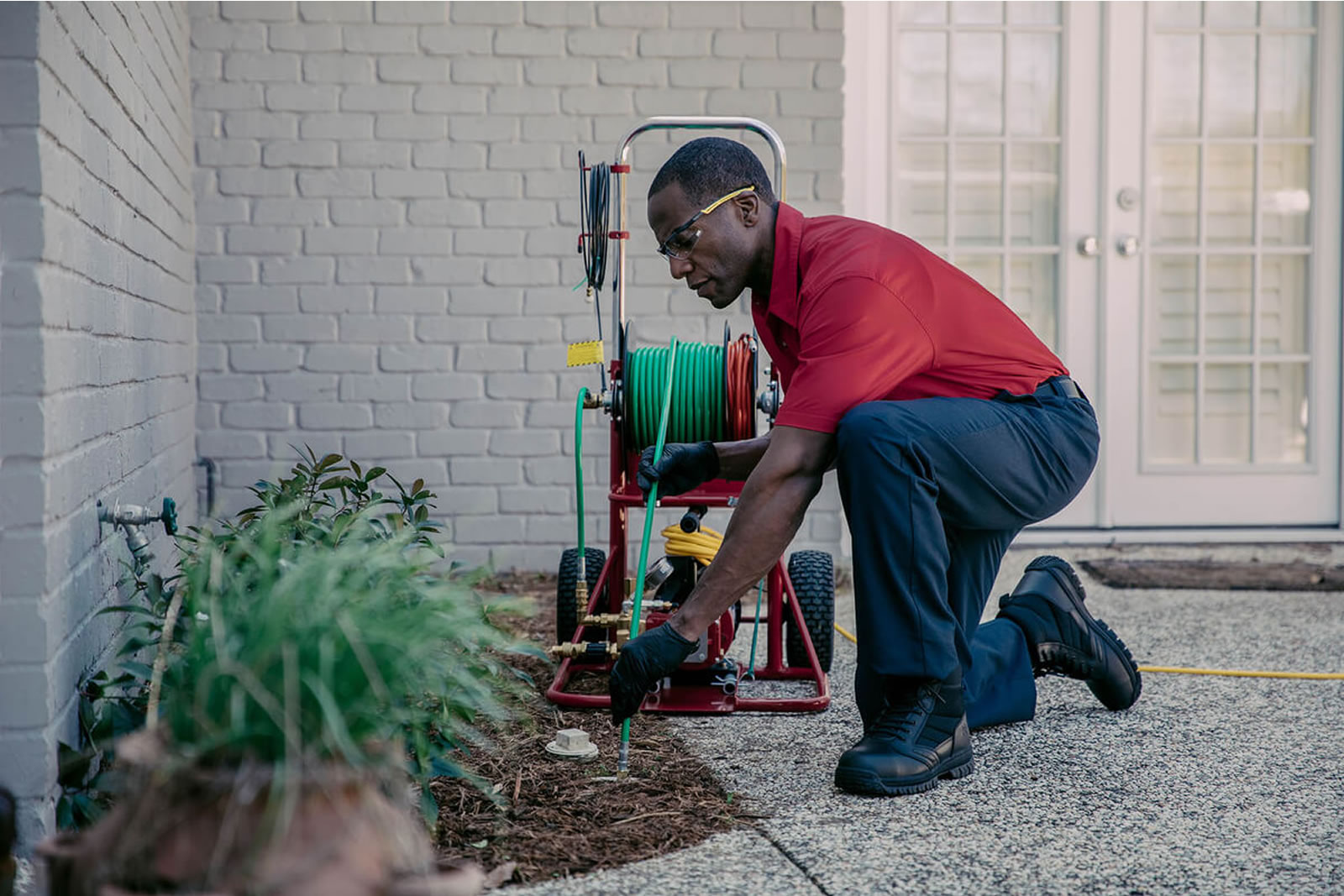

A tankless water heater can start losing efficiency long before it stops working altogether. Mineral deposits can collect inside the heat exchanger, restrict water flow, and make the unit work harder to deliver the same amount of hot water. At Mr. Rooter Plumbing, our plumbing repair service includes water heater repair in Cortland, OH for systems affected by scale buildup and other hard-water problems. Keep reading to learn how mineral-heavy water affects tankless units and what helps reduce buildup before it leads to trouble.
Hard water contains dissolved minerals, primarily calcium and magnesium. Those minerals travel through your plumbing without causing much trouble while they remain dissolved. Conditions change once the water enters a tankless water heater and passes through its heated components.
Tankless units heat water rapidly as it moves through the heat exchanger. Higher temperatures encourage dissolved minerals to leave the water and attach to interior surfaces. Small deposits form first. Additional minerals collect on those deposits each time hot water passes through the unit. The result is a hard, chalky layer known as scale.
As the deposits get thicker, they also take up room inside the heat exchanger. Water has less space to pass through openings that were designed to allow unrestricted flow. The narrower those passages become, the more likely you are to notice reduced water volume or trouble maintaining the temperature you selected.
A local plumber who services tankless equipment can evaluate whether scale has reached the point where routine maintenance is needed or whether another component has also been affected.
Tankless units monitor incoming water and adjust their heating output according to flow. Mineral deposits interfere with the process by creating resistance inside the heat exchanger. Less water passes through the unit at a given pressure. You might notice the difference most when multiple fixtures are using hot water or when a shower requires a higher flow rate.
Scale can also keep parts of the heat exchanger from heating water as well as they should. A clean exchanger transfers heat across the surfaces designed to do the job. When mineral deposits coat some of those areas, the heater has to work around spots that aren't transferring heat as efficiently while still trying to deliver the temperature you've selected. A plumbing repair service can determine whether the restriction comes from mineral buildup inside the heater or another part of the water supply.
Mineral deposits don't have to shut a tankless water heater down completely to cause problems. You usually notice changes in performance first. Catching the changes early gives you a better chance to deal with the buildup before narrow passages or affected parts turn into a bigger repair. Watch for several changes in how your system operates:
Repeated shutdowns, large temperature changes, leaks, or hot water flow that stays weak call for a closer look. An experienced plumber can check for mineral deposits and other problems inside the system. Water heater repair may involve more than removing scale if valves, sensors, seals, or heat exchanger parts have already been affected.
A tankless flush uses a cleaning solution circulated through the heater's internal water passages. The solution dissolves mineral deposits that have attached to the heat exchanger. The system is then rinsed so loosened scale and cleaning solution don't remain inside the unit.
Many tankless systems have service valves that allow the hot and cold water connections to be isolated during the procedure. Hoses attach to those valves, and a small pump circulates the cleaning solution through the heater. Exact procedures vary by manufacturer, so the unit's instructions matter.
You don't have to wait for hot water flow to drop sharply before scheduling maintenance. By the time scale is thick enough to clog narrow passages or affect other parts, a basic flush may not solve everything.
If you're unsure how your particular system should be serviced, a qualified plumber can follow the manufacturer's procedure and inspect accessible components at the same time. A plumbing repair service in Churchill, OH visit also gives you an opportunity to ask whether your maintenance interval makes sense for your home's water conditions.
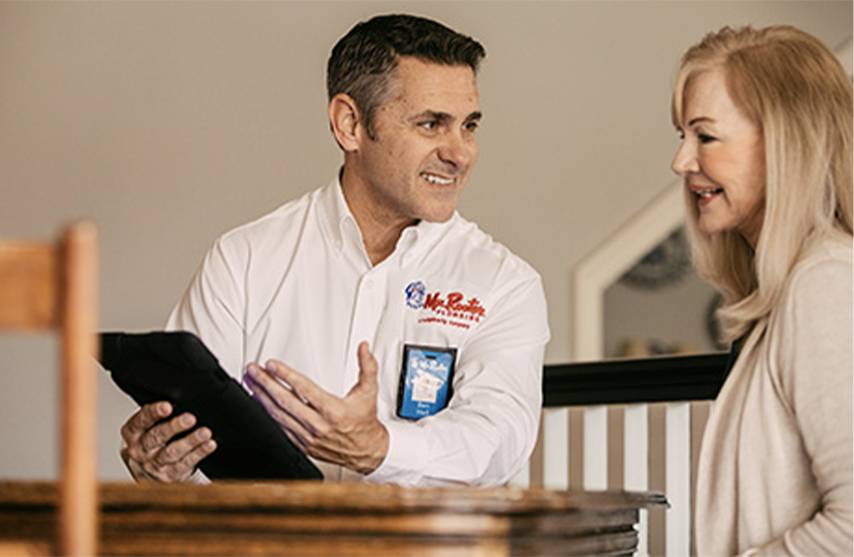
If scale keeps coming back, it may be worth looking beyond another flush. The bigger question is whether you should also do something about the mineral-heavy water entering the heater. A traditional water softener uses ion exchange to remove hardness minerals like calcium and magnesium. Testing the water before choosing treatment equipment will ensure that it’s necessary.
Removing the scale doesn't always end the problem. In some cases, the buildup has already affected valves or other parts, contributed to overheating, or led to leaks. If a flush doesn't bring the heater back to normal, a water heater repair may still be needed. A closer diagnosis will tell you what's wrong before you jump to replacing the entire unit.
Mr. Rooter Plumbing helps homeowners tackle tankless water heater problems. If mineral buildup is affecting your system, contact us to schedule a water heater repair with an experienced plumber. Our team will provide recommendations based on the condition of your equipment without pushing work your system doesn't need.
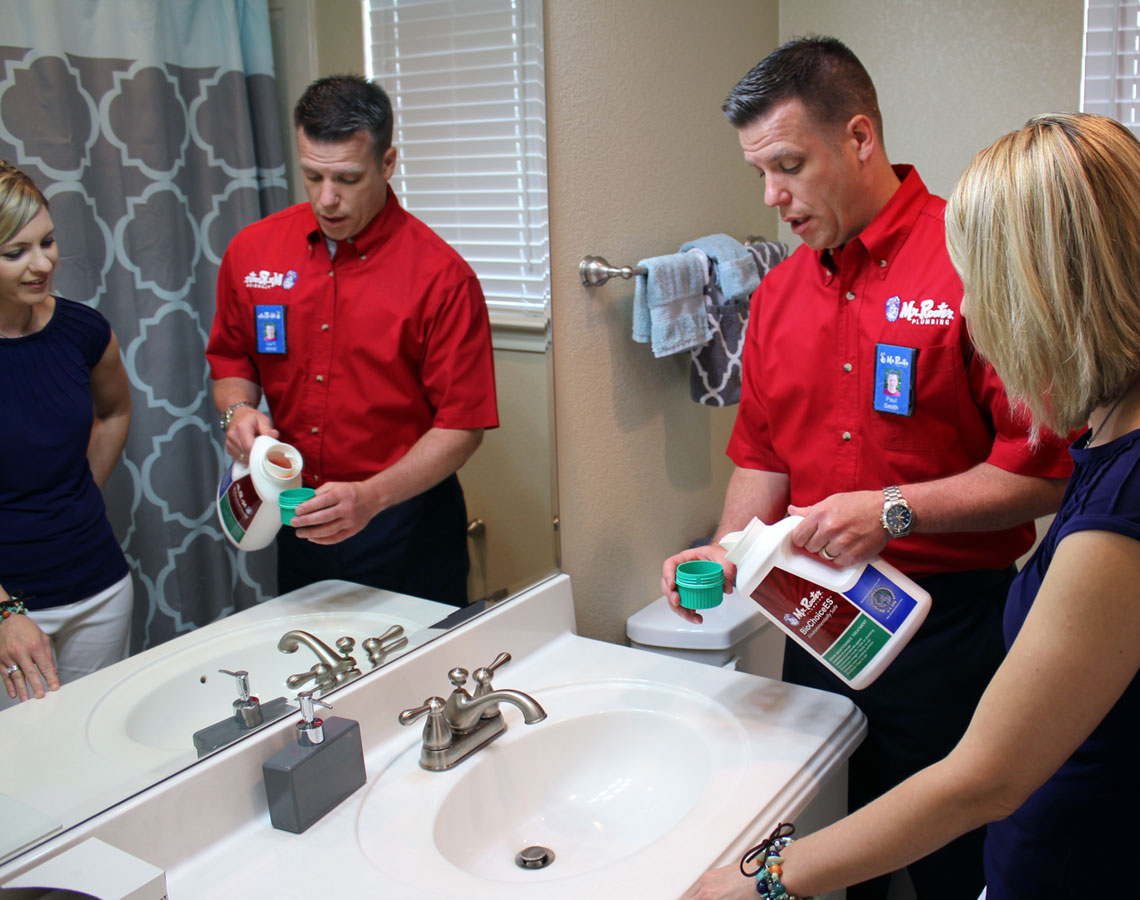
Are you looking for ways to improve the property value of your home or business? Have you been struggling with a leaky bathroom sink, overflowing toilet, or slow-draining bathtub? Then get the help you need today. At Mr. Rooter Plumbing of Youngstown, we…
Kitchen plumbing in Youngstown is especially sensitive considering the kitchen is where we prepare and eat food. This is why you should be mindful of the plumbing system and look out for leaks and sniff for odd smells coming from drains. For reliable…