

Emergency Local Plumbers in Youngstown, OH and nearby cities
Emergency Local Plumbers in Youngstown, OH and nearby cities
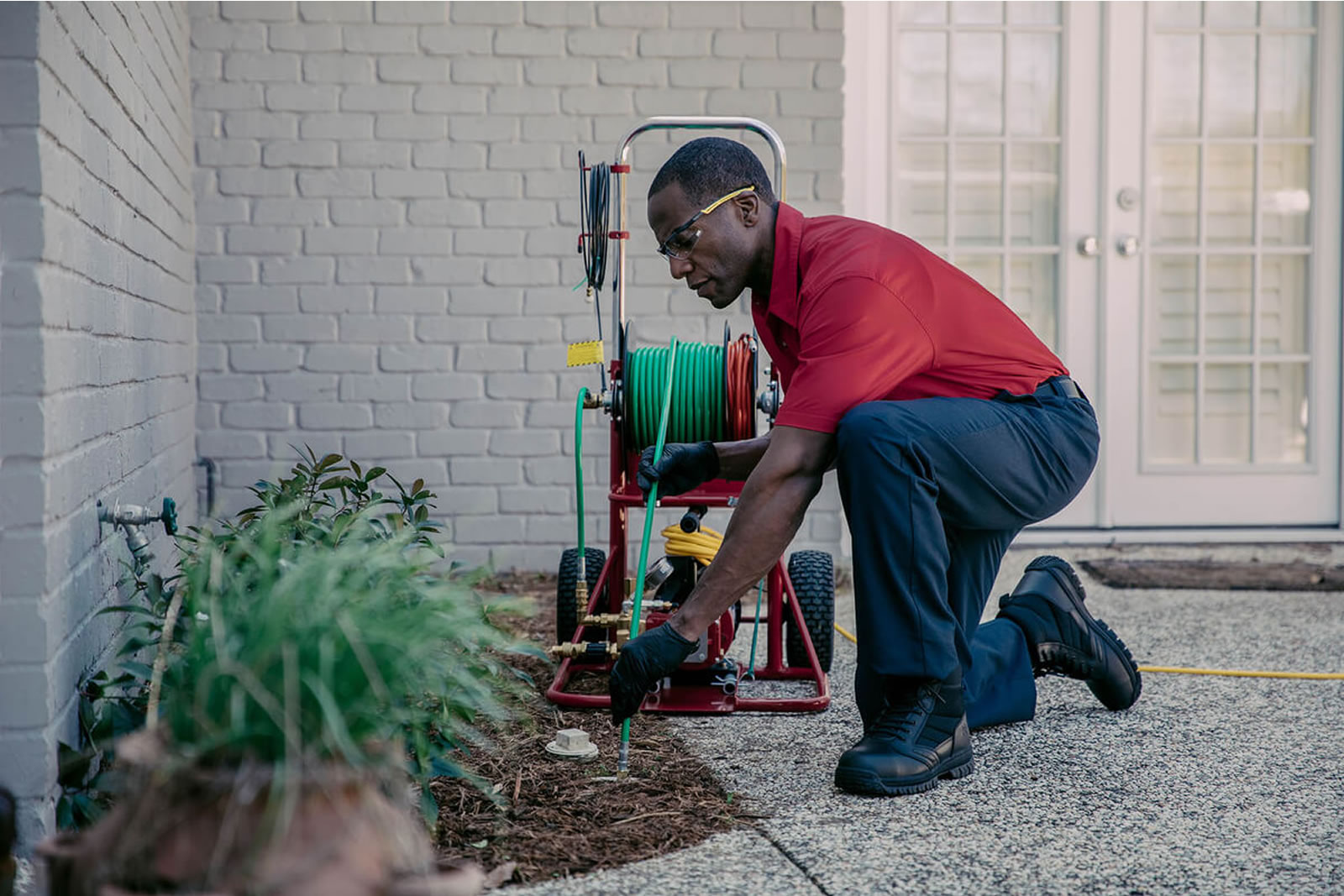

Finding water on your basement floor after a heavy rain can leave you wondering how to keep it from happening again. The right repair depends on where the water is coming from and how it's getting inside. Interior drain tile systems help collect groundwater around the foundation, while exterior waterproofing keeps moisture from seeping through foundation walls. Mr. Rooter Plumbing helps local homeowners fix basement drainage problems and choose the right repairs. We'll explain how each approach works, what installation involves, and what to consider before making a decision.
An interior drain tile system collects groundwater along the inside perimeter of a basement foundation. Despite the name, modern drain tile typically consists of perforated plastic piping installed beneath the basement floor. The system intercepts water that collects near the foundation footing and directs it toward a sump basin or another approved discharge point.
To install the system, workers first cut away a narrow section of concrete along the basement walls. They dig a trench near the footing and lay perforated drainage pipe over a layer of washed stone. The pipe is then connected to the collection system. Water can move through the gaps between the stones and into the pipe. After everything is in place, workers pour new concrete over the trench, leaving the drainage system underneath the floor.
Small holes along the pipe allow groundwater to enter and flow toward the sump basin. Once the basin fills to a certain level, the sump pump switches on and sends the water through a separate discharge line to an approved spot outside. The idea is to keep water from building up beneath the basement floor and around the foundation. Where that discharge line ends is important, too. If it empties too close to the house, the water could eventually find its way right back.
Exterior waterproofing helps keep groundwater from seeping through foundation walls. Contractors begin by digging out the soil alongside the house to expose the foundation, usually down to the footing. With the wall exposed, they can check for cracks or damage, make any necessary repairs, and prepare the surface for a waterproof membrane or coating.
Waterproofing and damp-proofing aren't quite the same thing. Damp-proofing helps keep moisture from passing through foundation walls, but it might not hold up against water that's pushing against the wall under hydrostatic pressure. Waterproofing membranes are made to provide a stronger barrier against that kind of water intrusion. Some systems also include drainage boards that help move groundwater down toward the footing instead of letting it sit against the foundation.
Exterior waterproofing requires careful attention to wall penetrations, seams, corners, and transitions between construction materials. A gap around a utility pipe or an improperly sealed membrane joint provides a possible route for water. Contractors must also protect the waterproof barrier during backfilling because sharp stones and construction equipment might damage the membrane. For homeowners considering extensive foundation work, the quality of these details matters as much as the material.
Where water shows up in your basement offers clues about how it's getting inside. A puddle near the wall might come from the joint where the floor meets the foundation, a crack farther up the wall, or water traveling through hollow concrete blocks. Once you know where the moisture is entering, it's easier to decide whether interior drainage, exterior waterproofing, or another repair makes sense.
Interior drain tile systems collect groundwater beneath the basement floor and around the foundation footing. Wall drainage systems can also channel water into these drains, although moisture may still reach the foundation walls and finished surfaces. Exterior waterproofing helps stop water from seeping through buried foundation walls by sealing the outside surface and adding drainage to carry water away. This may be a good option for finished basements with recurring moisture problems. Other situations call for different repairs, including the following:
Installing interior drainage means workers need enough room along the basement walls to cut through the concrete floor. That can get tricky in a finished basement, where flooring, cabinets, built-ins, and the bottoms of finished walls may be in the way. Breaking up concrete is also noisy and dusty, and all that broken material has to be hauled out. If the project includes a sump pump, workers will also need to arrange for electrical power and install a line to carry the water outside.
Exterior excavation affects the ground surrounding the home. Patios, walkways, decks, steps, shrubs, and utility connections might obstruct access to the foundation. Workers need room for excavation equipment, soil storage, and the installation of materials. On properties with narrow side yards or closely spaced neighboring houses, access restrictions make the project more complicated.
There's also the yard to think about once the work is finished. Contractors need to put the excavated soil back and compact it properly. You may also have torn-up grass, damaged planting beds, or sections of hardscaping that need repairs. Before signing a contract, ask exactly how much of that cleanup and restoration is included. Don't assume the yard will look the same as it did before the digging started.
Interior drainage generally involves less excavation and site restoration than a complete exterior waterproofing installation. That frequently makes it the less expensive initial option, especially when the basement is unfinished and workers have clear access to the perimeter. However, finished walls, difficult concrete removal, and extensive sump discharge piping increase labor and material requirements.

Exterior waterproofing usually costs more upfront because there's a lot more digging involved. Contractors have to uncover the foundation walls, clean and prepare them, apply the materials, and fill the trenches back in. If patios have to come out or landscaping needs to be replaced, those expenses add up. The final price also depends on how deep the foundation is, what the soil is like, how easily workers can reach the walls, and whether the foundation needs repairs.
Exterior waterproofing is a little different because the membrane is buried once the job is done. There's no pump to test unless the drainage system uses one, but getting to a damaged membrane usually means digging it back up. The footing drains still need somewhere to send the water, and problems like shifting soil, roots, or sediment can eventually interfere with flow.
If you're dealing with water in your Youngstown basement, Mr. Rooter Plumbing can check for leaking pipes, sump drainage issues, and other plumbing problems that may be responsible. A plumbing repair service can help you understand where the water is coming from before spending money on foundation repairs. Contact us today to schedule an evaluation and discuss your repair options.

Are you a Youngstown resident renovating your house or business to add a new bathroom or perhaps a refrigerator in your basement? A water line installation will be one of the most important parts of the project, so be sure to vet your…
Tired of being hit with that surprise shock of cold water in the shower before it finally heats up? Hot water is a luxury we can take for granted until it runs out, especially on the cold days of winter. Standard storage water…