

Emergency Local Plumbers in Youngstown, OH and nearby cities
Emergency Local Plumbers in Youngstown, OH and nearby cities
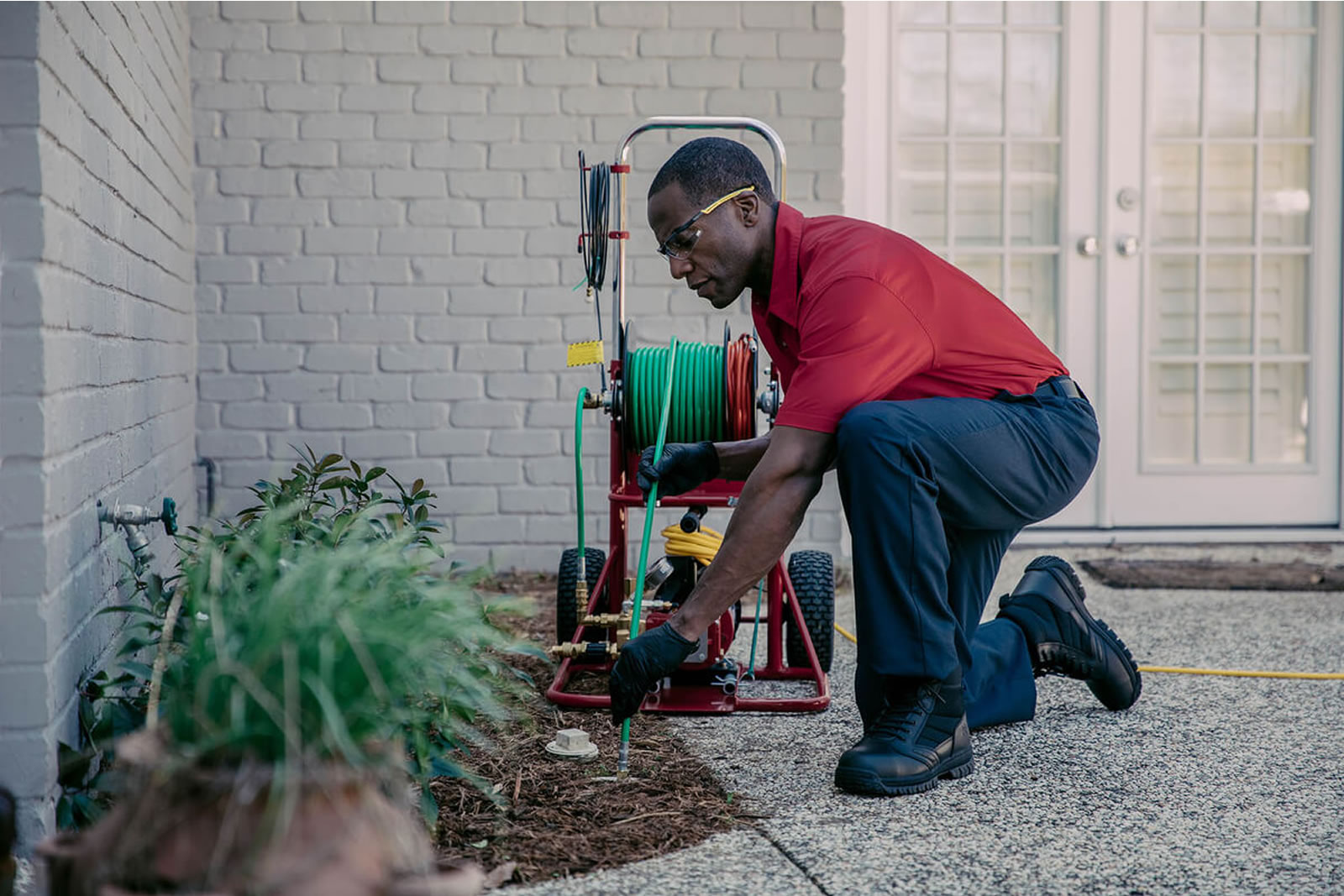

Your pipes shouldn’t sound like someone is knocking inside the walls every time you shut off a faucet. Banging, whistling, hissing, and other unfamiliar noises can develop from changes in water pressure, loose components, restricted flow, or problems within the piping. A plumbing repair service from Mr. Rooter Plumbing can identify where the sounds are coming from and determine if you need an adjustment, repair, or broken pipe replacement. Keep reading to learn what different pipe noises mean and when to call a licensed plumber.
If you hear a hard bang right after shutting off a faucet, the noise might be water hammer. Water is moving through the supply line with quite a bit of force. When a valve closes quickly, the flow stops suddenly. The change in pressure makes the pipes jump or knock against nearby framing.
You might notice it most when the washing machine or dishwasher stops filling because those appliances use valves that close quickly. The same thing can happen at a faucet, though. If the banging shows up at several fixtures, water pressure may be part of the problem. If it happens only when one appliance runs, the issue is more likely tied to that part of the system.
Pay attention to when the banging happens and what was running just before it started. A single knock after the washer fills may come from a sudden change in water flow. Banging that happens throughout the day can be related to loose pipes, high water pressure, or a worn water-hammer arrestor.
A whistle usually means water is being pushed through an opening that has become too narrow. A faucet that whistles while every other fixture stays quiet probably has a problem close to it. If several fixtures do it, the restriction could be farther back in the supply system. Possible causes include:
Hard-water deposits make this more common. Minerals collect in small openings first, so a faucet can start whistling before you notice much of a difference in the amount of water coming out.
Hissing is harder to place because water doesn't need a large opening to make noise. A pinhole leak in a pressurized supply line can create a faint spray inside a wall, floor, or ceiling. You’ll probably hear it before you see any water at all.
The water also doesn't always show up beneath a damaged pipe. Many times, it runs along framing, follows the outside of a pipe, or collects behind drywall before a stain shows up. It makes the sound seem like it's coming from the wrong spot.
Toilet fill valves can also hiss, and worn shutoff or pressure-reducing valves can make similar sounds. If everything in the house is turned off and the hissing continues, check the water meter if you can. Movement there can be another clue that water’s going somewhere it shouldn't.
If the pipe is damaged, the repair depends on what the technician finds. One isolated defect may only need a small section repaired. If the piping is badly corroded or cracked across a larger area, a broken pipe replacement makes more sense than patching one weak spot after another.
Rattling usually sounds different from water hammer. Instead of one hard bang, you hear tapping or vibration while water is running. In many cases, the pipe has enough room to move and is touching wood, drywall, ductwork, or another pipe.
Pipes are held in place with straps, clips, and other supports. If one loosens, normal water flow makes the line move more than it should. You may hear nothing when a bathroom sink is running, but hear a rattle when someone takes a shower, or the washing machine fills, because more water is moving through the pipe.
Tightening every clamp won’t necessarily solve the problem. Pipes shift slightly as hot and cold water changes their temperature. They need enough support to keep them from hitting framing or nearby surfaces, along with a little room for normal movement.
Gurgling usually comes from the drain side of the plumbing rather than the pressurized water lines. Drains rely on air entering the system as wastewater moves through the pipes. If airflow is restricted, pressure changes pull air through a sink, tub, shower, or toilet trap instead. The movement creates the bubbling or gurgling sound you hear at the fixture.
Vent problems develop when leaves, debris, animal nests, ice, or other material blocks a roof vent. A poorly configured or damaged vent can cause similar trouble by limiting the amount of air available to the drain system. Partial clogs exacerbate the problem by slowing the flow of water through the pipe. A professional plumber in Austintown, OH can inspect the drain and vent system to determine whether the noise is due to restricted airflow, buildup inside the pipe, or a combination of both.
Light clicking or ticking after someone turns on hot water can be completely different from a leak or loose pipe. Hot water warms the pipe, and the pipe expands a little. As it cools, it contracts again.
If the line passes through a tight hole in a joist or rests against framing, it can create a ticking sound inside the wall. You’ll probably hear it start shortly after a shower begins and then hear it again as the plumbing cools down. This kind of noise usually shows up with hot-water use, then fades. If you schedule a plumbing repair service about a ticking sound, noting when it happens can save a lot of guesswork.

Every house has a few plumbing noises its owner gets used to. What needs attention is a sound that suddenly appears, gets louder, happens more frequently, or starts showing up in a different part of the house. Keep an eye out for:
An experienced plumber can compare the sound with water pressure, fixture use, visible piping, valves, and drain behavior to figure out what part of the system needs attention. The repair could be as simple as securing a loose pipe or replacing a worn valve, or it could involve leak repair or a broken pipe replacement.
If the plumbing noises in your home are new, persistent, or accompanied by leaking, pressure changes, or drainage trouble, call Mr. Rooter Plumbing. Our team can provide a reliable plumbing repair service to find the source and complete the right repair.
Water damage can be costly to repair. Rotting wood, mold, mildew, and rust are just some of the results of water damage, but they can be avoided. Aside from proper control and maintenance of water pipes and sinks, waterproofing is a great way…
Are you concerned about the condition of your pipes? There's no reason to put your home or business at risk. At Mr. Rooter Plumbing of Youngstown, we are proud to offer a wide variety of commercial and residential plumbing services including broken pipe…