
Emergency Local Plumbers in Youngstown, OH and nearby cities
Emergency Local Plumbers in Youngstown, OH and nearby cities
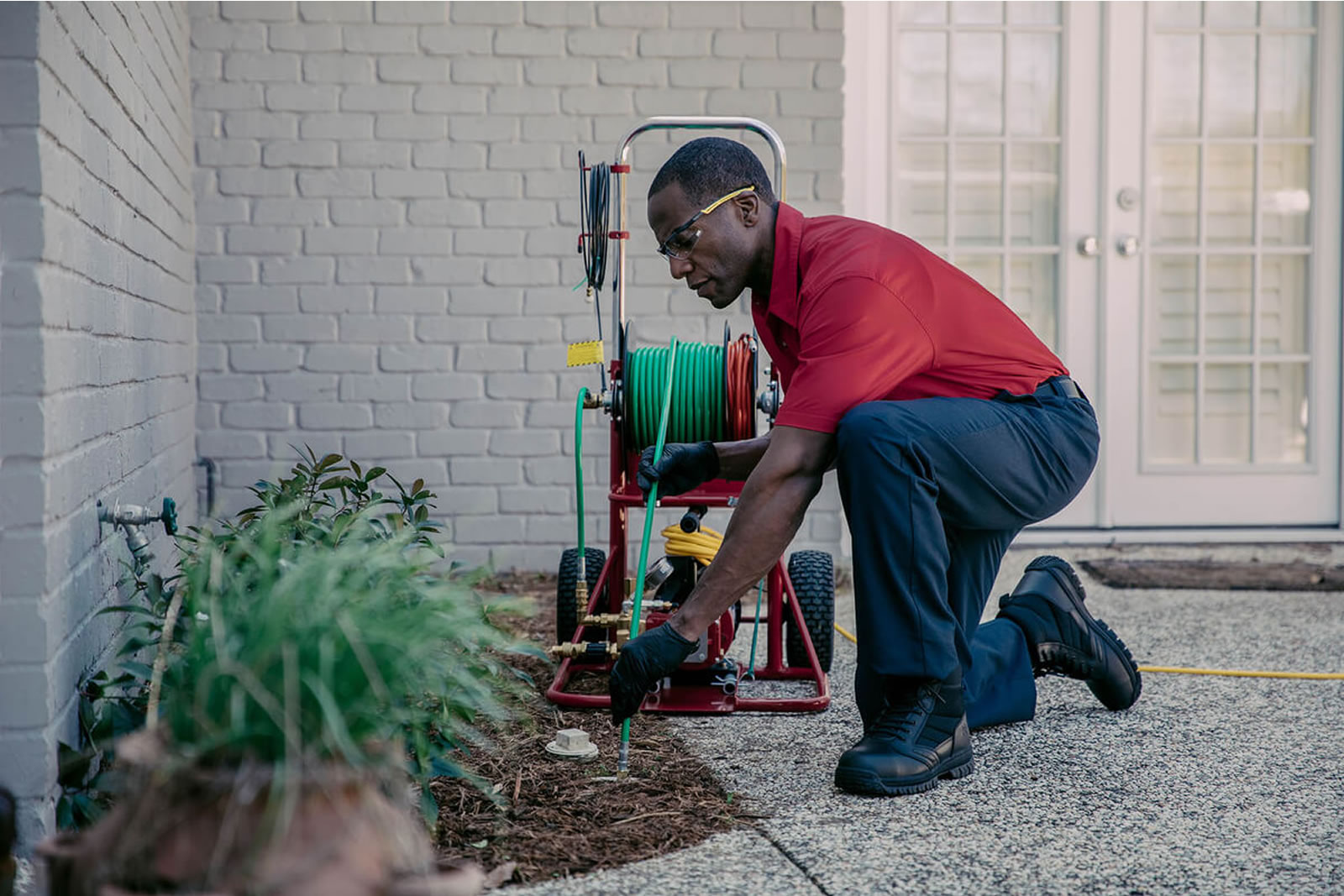

A new gas range, fireplace, outdoor kitchen, or other gas-powered feature may require changes to the home's gas piping. The line has to reach the installation area and provide enough capacity for the additional demand. Mr. Rooter Plumbing provides gas line installation for homeowners adding or relocating gas appliances. Before work begins, a professional plumber can check the existing piping, plan the route, and determine what the new appliance will require.
A kitchen remodel sometimes changes more than cabinets and countertops. Homeowners who switch from an electric range to a gas model need a fuel connection at the appliance location. If the kitchen doesn’t already have suitable gas piping, the project requires a new branch line or an extension from the existing system.
The path to the kitchen will depend on the layout of the house. In some homes, a professional can run the line through a crawl space, basement, attic, utility area, or an accessible wall cavity. Finished rooms can limit those options, especially when the kitchen sits some distance from the existing gas piping. Working out the route before new cabinets, flooring, or wall finishes are installed can keep completed areas from having to be opened again.
The appliance matters too. A large range with several burners may require a different gas supply than a basic cooktop. The technician has to account for the new appliance along with the furnace, water heater, fireplace, or other equipment already using gas in the home. Appliance demand, pipe length, and the existing system all factor into choosing the appropriate pipe size.
Homeowners planning a kitchen conversion should involve a professional before ordering equipment based solely on dimensions and appearance. A plumbing repair service can inspect the existing piping and determine what work the new appliance requires. If an extension is needed, gas line installation in Starrs Corners should be planned alongside the rest of the kitchen project rather than treated as a last-minute connection.
A new fireplace changes how a living room, bedroom, or family room is used, especially during colder months. Gas models provide flame without the wood storage, ash cleanup, and fire-building routine that comes with a traditional wood-burning fireplace. They still need a dependable fuel supply in the right location.
Where the fireplace will sit can determine how complicated the gas line route becomes. A unit along an exterior wall may offer a fairly direct path, while one in the middle of the house could require piping through framing or other finished areas. The plumber will need to work around electrical lines, plumbing, structural components, and any installation requirements for the fireplace.
The model being installed also affects the gas supply. Fireplaces have specific input ratings, and the new connection has to deliver enough fuel while the furnace, water heater, range, dryer, and other gas appliances continue operating normally. The nearest gas pipe isn't necessarily the right connection point if that part of the system can't handle the additional demand.
Outdoor kitchens have moved well beyond a freestanding grill on the patio. Built-in grills, side burners, pizza ovens, fire features, and other gas-powered equipment turn the backyard into another cooking and gathering area. These appliances need fuel, and carrying propane cylinders back and forth isn’t always the setup a homeowner wants.
The farther an outdoor kitchen sits from the house, the more ground the gas line may have to cover. Its route could pass beneath a yard, patio, or landscaped area before reaching the cooking space. Planning that path early can prevent finished paving, planting, or built-in cabinets from having to be disturbed later when the gas piping is installed.
Think about the entire outdoor kitchen rather than one appliance at a time. A homeowner might begin with a built-in grill and later add a side burner or another gas feature. The initial plan should account for the equipment that will connect to the line and the total demand expected from the outdoor space. Adding appliances later sometimes requires another evaluation of line capacity.
Before the patio is finished, a plumber can review the proposed appliance locations and available route. Coordinating the utility work with masonry, landscaping, and cabinet installation gives each trade the information it needs. A plumbing repair service also provides a useful starting point when an existing outdoor gas connection needs inspection before new equipment is added.
Utility upgrades tend to happen out of sight, but they still affect the way the household functions every day. Switching an electric water heater to a gas model, adding a gas dryer, or moving gas-powered equipment to another part of the house changes what the fuel system needs to serve.
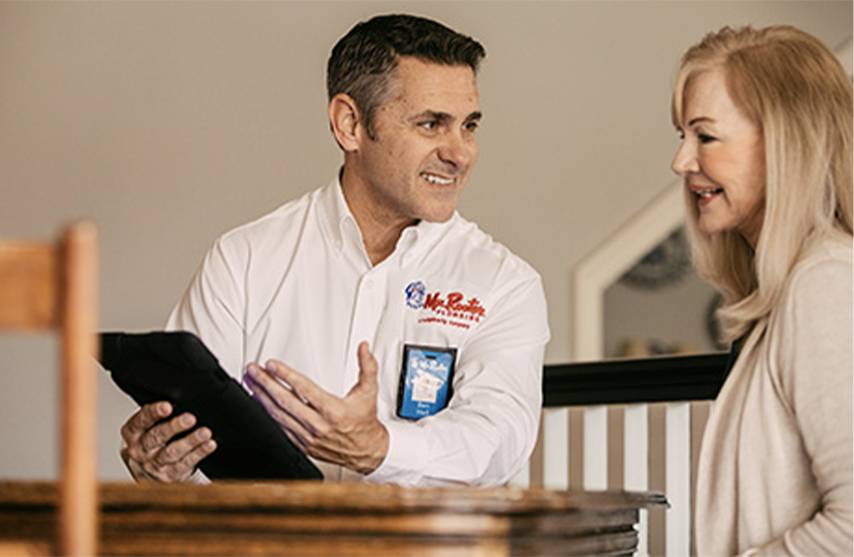
A water heater relocation is a good example. Moving the unit across a basement or into a different utility space means the existing gas connection may no longer reach the appliance location. The project also involves other requirements tied to the specific equipment, including water connections and appropriate venting for combustion appliances.
Converting another appliance to gas adds to the demand already placed on the home's gas lines. A house using gas for the furnace, water heater, and range, for example, has to supply those appliances along with the new one. The plumber can calculate the combined demand and check whether the existing pipe sizes are adequate. If they aren't, fuel delivery can suffer when several appliances are operating at the same time.
If you're adding a gas-powered appliance or extending service to a new part of the property, contact Mr. Rooter Plumbing to schedule service. Our plumbers can evaluate the existing piping, determine what the new appliance requires, and provide a gas line installation for the new connection.
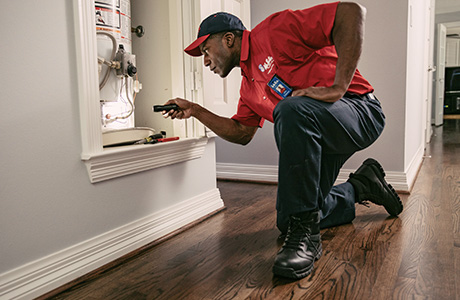
Tired of being hit with that surprise shock of cold water in the shower before it finally heats up? Hot water is a luxury we can take for granted until it runs out, especially on the cold days of winter. Standard storage water…
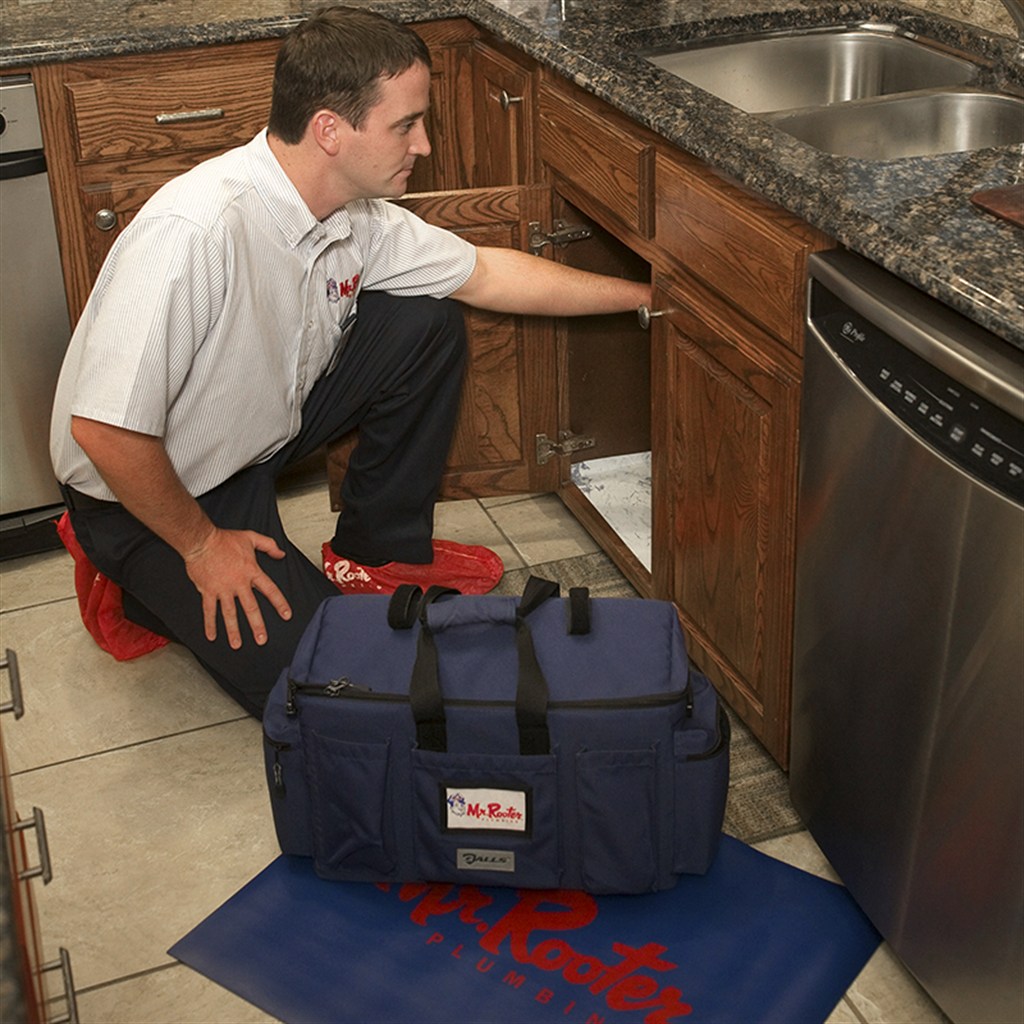
Kitchen plumbing in Youngstown is especially sensitive considering the kitchen is where we prepare and eat food. This is why you should be mindful of the plumbing system and look out for leaks and sniff for odd smells coming from drains. For reliable…