

Emergency Local Plumbers in Youngstown, OH and nearby cities
Emergency Local Plumbers in Youngstown, OH and nearby cities
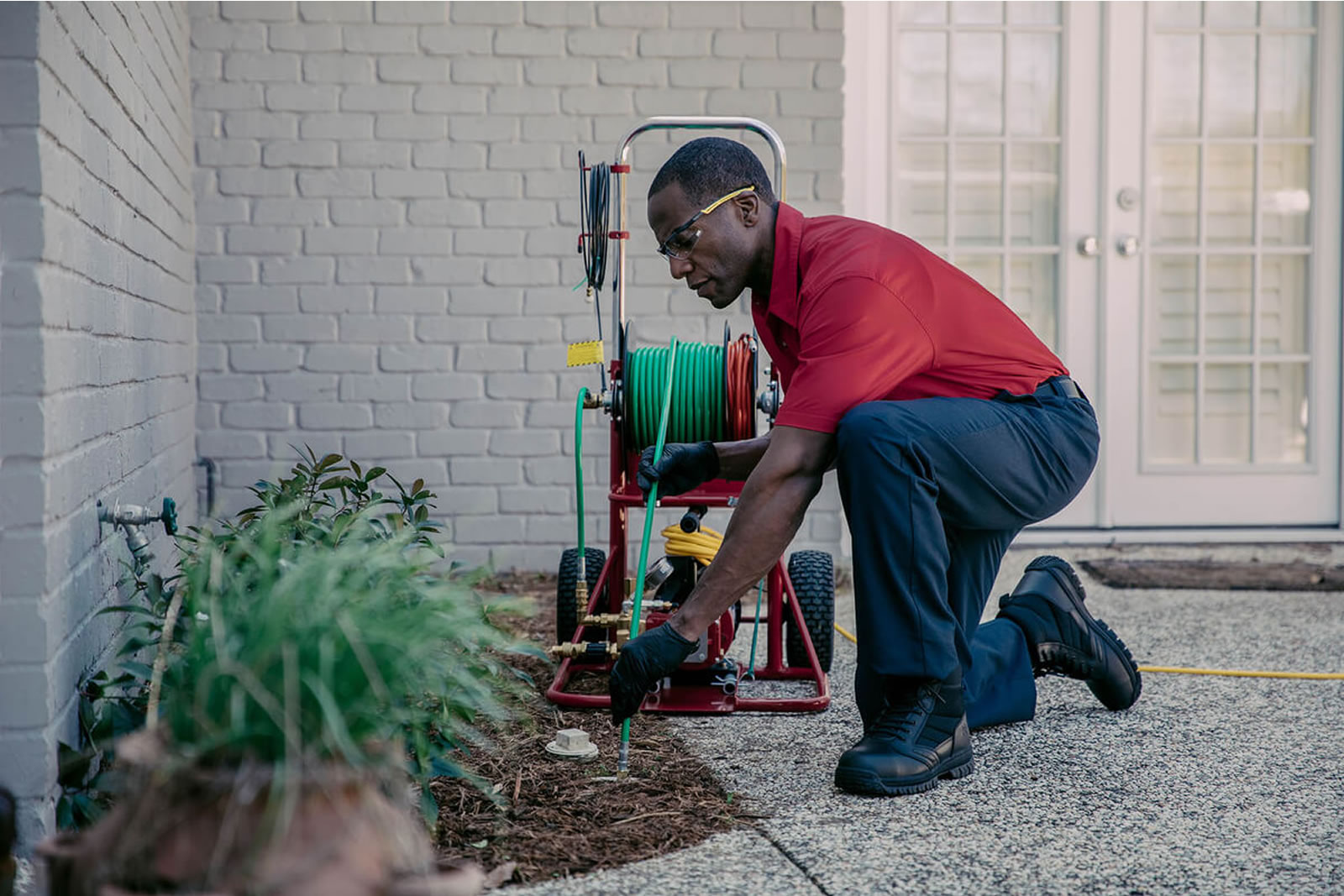

Even if you're careful about what goes down the kitchen sink, some everyday habits can still leave you dealing with clogged drains. Soap residue, loose hair, and small food scraps can collect inside the pipes until water starts draining slowly or stops altogether. Mr. Rooter Plumbing helps homeowners find the cause of these blockages and take care of them before they lead to bigger plumbing problems. Some clogs are preventable, but others call for professional drain cleaning or a plumbing repair service. Here are a few causes of clogged drains you might not expect and how to avoid them.
Hair gets most of the blame for clogged bathroom drains, but soap contributes to the problem, too. Traditional bar soaps contain fatty acids that react with minerals such as calcium and magnesium in hard water. This reaction creates soap scum, the sticky residue you might notice on shower doors or around faucets. The same material also collects inside drainpipes.
The sticky soap residue builds up along the inside of your pipes, where it catches loose hair, dirt, and anything else that washes down. Eventually, the buildup leaves less room for water to get through. You may notice the shower draining more slowly or water lingering in the bathroom sink after you've finished washing your hands.
Switching to liquid body wash may cut down on traditional soap scum, since many formulas don't contain the same fatty acids as bar soap. However, oils and other ingredients can still leave deposits behind. You'll still need to keep hair out of the drain as much as possible.
A simple mesh drain screen can catch much of the hair before it disappears into the pipes. Clean it out after each shower, and pull away any buildup you can see around the drain opening. You can also use a plastic hair-removal tool to reach material just below the surface. When the clog is farther down the pipe, professional drain cleaning in Columbiana may be needed to clear it completely.
Coffee grounds are small, but that doesn't mean they belong in your sink. They don't dissolve in water, and some can settle in the bends of your drainpipes. If there's already a coating of grease inside, the grounds can stick to it and pile up over time. Eventually, enough of that material can collect to slow the drain.
Leftover rice, pasta, and potatoes are another problem. They absorb water and can swell after going down the sink. The starch also leaves a pasty residue that sticks to greasy pipes. Your garbage disposal won't necessarily help, either. It breaks the food into smaller bits, but those bits still have to make their way through the drainpipes.
Cooking oils and grease present another challenge. Hot grease pours easily, but it thickens or solidifies as it cools. When it coats the inside of a drainpipe, food particles collect against it and gradually restrict the opening. Running hot water afterward won't solve the problem because the grease eventually cools farther along the line.
Keep coffee grounds, starchy leftovers, and grease out of the sink whenever possible. Scrape food scraps into the trash or a suitable compost bin before washing dishes. Let cooking grease cool in a container, then throw it away. If your sink is still draining slowly, a plumber in Youngstown, OH can check whether something is stuck in the trap or farther down the line.
Toilet paper is made to break apart after flushing, but many wipes don't fall apart nearly as easily. That includes some products sold as flushable. The fibers may stay together long enough to snag on rough spots inside the pipes or catch on material that's already there.
Once a wipe gets stuck, other waste may start collecting around it. More wipes can become tangled together, eventually forming a blockage. This might happen in the drainpipe under your home or farther along in the sewer line. Seeing a wipe disappear when you flush doesn't mean it made it through the plumbing without causing trouble.
Other bathroom products can be just as troublesome. Cotton swabs stay intact, dental floss can tangle around waste, and paper towels are designed to hold together when wet. Feminine hygiene products can swell as they absorb water. None of these items should go down the toilet.
Keep a covered trash can in the bathroom for wipes and other products, and flush only toilet paper and human waste. If you're constantly reaching for the plunger, there may be a blockage farther down the line. Avoid using chemical drain cleaners in the toilet, since many aren't intended for that purpose and could make repairs more hazardous. A reliable plumber in Lisbon, OH can find out what's causing the backups.
Every time you wash clothes, tiny fibers come loose from the fabric and wash away with the dirty water. Towels, bedding, and clothing all shed lint, and pet hair or loose threads may end up in the drain as well. Much of it passes through without trouble, but some can catch on rough spots or existing buildup inside the pipes.
Using extra detergent won't necessarily get your clothes any cleaner. In fact, too much can leave residue inside the washer and its drain connections. That leftover detergent may mix with fabric softener, body oils, and dirt from your laundry, adding to the buildup.
The trouble often shows up when your washer starts draining. Washing machines release a lot of water in a short period, and a partly blocked standpipe may not be able to handle it. You might notice water spilling out around the drain hose even though everything seems fine during the wash cycle.
Too much laundry detergent can leave residue that builds up in the drain. Stick to the recommended amount for your load and check the washer's manual to see if there's a filter you should clean. A lint catcher might also be useful, depending on how your drain is set up. If water starts overflowing from the standpipe when the washer drains, schedule a plumbing repair service to check for a clog in the trap or drain line.
Not every clog starts inside your house. Tree roots can find their way into underground sewer pipes through small cracks or loose joints. They're drawn to the moisture leaking from the pipe, and once they reach that water source, they may continue growing inside.
One clue is having trouble with more than one drain. For instance, flushing a toilet upstairs might cause wastewater to come up through a basement floor drain. If you've already had the sewer line cleared and the same problem keeps returning, there's a good chance something farther down needs attention.
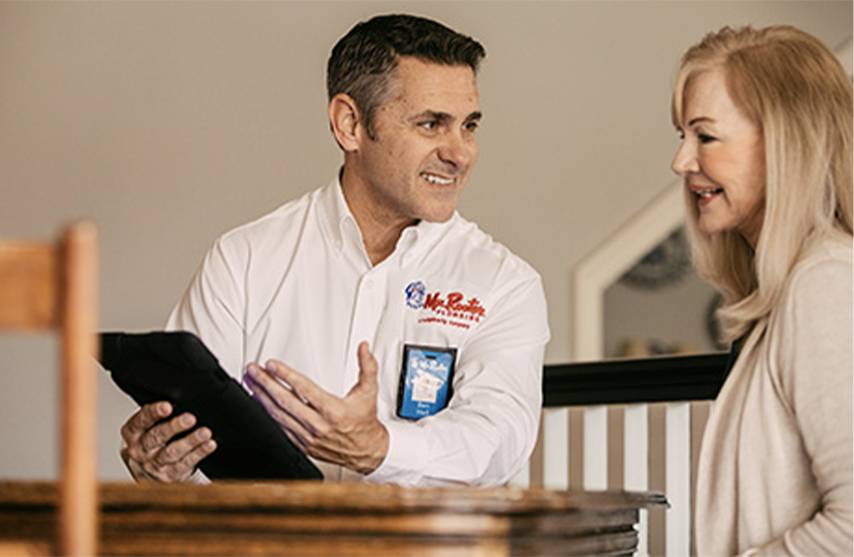
A sewer camera inspection can show your plumber what's happening inside the line without digging up the yard. If roots have grown through a crack or loose joint, cutting them away may get the sewage moving again. However, they'll have an opportunity to grow back unless the damaged pipe is repaired or replaced.
When several drains back up at once, stop running water and using the toilets until someone checks the line. Otherwise, you're sending more wastewater toward a blockage that may already be close to overflowing into your home.
Mr. Rooter Plumbing helps homeowners in Youngstown, OH, with professional drain cleaning and other plumbing repairs. If you're dealing with a stubborn clog or a drain that keeps backing up, contact us to schedule a visit. Our experienced plumbers can find out what's causing the problem, explain what needs to be done, and help you decide if a plumbing repair service is needed.
Since sump pumps are often hidden away in the basement, it can be easy for homeowners to neglect them. However, failing to maintain a sump pump can have disastrous consequences if flooding ever occurs. It's for this reason that homeowners should always prioritize…
Plumbers for Emergency Plumbing A plumbing disaster can strike at any time of the day or night! Fortunately, the professionals and your friends at Mr. Rooter Plumbing are readily available to handle these emergencies 24 hours a day, every day. We believe that…