
Emergency Local Plumbers in Youngstown, OH and nearby cities
Emergency Local Plumbers in Youngstown, OH and nearby cities
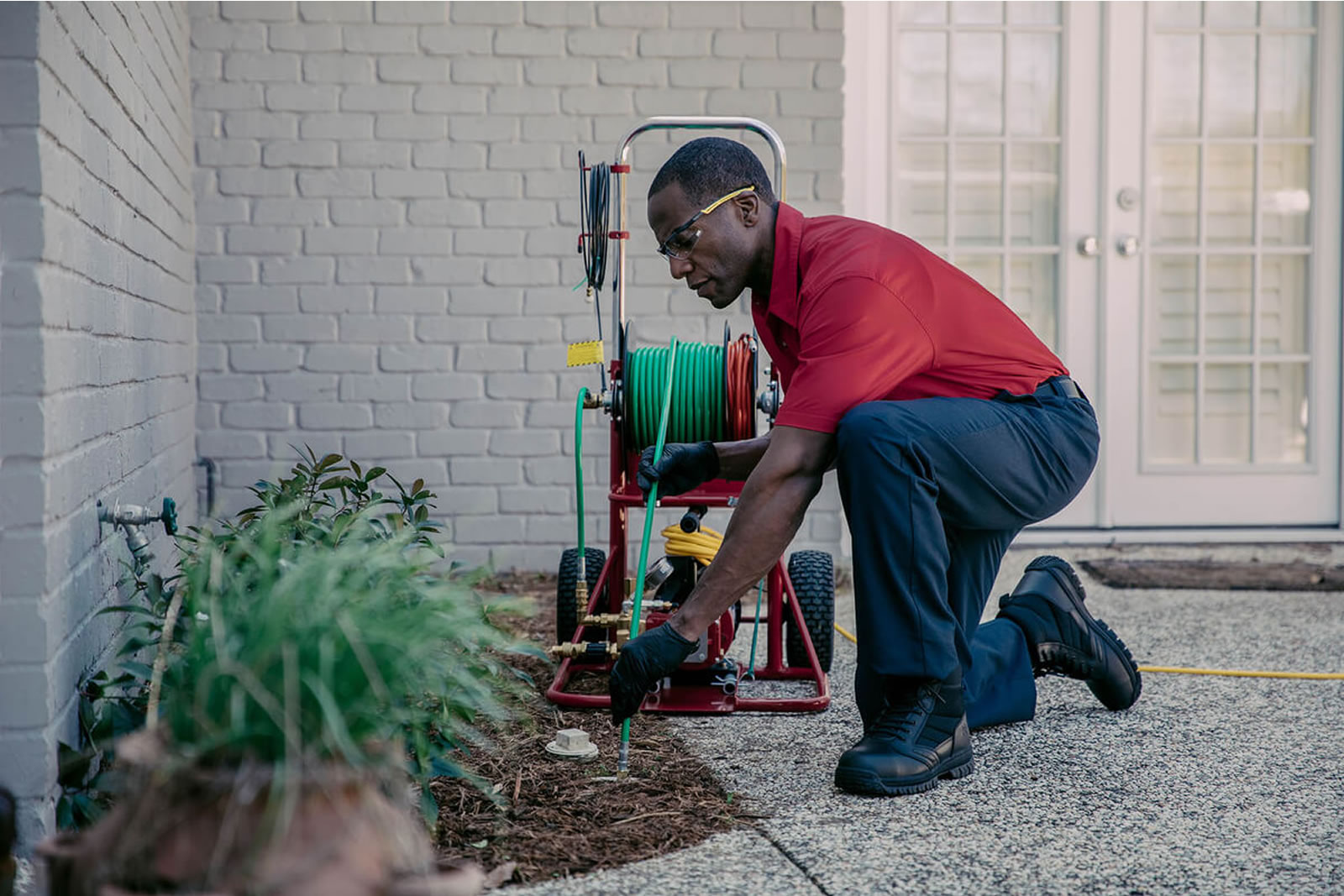

A new gas appliance can put more demand on your home’s fuel system than the existing piping was designed to handle. Tankless water heaters, larger ranges, and other high-BTU appliances may need a bigger supply line or a different piping layout to get the fuel they require. Mr. Rooter Plumbing can evaluate the current system and determine whether a new gas line installation or an expansion is needed before the appliance goes into service. Read more and learn what affects gas line capacity and why appliance upgrades sometimes require changes behind the walls.
Every gas appliance has an input rating that tells you how much fuel it requires when operating at full capacity. This figure is usually listed in BTUs per hour on the appliance data plate or in the manufacturer’s installation instructions. A standard cooking appliance and a high-output professional-style range can have very different requirements. Tankless water heaters can place an even greater demand on the fuel system because they need to heat water quickly as it passes through the unit.
The piping has to deliver enough gas to meet that demand while maintaining the pressure required by the manufacturer. Just because a replacement appliance uses the same fuel and connects in the same place doesn’t mean the existing line can handle it. The new unit may use considerably more gas than the appliance that was there before.
This is especially relevant with tankless water heaters. A conventional storage water heater heats a tank of water and cycles its burner as needed. A tankless unit has to produce a large amount of heat when a faucet or shower calls for hot water. Its burner input can therefore be much higher than the equipment it replaces. Before scheduling a gas line installation, an experienced plumber in Grove City, PA can compare the appliance rating with the available fuel supply and existing piping.
Gas pipe sizing isn’t based only on the diameter of the connection at the appliance. The size of each section of piping determines how much gas it can deliver across a given distance. A pipe that works for a lower-BTU appliance may not carry enough fuel for a larger replacement, even though the fittings appear compatible.
Several other factors come into play, including the type of gas, available pressure, piping material, pipe length, and system layout. Gas loses some pressure as it travels through the line because of friction. A longer run may need more capacity than a shorter run serving the same appliance, and fittings, branches, and turns can add resistance as well.
Pipe sizing tables and fuel-load calculations give an experienced plumber a way to determine whether the current piping is adequate. This type of evaluation is different from a basic plumbing repair service because the question isn’t simply whether a pipe leaks or a valve works. The entire fuel-delivery path has to support the new load.
The new appliance isn’t the only part of the calculation. Furnaces, boilers, dryers, fireplaces, water heaters, ranges, and other gas-fired equipment may share portions of the same supply piping. The line feeding several branches has to support the combined demand placed on that section of the system.
Say a furnace and water heater already share the same main gas line installation. Replacing the water heater with a high-BTU tankless model raises the possible demand on that shared section. If the furnace turns on while the water heater is firing at a high rate, the line has to supply both appliances at once. Looking only at the new water heater wouldn’t account for the full load on the piping.
The same problem can come up when a homeowner adds a gas appliance rather than replacing one. A new gas range, outdoor kitchen, fireplace, or garage heater increases the total demand on the system. The individual branches near each appliance may be large enough, while the main line feeding them is still too small for the combined load.
This is why evaluating a gas system requires more than measuring the pipe next to the new appliance. A plumbing repair service that handles fuel piping work may need to trace branches back toward the meter and identify every appliance supplied by the affected sections. That provides a clearer view of where additional capacity is required.
Distance matters more when the new appliance is located a long way from the gas meter or regulator. Gas pressure drops as fuel travels through the piping, so a longer run creates more resistance for the system to account for when the pipe size is calculated.
Gas lines usually don’t travel in a straight path from the meter to the appliance. They may pass through a basement, crawl space, utility room, attic, or wall cavity along the way. Sizing is based on the developed length of that route, not simply the straight-line distance from one side of the house to the other.
A proposed appliance location can therefore influence project cost and complexity. Moving a high-demand appliance closer to an existing high-capacity branch might reduce the amount of piping that needs replacement. In other situations, a dedicated branch provides a better solution. A qualified plumbing repair service can examine the existing layout before installation work begins and identify which approach fits the system.
A gas supply problem doesn’t necessarily mean all of the piping in the house has to be replaced. The work depends on where the system runs short on capacity. The main supply line may need to be enlarged, or a new branch may be enough to serve the appliance without changing sections that aren’t affected.

A dedicated branch may make sense when a high-BTU appliance sits some distance from an existing branch or when several appliances already share the current line. The new line gives the appliance a properly sized fuel path instead of adding its demand to a section that is already close to its calculated capacity. The route still has to comply with applicable codes and installation requirements.
Other projects require changes closer to the meter. If the main piping can’t support the total connected load, adding a larger branch downstream won’t solve the restriction upstream. The supply has to provide adequate capacity through each section that carries the combined demand. Depending on the property and local requirements, the gas utility may also need to evaluate meter or regulator capacity when the total household load increases substantially.
Mr. Rooter Plumbing can help determine if your project requires an expanded line or a new branch. Contact our team to have your system evaluated before your new appliance goes into service. You’ll get guidance based on the existing piping and the demands of the equipment you plan to install.
Water damage can be costly to repair. Rotting wood, mold, mildew, and rust are just some of the results of water damage, but they can be avoided. Aside from proper control and maintenance of water pipes and sinks, waterproofing is a great way…
Plumbers for Emergency Plumbing A plumbing disaster can strike at any time of the day or night! Fortunately, the professionals and your friends at Mr. Rooter Plumbing are readily available to handle these emergencies 24 hours a day, every day. We believe that…