

Emergency Local Plumbers in Youngstown, OH and nearby cities
Emergency Local Plumbers in Youngstown, OH and nearby cities
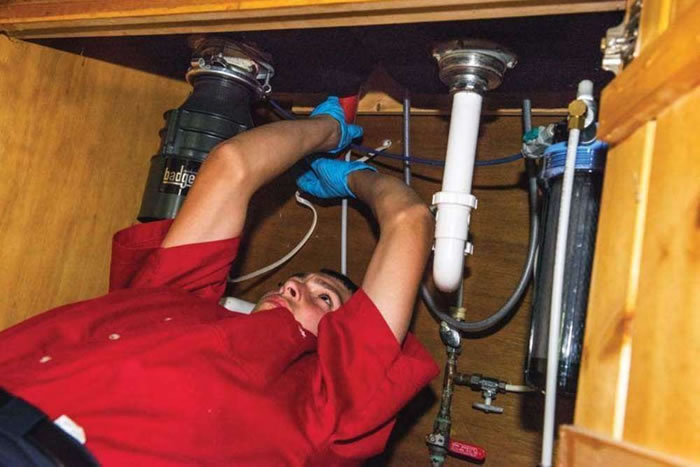
A garbage disposal looks like a simple plumbing upgrade, but the electrical side of the installation is just as important as the drain connections. Improper wiring or unsupported circuits can create safety risks under the sink. Mr. Rooter Plumbing can help. Before adding a disposal, it's important to understand how power supply, switches, and protection devices come into play. If you want to avoid tripped breakers, overheating wires, or future service calls, keep reading.
Most garbage disposals work best on a dedicated circuit. That means the disposal gets its own breaker in the panel and shares power with nothing else under the sink. Plugging a disposal into a shared circuit alongside a dishwasher or refrigerator invites nuisance tripping and possibly overheated wiring inside the wall.
Some homeowners discover their kitchen was not wired with a dedicated disposal circuit when the house was built. Running a new circuit from the breaker panel to the cabinet under the sink is standard work during a garbage disposal installation, but it does require a licensed electrician to pull the right permits in most jurisdictions. Skipping this step can cause problems during a home inspection or insurance claim down the road.
A dedicated circuit protects the motor, too. Disposals spike in current draw the moment they start up. A shared circuit that is already carrying load from another appliance may not handle the surge without dropping voltage to both devices, which shortens motor life.
Residential disposals run on 120-volt, 60-hertz power in the United States. Most standard units draw between 5 and 8 amps during normal use, but the startup current can briefly hit 15 amps or higher. The startup load is exactly why circuit sizing matters before the unit gets mounted.
Larger disposal models, particularly those with motors rated at 1 horsepower or above, should be wired to a 20-amp circuit using 12-gauge wire. Smaller units with motors under half a horsepower may operate on a 15-amp circuit with 14-gauge wire, but confirming that with the manufacturer's spec sheet is the right move before wiring begins. Installing the wrong gauge wire for the load creates a fire risk that won't show up immediately.
A plumber handling the drain and mounting work will coordinate with the electrical side to make sure the outlet or hardwire connection is in the right location inside the cabinet. If those two trades aren't communicating, you can end up with a power supply that lands in exactly the wrong spot for the drain configuration.
In most areas, GFCI protection is required for garbage disposal outlets. Since garbage disposals mount beneath the sink basin, any outlet powering a cord-and-plug disposal must be GFCI-protected. This applies whether the outlet is newly installed or has been in place for years.
GFCI devices monitor the current flowing through a circuit and cut power in milliseconds if they detect a fault. The response time is fast enough to prevent electrocution. Under a kitchen sink, where water lines, drain pipes, and power all share the same cabinet space, a GFCI device is a code requirement for good reason.
If your existing outlet under the sink lacks GFCI protection, a plumbing repair service that coordinates electrical work will flag this before completing the installation. Replacing a basic outlet with a GFCI outlet or installing a GFCI breaker upstream in the panel are both acceptable solutions, depending on the panel layout and wiring configuration.
Garbage disposals come configured for either hardwired connections or cord-and-plug connections, and the right choice depends on local code and the existing setup in your kitchen. Hardwired units connect to the circuit wiring inside a junction box mounted in the cabinet. Cord-and-plug units use a standard three-prong plug that inserts into a dedicated outlet.
Many manufacturers ship disposals without a power cord installed and expect the installer to wire them directly. Adding a cord-and-plug kit is possible on most models and costs under $20 in parts, but the outlet receiving the cord still needs to meet code. A hardwired installation eliminates the outlet requirement but must include a disconnect switch within sight of the unit per NEC guidelines.
A plumber who's completing a garbage disposal installation will confirm which connection type suits your cabinet layout and local code requirements. Choosing the wrong configuration creates a code violation and can also void the manufacturer's warranty on the unit.
Plumbing and electrical work at the sink overlap. The drain connection, mounting hardware, water supply lines, and power source all compete for space in the same cabinet. When a plumber and an electrician aren't working from the same plan, the result is often a power outlet that's blocked by the P-trap or a junction box that prevents the disposal from mounting flush.

Scheduling both trades to coordinate before the work begins prevents those layout conflicts. The electrical rough-in should position the outlet or junction box at the rear of the cabinet, which is high enough to clear the drain lines and low enough to allow the disposal's power connection to reach without strain on the cord or wires. That placement takes about five minutes to plan and can save hours of rework.
For homeowners who need the plumbing and electrical components taken care of, a plumbing repair service that partners with local electricians simplifies scheduling and accountability. One point of contact for the full project is easier to manage than two separate contractors who have never spoken.
Garbage disposal installation involves electrical considerations that go beyond plugging something in. Getting the details right from the start prevents service calls, code violations, and safety hazards. Mr. Rooter Plumbing provides the plumbing side of disposal installations and works alongside qualified electricians to make sure the full project meets code. Our team has the experience to check your existing setup, identify what needs upgrading, and complete the installation correctly. Call us today to schedule your service.

Improperly installed plumbing can significantly damage your property and expose you to health hazards, which is why it is important to choose a trusted and reliable expert for your Youngstown plumbing service and plumbing repair. Stop searching the internet for plumbing services near…
Repiping is a natural part of home ownership. Over time, pipes begin to wear down and corrode until, eventually, they cannot perform their function. If you are experiencing frequent and extensive plumbing issues, it may be time to consider a fresh plumbing pipe…