
Emergency Local Plumbers in Youngstown, OH and nearby cities
Emergency Local Plumbers in Youngstown, OH and nearby cities
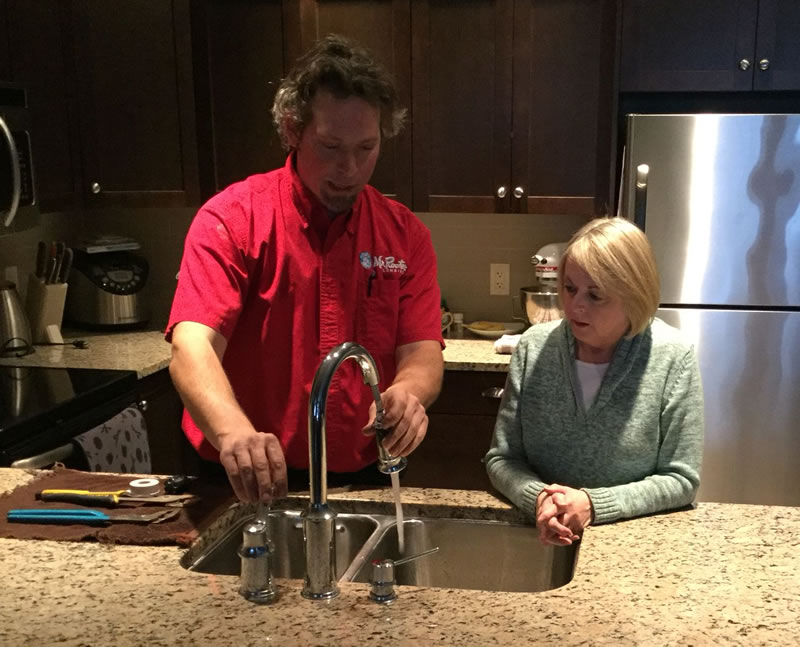
Faucets tend to wear out gradually, which is why many homeowners live with minor issues longer than they should. Mr. Rooter Plumbing offers faucet replacement in Boardman, Ohio, and local communities. When repairs stop solving the problem or when an older fixture affects water pressure, efficiency, or appearance, give us a call. A properly installed faucet should operate smoothly, seal tightly, and hold up to daily use. If you're trying to decide if it's time for a replacement and what that might involve, keep reading.
The cartridge or valve inside your faucet controls water flow and temperature. When it starts to fail, you'll notice a drip that comes back within days of being repaired, stiff handle movement, or water that won't hold the temperature you set. These issues point to mechanical wear that will get worse with continued use.
A plumber can pull the cartridge and inspect it. Cracks, worn O-rings, and sediment buildup inside the valve body are all signs that the component has reached the end. Replacing the cartridge alone sometimes works, but if the valve seat is also damaged or the faucet body is corroded, the repair won't hold for long.
It's important to catch this early because a failing valve can let water seep behind the sink deck or into the cabinet below. The moisture will damage wood, promote mold growth, and create a bigger repair bill than the replacement.
A single faucet repair in Boardman is reasonable, but two repairs on the same fixture within a year aren't. If you're calling for kitchen sink faucet repair every few months, the cumulative cost of labor and parts will exceed the price of a new fixture.
Faucets also lose efficiency as internal components wear down. A faucet with a worn aerator or damaged cartridge can waste several gallons per day through slow drips and incomplete shutoff. A new fixture with a WaterSense-rated aerator uses around 1.5 gallons per minute compared to the 2.2 gallons per minute common in older models.
Faucet installation in Boardman gives you a clean reset. New supply connections, a new valve, and a new aerator eliminate the accumulating problem points that make older fixtures unreliable.
Boardman and the surrounding area draw water from sources with moderate to high mineral content. Calcium and magnesium deposits build up inside valve bodies, on aerator screens, and around base gaskets. You'll see white or gray crust forming around the spout, handles, and connection points. This buildup restricts flow and accelerates internal wear.
Corrosion is a separate issue. Brass and chrome fixtures hold up well, but lower-grade zinc alloy components corrode fast. Once corrosion reaches the valve seat or the threads on supply line connections, no amount of cleaning reverses it. A faucet installer can tell the difference between surface mineral buildup and structural corrosion during a basic inspection.
Outdoor faucets are most vulnerable to this combination of mineral exposure and temperature cycling. Freeze-thaw cycles crack internal components, and mineral deposits seal small cracks shut temporarily until the pressure builds up enough to cause a visible failure. Replacing an outdoor faucet before it fails avoids water damage to the exterior wall and foundation area around it.
The new faucet has to match your sink's hole configuration. Single-hole sinks require a single-hole or deck plate faucet. Three-hole sinks accommodate widespread or centerset designs depending on the spacing between holes, which is normally 4 inches for centerset and 8 to 16 inches for widespread.
Countertop material also factors in. Drilling new holes into granite or quartz requires a diamond-tipped core bit and the right technique to avoid cracking the slab. If your current hole spacing doesn't match your preferred fixture, a faucet installer can help you determine if adding a deck plate covers the gap or whether the counter needs modification.
Supply line compatibility is part of this, too. Mismatched connections at the shutoff valve create leak points that show up weeks after installation, not immediately. Getting this right during faucet repair in Boardman means checking every connection point before the water goes back on.
Installing a new faucet sometimes reveals a pressure problem that the old fixture was masking. Low pressure at a single fixture usually means a clogged aerator or a partially closed shutoff valve under the sink. High pressure above 80 PSI can damage new fixture components and shorten the life of the valve cartridge.
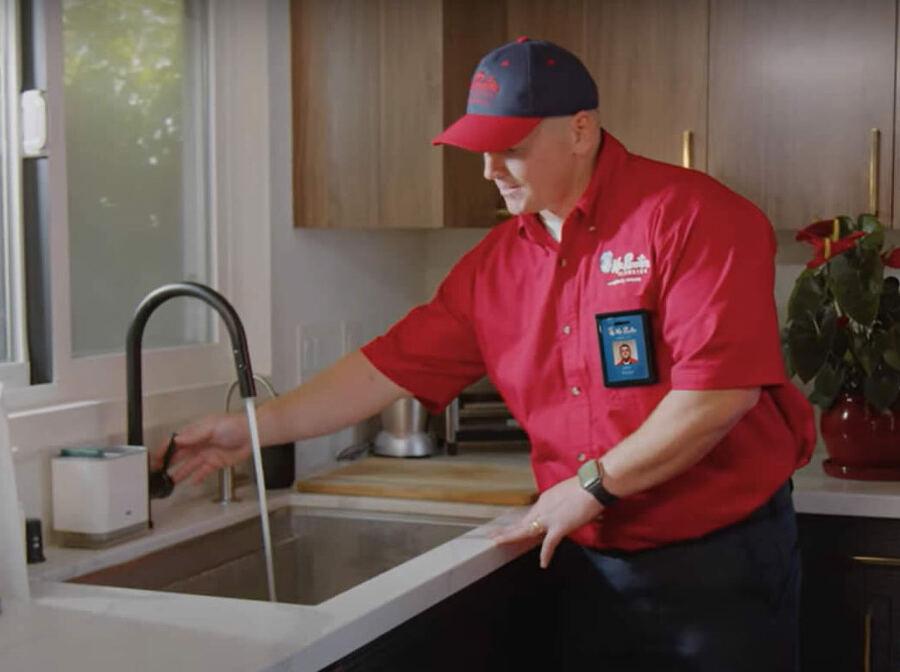
A plumber in Boardman, OH checks the shutoff valves under the sink during installation to confirm they open fully and that the supply lines aren't kinked. Both conditions reduce flow without any visible sign from above. After the new fixture is connected, running hot and cold water at full capacity confirms that the pressure is balanced and consistent.
Faucet replacement in Boardman sometimes uncovers a failing pressure-reducing valve at the main line. If multiple fixtures in the home show inconsistent pressure, that's worth addressing separately. Installing a quality faucet on a line with pressure problems creates recurring wear and early cartridge failure.
Whether you're dealing with a drip that won't quit, planning a kitchen sink faucet repair, or replacing outdoor faucets before winter, Mr. Rooter Plumbing can help. We'll check your existing plumbing before recommending a replacement and confirm compatibility before anything is installed. Call us to schedule your next repair or faucet installation in Boardman.
 Family Owned and Operated
 Licensed,Insured & Bonded
 Never Overtime Charge
 24-Hour Emergency Service
 Specials Coupons Available
 Flexible Appointment Times
 Experienced Plumbers