
Emergency Local Plumbers in Youngstown, OH and nearby cities
Emergency Local Plumbers in Youngstown, OH and nearby cities
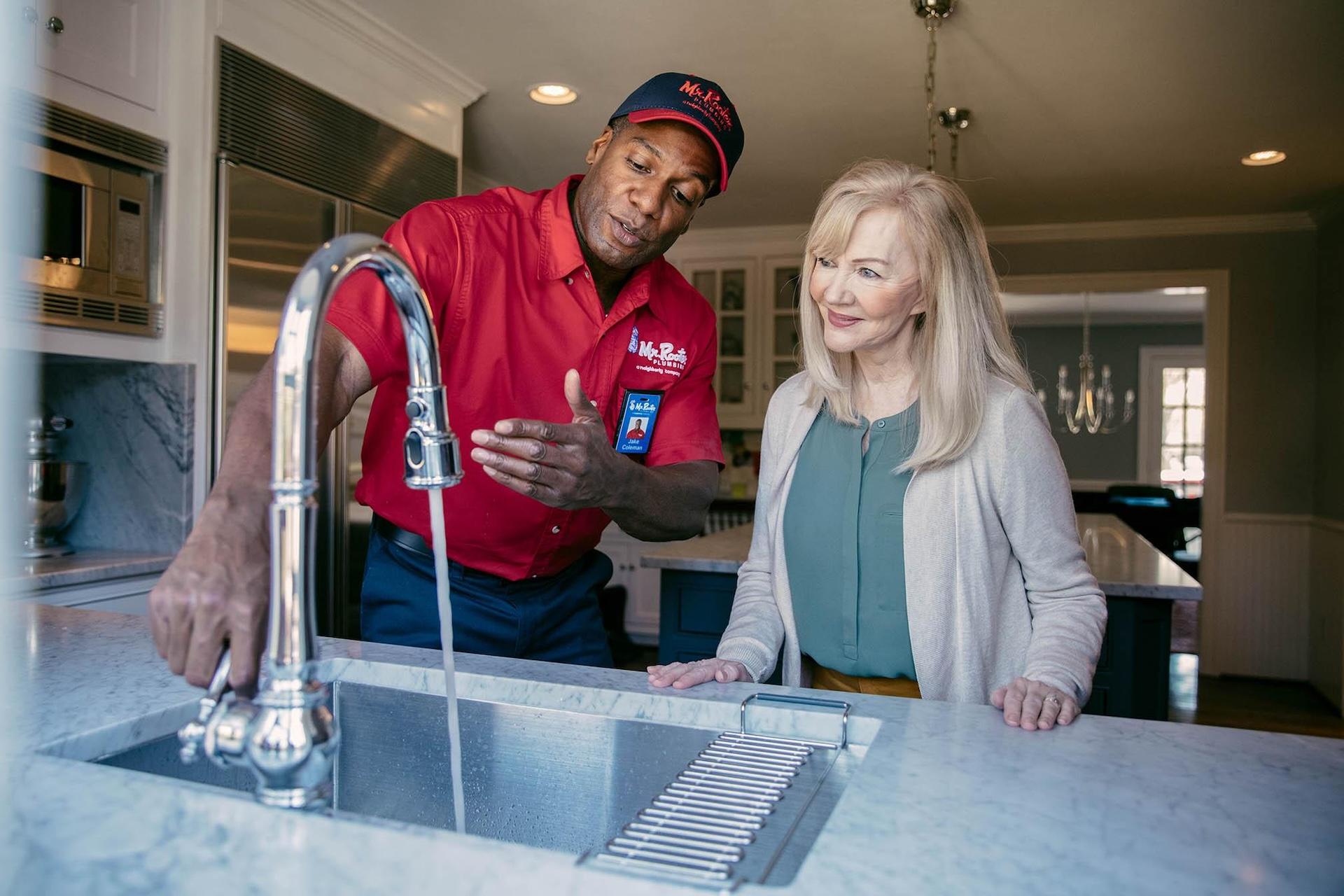
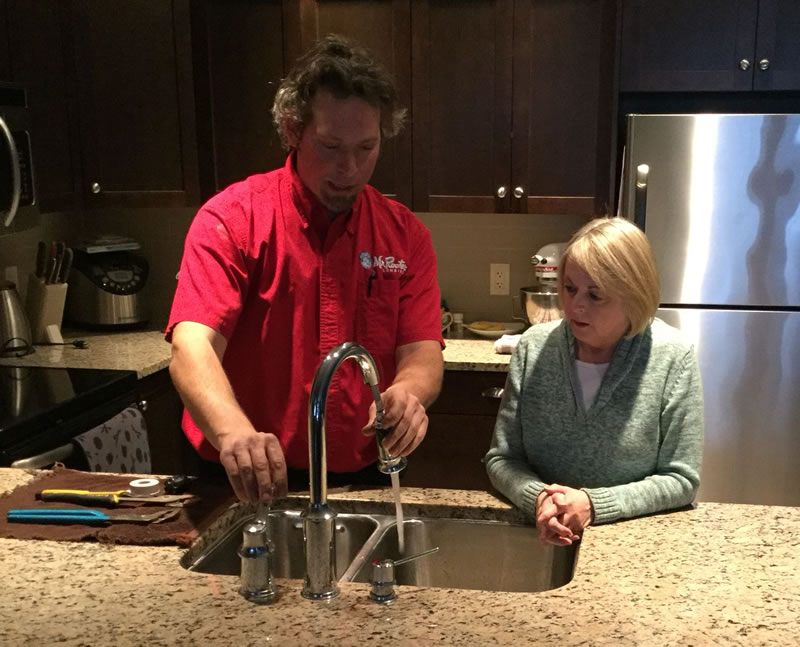
Faucets don't last forever, and when one starts showing its age, the right replacement can make a difference in how your kitchen or bathroom looks and functions. For faucet replacement in Churchill, Mr. Rooter Plumbing handles the job with attention to detail so that everything works the way it should once we're done. You won't have to worry about shortcuts, loose connections, or mystery leaks a week later. Read more to find out what goes into a proper faucet replacement.
Single-handle and double-handle faucets aren't interchangeable. A single-handle faucet uses one hole in the sink deck and controls both temperature and flow with one lever. A double-handle setup usually requires two side holes plus a center hole, one handle for hot and one for cold.
If you're replacing like-for-like, the job is more predictable. But if you want to switch from a double-handle to a single-handle, that's a different project. You may need an escutcheon plate to cover the extra holes, or the sink may need modification. A dependable plumber will assess the deck configuration before recommending a fixture, not after.
Deck thickness also factors in. Deeper sinks or stone countertops can require longer mounting hardware or specific installation kits. Skipping that assessment leads to loose fixtures, improper seals, and water working its way underneath the counter over time.
Supply lines are the connectors that run from your shut-off valves up to the faucet. They're easy to overlook during a replacement, but they're a common source of failure. Braided stainless lines typically last eight to ten years. Older plastic or corrugated lines can crack, bulge, or fail at the fittings.
A faucet installer who replaces the fixture without inspecting the supply lines leaves a potential problem behind. Older supply lines are more prone to failure due to wear, corrosion, or material breakdown, especially when disturbed during installation. Replacing supply lines at the same time as the faucet is standard practice.
Shut-off valves get inspected at the same time. A valve that hasn't been turned in years may not fully close when you need it to. If a valve is seized or corroded, that gets taken care of before the new fixture goes in.
This is where DIY replacements tend to stall. The mounting nut under the sink may be rusted solid. The supply line connections may have corroded onto the valve threads, or the faucet body itself may have mineral buildup locking it to the sink deck.
A plumber carries the tools to deal with this without damaging the sink or the shut-off valves. Basin wrenches reach the confined space under a deep sink. Penetrating lubricant gets applied to corroded threads and given time to work. Stuck nuts get cut off when needed, and valves get replaced.
Forcing corroded hardware causes cracks in sink basins, snapped valve stems, and gouged finishes on surrounding surfaces. Taking the time to do it right avoids those repair costs.
Most faucet manufacturers include installation requirements in their warranty terms. Faucet installation in Churchill that doesn't follow manufacturer specs, uses incompatible supply lines, or skips pressure checks can void warranty coverage before the faucet sees a full year of use.
A faucet installer documents the installation and installs according to the manufacturer's specifications. That matters when a ceramic disc cartridge cracks at eighteen months or a valve seat wears down ahead of schedule. With professional installation on record, a warranty claim moves forward without disputes.
This applies to outdoor faucets, too. Frost-free sillcocks and outdoor faucets that aren't installed with proper slope, correct pipe length, or the right backing support can fail during the first hard freeze. Warranty claims on freeze-damaged fixtures are rejected when improper installation contributed to the damage.
Touchless faucets use infrared sensors to detect hand placement and activate flow. Smart faucets add features like voice control, flow tracking, and preset temperature programming. Both categories require power, either from battery packs or a direct electrical connection under the sink.
A kitchen sink faucet repair in Churchill on an older pull-out or ball-valve model is simple by comparison. Smart fixture installation adds an electrical component to a plumbing job, and the two systems need to work together cleanly. The power source, sensor placement, and solenoid valve all factor into the installation process.
These fixtures also carry longer warranties and higher replacement part costs. Getting the installation right from the start is what protects that investment. A faucet installer experienced with smart fixtures will test sensor range, flow rate calibration, and connection integrity before the job is closed out.
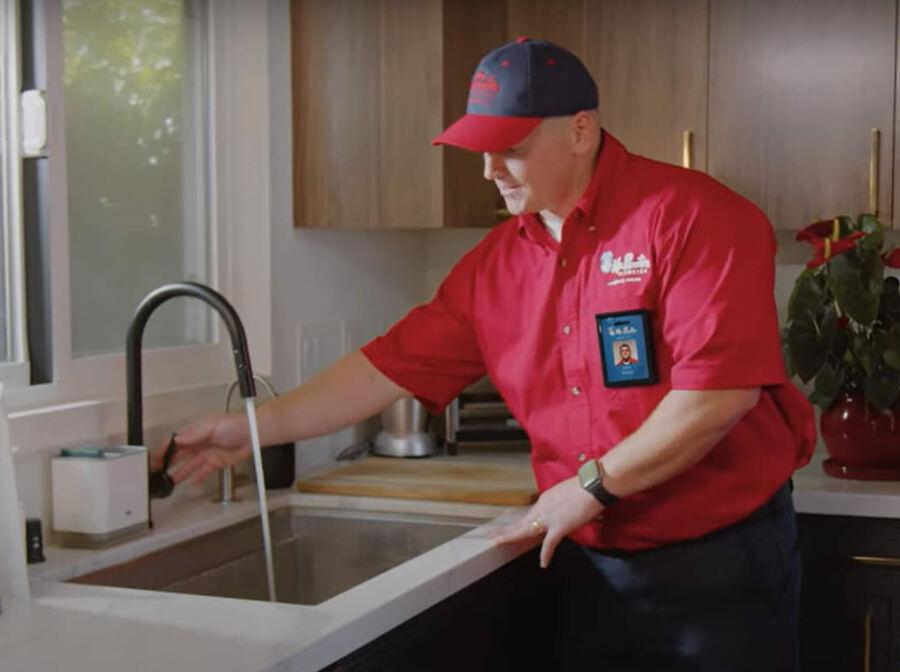
Faucet repair in Churchill starts with knowing what you have and what you want. Take note of your current faucet's hole configuration, the sink material, and whether your supply lines have been replaced in the last decade. If you've already purchased a fixture, have the model number ready.
Mr. Rooter Plumbing handles everything from kitchen sink faucet repair to full fixture replacements on outdoor faucets, bathroom vanities, and utility sinks. We check the existing plumbing, confirm compatibility with your new fixture, and handle any corroded hardware or aged supply lines.
Call Mr. Rooter Plumbing to schedule your faucet replacement in Churchill. We show up on time and give you a clear price before any work begins. When you need a plumber who treats your home the way they'd treat their own, give us a call and schedule your appointment.
 Family Owned and Operated
 Licensed,Insured & Bonded
 Never Overtime Charge
 24-Hour Emergency Service
 Specials Coupons Available
 Flexible Appointment Times
 Experienced Plumbers