
Emergency Local Plumbers in Youngstown, OH and nearby cities
Emergency Local Plumbers in Youngstown, OH and nearby cities
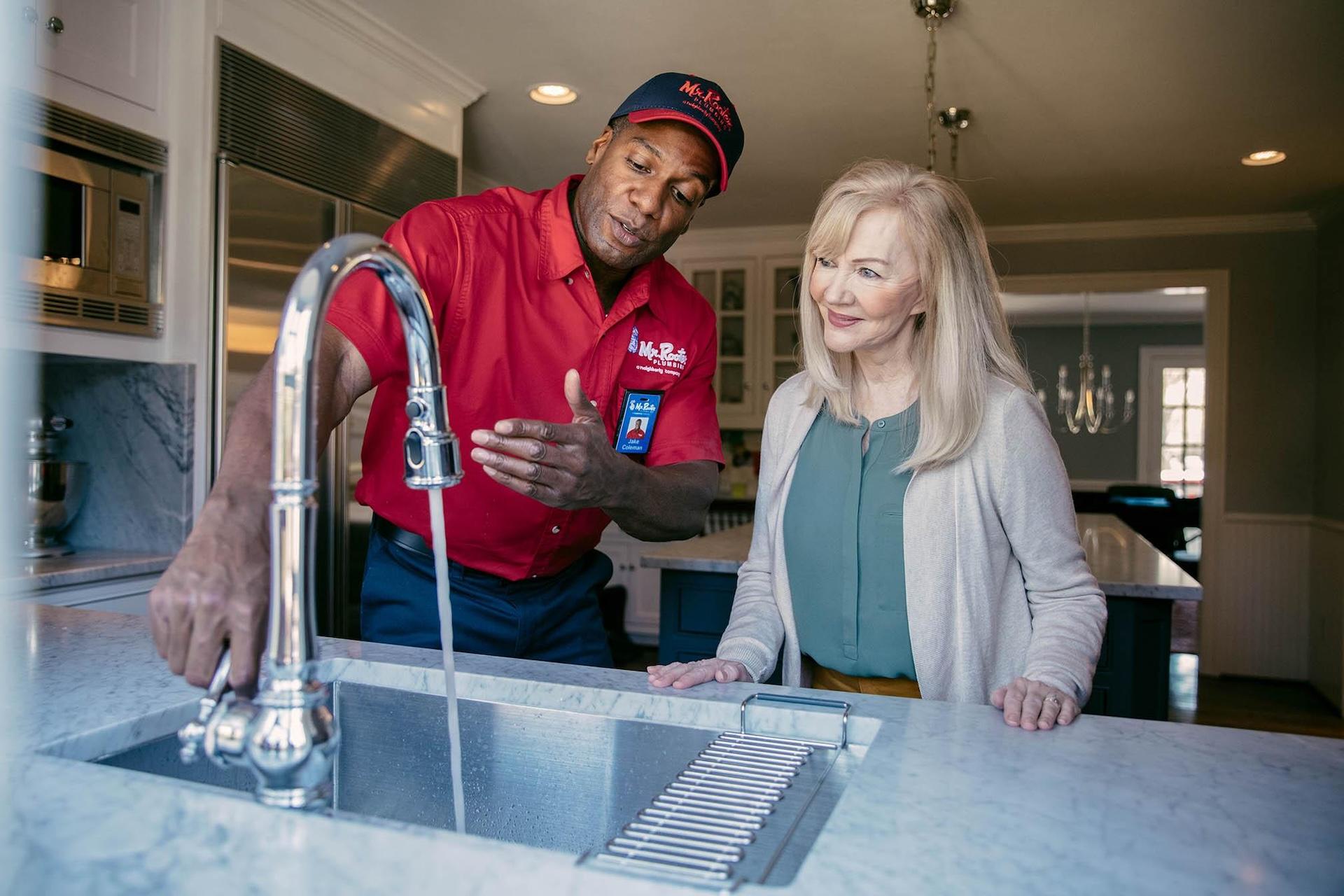
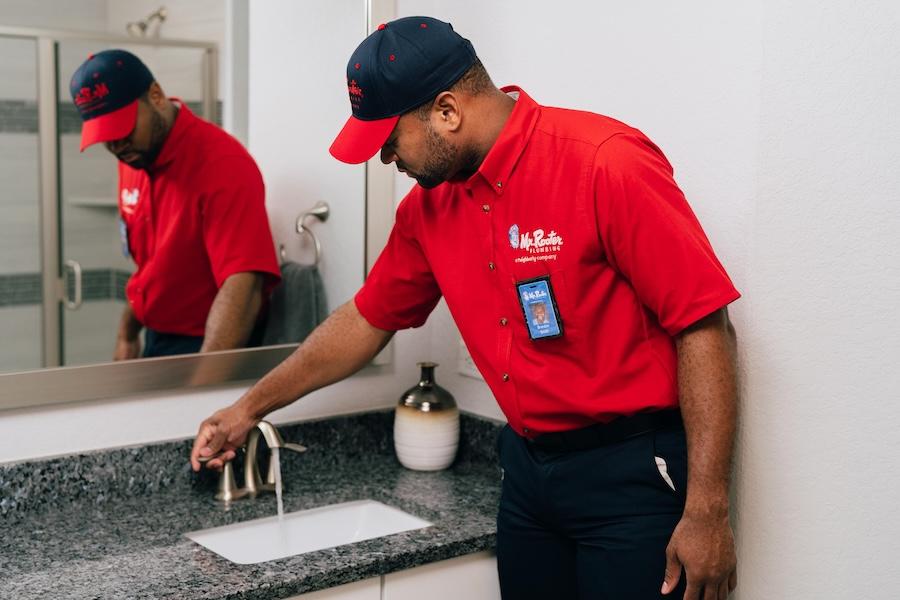
A faucet that leaks, runs weak, or looks like it belongs in a different decade is worth replacing sooner than most homeowners get around to it. Mr. Rooter Plumbing offers faucet replacement in Cortland, Ohio, and surrounding communities. If you want a clean, reliable result without the hassle of figuring it out on your own, here's everything worth knowing before you get started.
Some faucets are worth fixing. A worn washer or a loose handle is a minor repair that costs almost nothing. But when the same faucet needs work every few months, the math changes. Repeated repairs add up, and an aging fixture rarely holds up for long before something else gives out.
Mineral buildup is one of the clearest signs a faucet has reached the end of its useful life. If you notice white or rust-colored deposits around the base, a reduced water stream that won't clear up, or corrosion on the body of the fixture, replacement is the more practical choice. The internal components are likely worn past the point where a repair makes sense.
Age also matters. Most residential faucets last between 15 and 20 years under normal use. If yours is older than that, or if you've moved into a home where you have no idea how old the fixtures are, a plumber can help determine whether replacement is better than continued maintenance. Faucet repair in Cortland is always an option, but some fixtures have simply run their course.
Before you buy anything, count the holes in your sink. Most homeowners skip this detail, and it's the one that causes the most problems at installation. A single-hole faucet won't work in a three-hole sink without a deck plate, and a widespread faucet needs specific hole spacing to mount correctly.
Supply line size and shutoff valve condition are also important. Most residential faucets use 3/8-inch compression fittings, but older homes sometimes have different configurations. While you're under the sink, check to see if the shutoff valves turn fully or leak at the stem. A faucet installer will usually replace these during the job because installing a new faucet on a failing shutoff valve creates a second problem.
Water pressure affects faucet selection, too. Certain styles, particularly pull-down kitchen faucets with spray heads, need a minimum pressure to work properly. If your home runs below 40 PSI, some models won't perform the way the manufacturer intends. A plumber can measure your pressure and help you choose a faucet that works with your water supply.
A basic faucet swap looks simple from the outside. The reality under the sink is different. Access is tight, supply lines can be corroded to the point where they won't budge without damaging the shutoff valve, and drain assemblies on kitchen sinks might need attention at the same time. What looks like an hour of work can take longer when the existing plumbing hasn't been touched in years.
A professional installation includes more than removing the old faucet and threading in the new one. A qualified faucet installer will inspect the supply lines and replace them if they show cracking or corrosion, check the shutoff valves, verify the drain assembly is seated and sealed correctly, and test the full system for leaks before the job is done. For a kitchen sink faucet repair or replacement, the sprayer connection and hose routing also get checked.
The most common mistake is buying the faucet before confirming the specs. Sink hole configuration, countertop thickness, and cabinet clearance all affect which faucets will fit. A tall gooseneck faucet looks good in a showroom but may not clear the window above your kitchen sink. Measure the clearance from the sink deck to any obstruction before you commit to a model.

Outdoor faucets introduce a separate set of concerns. Standard outdoor spigots aren't designed for Cortland winters, and an incorrect installation leads to frozen pipes and burst fittings. Frost-free sillcocks are the correct choice for this climate. They place the internal shut-off several inches inside the wall, past the insulation line, so the water inside the pipe doesn't freeze when temperatures drop. If your outdoor faucets aren't frost-free, that's worth taking care of before the cold returns.
Over-tightening connections is another mistake that causes problems after the job is done. Compression fittings and supply line nuts require snug contact. Cross-threading a fitting or cracking a supply line nut during installation leads to slow leaks. A faucet replacement in Cortland that's handled by a professional eliminates this risk because a plumber knows the correct torque for each type of connection and has the tools to do it right the first time.
If your faucet is leaking or underperforming, the right move is to replace it with a fixture that works correctly from day one. Faucet repair in Cortland is available for problems worth fixing, and full replacement is the better call when the fixture has worn out. Mr. Rooter Plumbing provides faucet installation in Cortland for kitchens, bathrooms, laundry rooms, and outdoor faucets throughout the area. Our plumbers show up on time, do the work correctly, and leave your space clean. Call us to schedule your kitchen sink faucet repair or replacement service and get a fixture that does its job.
 Family Owned and Operated
 Licensed,Insured & Bonded
 Never Overtime Charge
 24-Hour Emergency Service
 Specials Coupons Available
 Flexible Appointment Times
 Experienced Plumbers