
Emergency Local Plumbers in Youngstown, OH and nearby cities
Emergency Local Plumbers in Youngstown, OH and nearby cities
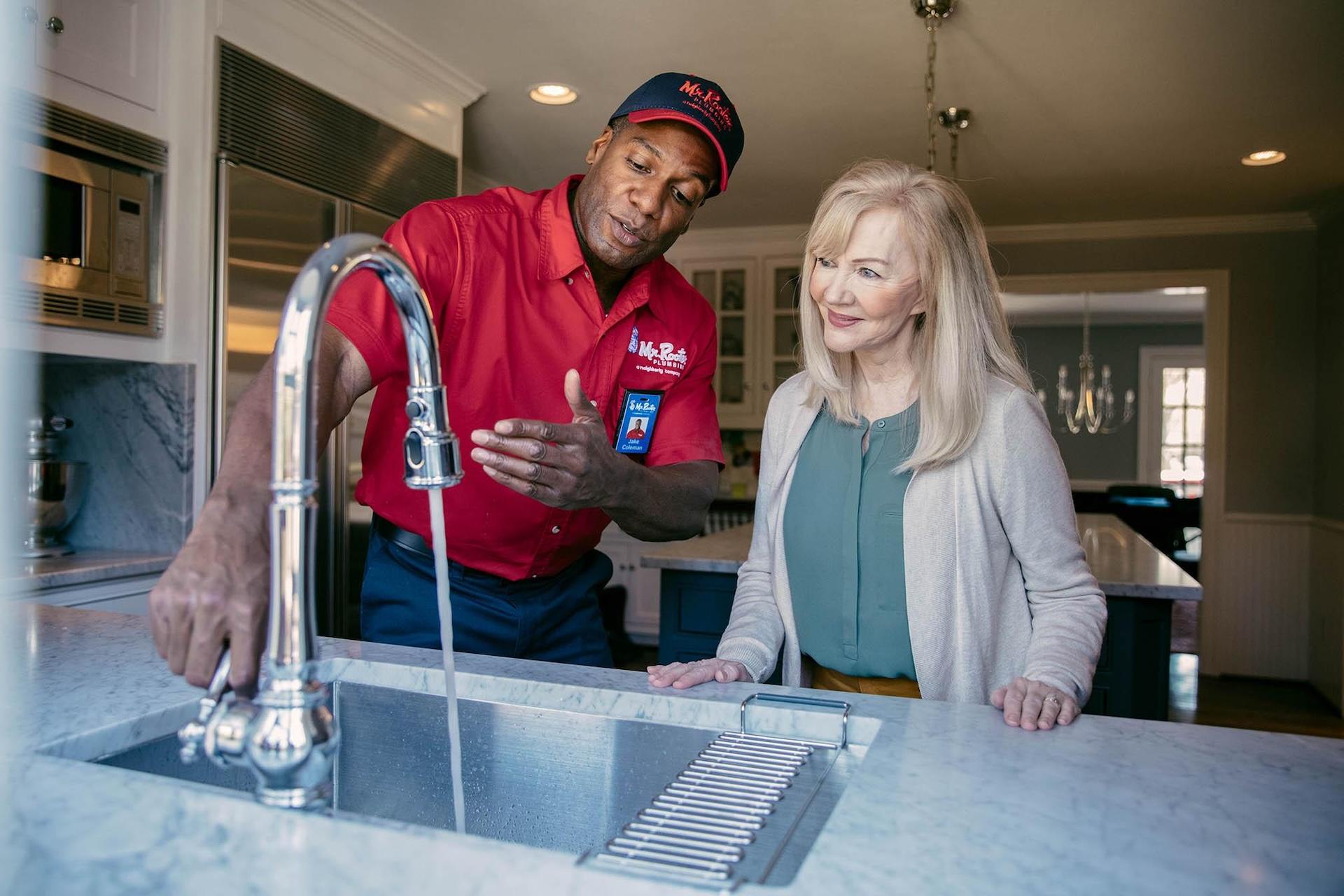
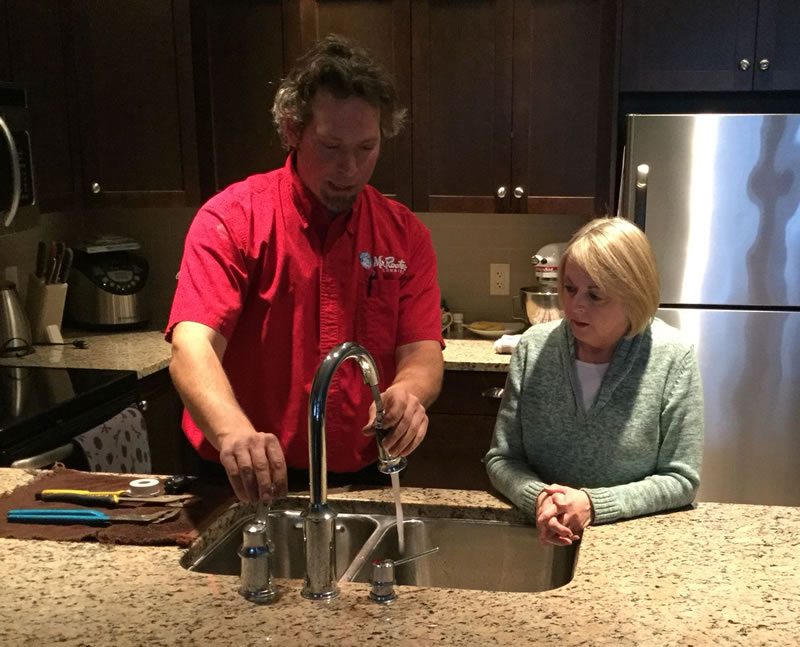
Replacing a faucet sounds simple until you're halfway through the job and realize the shutoff valve hasn't been touched in fifteen years or the supply lines don't match the new fixture. Homeowners who need a faucet replacement deserve a local plumber in Howland Center who shows up prepared for whatever the job uncovers. Mr. Rooter Plumbing has handled fixture replacements in all kinds of homes, from newer builds to older properties with plumbing that has its own personality. Keep reading to find out what a professional faucet replacement covers and why it's worth doing right the first time.
A single faucet dripping once per second loses roughly 3,000 gallons per year, which adds up on your water bill and puts unnecessary wear on the fixture. Ignoring a leak long enough can also cause mineral buildup inside the valve seat, corrosion on the supply lines, and water damage to the cabinet below the sink.
Some leaks point to a repair. A worn O-ring, a cracked cartridge, or a loose packing nut are all fixable without replacing the whole fixture. But when the body of the faucet is corroded, repairs keep failing, or the fixture is old enough that replacement parts are no longer available, faucet replacement in Howland Center is the more practical path. A faucet installer can help determine which route makes financial sense.
Kitchen sink faucet repair becomes more complicated when the faucet body itself has corroded to the point where parts can't seat correctly. At that stage, patching the leak only delays the replacement by weeks. Catching the problem early gives homeowners more options and keeps a minor repair from turning into a major restoration project.
Sink decks come with one, two, three, or four holes, and the number of holes determines which faucets will physically fit. A widespread faucet with separate hot and cold handles requires three holes spaced several inches apart. A single-hole faucet needs just one opening. Buying the wrong configuration before confirming what the sink has is one of the most common mistakes homeowners make when attempting a DIY replacement.
Deck plates can cover extra holes when a homeowner wants to switch from a three-hole setup to a single-handle faucet, but only if the sink material and hole spacing are compatible. Undermount and drop-in sinks each have their own quirks. Cast iron and composite sinks require specific tools to avoid cracking during installation. A faucet installer accounts for all of this before selecting a fixture.
The same principle applies to outdoor faucets. The connection point, pipe material, and wall thickness all factor into which hose bib or sillcock fits the opening. A plumber who handles outdoor faucets often knows how to confirm compatibility before cutting into a wall or committing to a fixture that won't work with the existing setup.
Supply lines connect the shutoff valves below the sink to the faucet body above. They're hidden inside the cabinet, but they're one of the first things a plumber checks during any faucet installation in Howland Center. Braided stainless lines are durable and resistant to kinking, but rubber-core lines degrade and can fail without warning. Replacing supply lines during a faucet swap is standard practice.
Shutoff valves get checked at the same time. A valve that hasn't been turned in years may not close completely, which creates a problem if someone needs to interrupt water flow for a kitchen sink faucet repair. Corroded or stuck valves sometimes need replacement before a new faucet can be installed safely. Discovering this mid-job is manageable for a professional, but can stop a DIY project cold.
Water pressure also plays a role in how a new fixture performs. High pressure accelerates wear on the internal cartridge and shortens the life of the fixture. Low pressure points to a separate supply issue that's worth diagnosing before the new faucet is installed. A plumber running a pressure check during a faucet replacement catches both problems so they don't shorten the life of a brand-new fixture.
Scheduling a faucet repair in Howland Center doesn't require a plumbing emergency to justify the call. Slow drips, corroded handles, low flow from a single fixture, and mineral-caked aerators are all valid reasons to have a plumber take a look. Waiting for a total failure usually means more work, extra downtime, and a larger repair window.
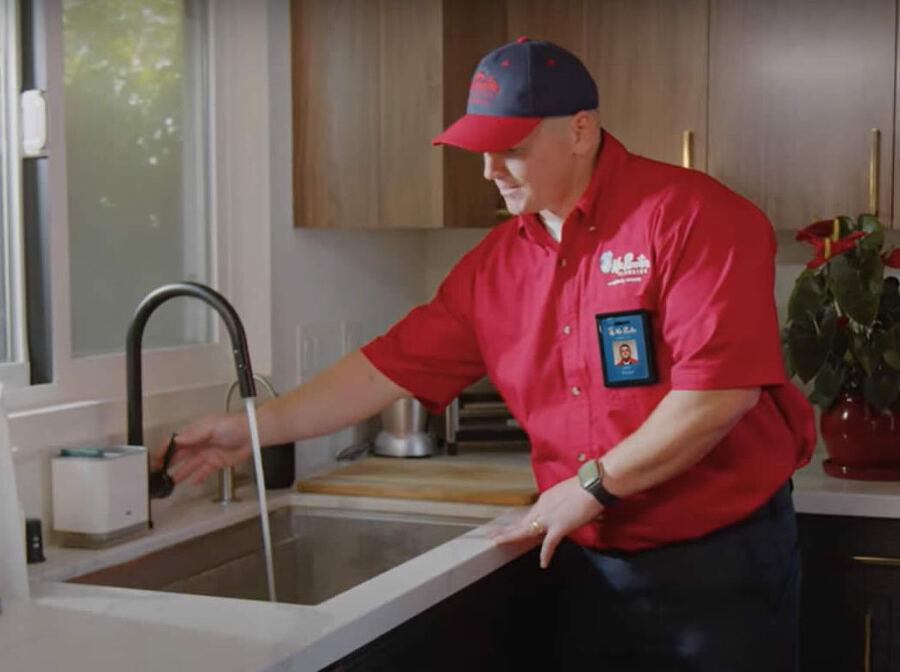
Before a technician arrives, homeowners can help speed up the job by locating the main shutoff valve, noting which faucets are affected, and having any new fixture on hand if they've already selected one. It also helps to know roughly how old the plumbing is, since older homes may have galvanized or copper supply lines that need different fittings than modern PEX connections. If a fixture hasn't been chosen yet, a plumber can advise on compatibility and quality before anything is purchased.
Older homes with original plumbing sometimes require additional work at the shutoff valve or at the connection point behind the wall. Knowing this ahead of time helps homeowners plan for the full demands of the job. A technician who communicates clearly about what the job involves before starting earns the homeowner's trust and prevents billing disputes later.
Faucet replacement in Howland Center goes faster and cleaner when both parties are prepared. The team at Mr. Rooter Plumbing arrives with tools and parts to handle the unexpected, from corroded shutoff valves to mismatched supply line fittings. Call today to schedule a service visit and get a fixture that works correctly from the first day it's installed.
 Family Owned and Operated
 Licensed,Insured & Bonded
 Never Overtime Charge
 24-Hour Emergency Service
 Specials Coupons Available
 Flexible Appointment Times
 Experienced Plumbers