
Emergency Local Plumbers in Youngstown, OH and nearby cities
Emergency Local Plumbers in Youngstown, OH and nearby cities
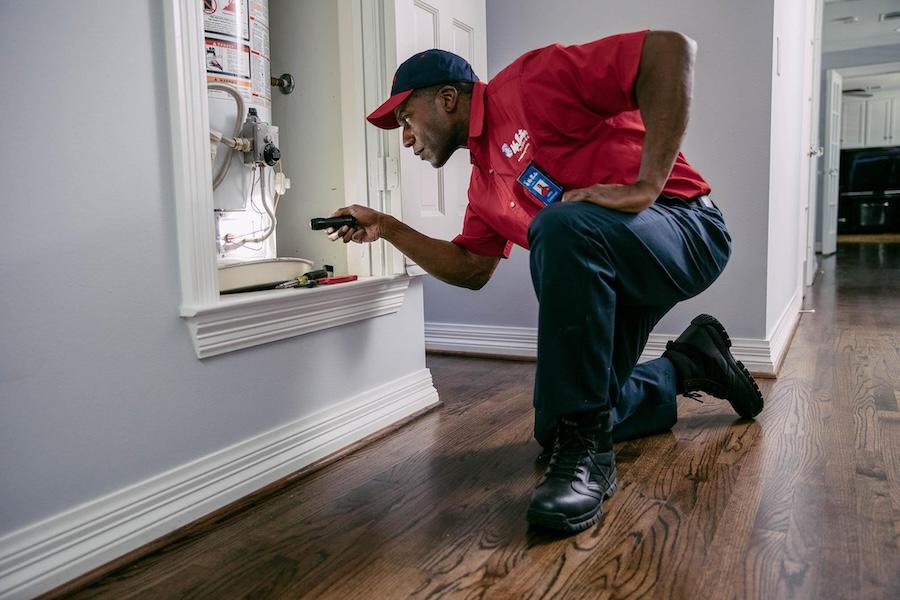
Gas appliances make life more convenient, but the lines that deliver fuel to your water heater, dryer, or fireplace need to stay in good working condition to keep your household safe. When your lines develop problems, you need someone who can respond quickly and handle the job with the experience it demands. Mr. Rooter Plumbing offers professional gas line repair in Greenville. A small leak can lead to dangerous hazards and higher utility bills. Keep reading to find out what puts gas lines at risk and how to tell if something might be wrong with yours.
Pennsylvania winters are tough on gas lines, whether they're buried underground or running next to exterior walls. When the ground goes through repeated freeze and thaw cycles during the colder months, soil shifts and settles, putting pressure on buried pipes. Movement can loosen joints or create small cracks that let gas escape into the surrounding earth or into your home. Metal pipes expand when it warms up, and contract when it gets cold, and all that cycling weakens connections over time. Summer comes with high humidity that speeds up corrosion on exposed metal, especially in crawl spaces where moisture tends to build up. Heavy spring rains soak the soil and can cause erosion around buried lines, which leaves them unsupported and more likely to get damaged. Ice forming inside lines during extreme cold doesn't happen often, but it's possible if moisture gets inside the system. When it does, blockages can cut off fuel flow to your appliances. The transition periods in March and November are usually when homeowners start noticing problems. That's when you're switching between heating and cooling and putting more demand on your gas appliances. Knowing these patterns helps you figure out when to schedule inspections and what warning signs to look for as the seasons change.
A pressure test is one of the most reliable ways to determine if your gas lines are working properly. During this procedure, a technician isolates sections of your piping system and introduces air or an inert gas at pressures higher than normal operating levels. The system is then monitored over a specific period to see if pressure drops, which would indicate a leak somewhere in the tested section. Even tiny leaks that you couldn't smell or detect with soap bubbles will cause measurable pressure loss during this test. Most gas line installation in Greenville projects require a pressure test before the utility company will approve the connection and turn on service. Your technician uses specialized gauges and monitoring equipment to track pressure changes down to fractions of a pound per square inch. When a test reveals a problem, the contractor moves on to check joints, valves, and pipe sections to find the exact source. Gas line replacement in Greenville is sometimes the answer when testing shows multiple weak points or materials that have deteriorated beyond safe limits. Going through this diagnostic process is going to save you time and money because you're not swapping out parts at random and crossing your fingers. And when it's done, you've got documented proof that your system meets safety standards. A contractor you can trust won't keep you in the dark. They'll hand over the test results and tell you exactly what showed up during the inspection.

The material your gas lines are made from plays a big role in how long they'll last, how safe they are, and what issues you might face over the years. Black steel pipe has been the industry standard for decades because it holds up well under pressure and resists corrosion from natural gas. Threaded steel connections are built to last, though they do require proper sealing compounds and careful installation to keep leaks from developing at the joints. Copper tubing had its moment in certain regions, but many areas have moved away from it. Sulfur compounds found in some gas supplies can deteriorate the metal from the inside out. If your home has copper gas lines and you notice a sulfur smell or discolored water from your gas water heater, those pipes may be breaking down internally. Corrugated stainless steel tubing, which uses flexible metal conduits, has become increasingly common for gas line installation because it's easier to route through walls and around obstacles. Flexible connectors need proper bonding and grounding to protect them from electrical currents, so you'll want someone who understands those requirements handling the installation. When it's time to think about gas line replacement, your plumber will look at which material makes the most sense for your situation.
When problems come up with your gas lines, knowing who handles what saves you time and confusion. Your gas utility owns and maintains the lines from the street main all the way up to and including your meter. Repairs in that section are their job, but everything downstream from the meter is your responsibility as the homeowner. So when it comes to gas line repair or gas line replacement in Greenville, you'll need to bring in a professional. If you suspect there's a leak, start by calling your utility's emergency line. They can tell you pretty quickly whether the problem falls on their side of the meter or yours. Utility technicians will typically locate the general area of a leak and shut off service if necessary, but they won't make repairs on customer-owned piping. A qualified plumber can diagnose the specific issue and complete the necessary work. After repairs are finished, the utility must inspect and approve the work before restoring gas service to your home. This protects everyone involved and makes sure that work on both sides of the meter meets safety standards. Keeping your utility's emergency number and a trusted provider's contact information easily accessible means you can respond quickly if you ever smell gas or notice signs of a problem.
When you need gas line services in Greenville, Mr. Rooter Plumbing delivers the reliability your family deserves. Our technicians handle everything from minor repairs to complete system installations with the same attention to safety and quality. Call us today to schedule an inspection or discuss your upcoming project with our team.
 Family Owned and Operated
 Licensed,Insured & Bonded
 Never Overtime Charge
 24-Hour Emergency Service
 Specials Coupons Available
 Flexible Appointment Times
 Experienced Plumbers