
Emergency Local Plumbers in Youngstown, OH and nearby cities
Emergency Local Plumbers in Youngstown, OH and nearby cities

A smell near the stove, a pilot light that won't stay lit, or a hissing sound you can't place are the kinds of things Grove City homeowners brush off until the problem gets worse. Gas line issues don't always announce themselves dramatically, but they will escalate, and waiting means a bigger repair bill or a serious safety risk you don't need to take. Mr. Rooter Plumbing offers professional gas line repair in Grove City, and we've seen what happens when small leaks go ignored for too long. Read more to learn the warning signs worth acting on, what the repair process involves, and how to know when a line needs replacing.
Most gas line problems we encounter in homes stem from a handful of causes. Corrosion tops the list. Metal pipes react with soil moisture, and the reaction eats through the pipe walls from the outside in. Homes built before the 1980s are most vulnerable because older pipe materials corrode faster than modern ones. Pennsylvania's freeze-thaw cycles shift the soil around buried lines, and the movement can bend joints or crack pipe sections. Tree roots also cause trouble when they grow toward gas lines and press against the surface. A plumber in Grove City, PA can identify root intrusion during an inspection by checking for pressure drops along specific sections. Poor initial installation also accounts for a surprising number of failures. When fittings aren't tightened correctly or pipes aren't supported well, small leaks develop within a few years. Gas line installation in Grove City requires permits and inspections for this exact reason. Skipping the proper steps during a renovation or new construction project creates problems that show up later.
The rotten egg odor added to natural gas catches most leaks, but smaller issues don't always produce a noticeable smell right away. Other indicators appear first if you know what to watch for. Dead patches of grass or plants above a buried line suggest gas is escaping into the soil and killing the root systems. A hissing or whistling sound near a gas appliance or along a visible pipe section points to pressurized gas escaping through a small opening. Your utility bills can also show a problem. A sudden increase without a change in your habits implies that gas is leaving the system somewhere before it reaches your appliances. Physical symptoms matter as well. Headaches, dizziness, nausea, or fatigue that improve when you leave the house and return when you come back can indicate low-level gas exposure. These symptoms develop gradually, so they're easy to attribute to other causes. If multiple family members experience the same issues at the same time, evacuate and call for gas line repair in Grove City immediately. Don't flip light switches or use electronics on your way out because electrical sparks can ignite gas that has accumulated indoors.

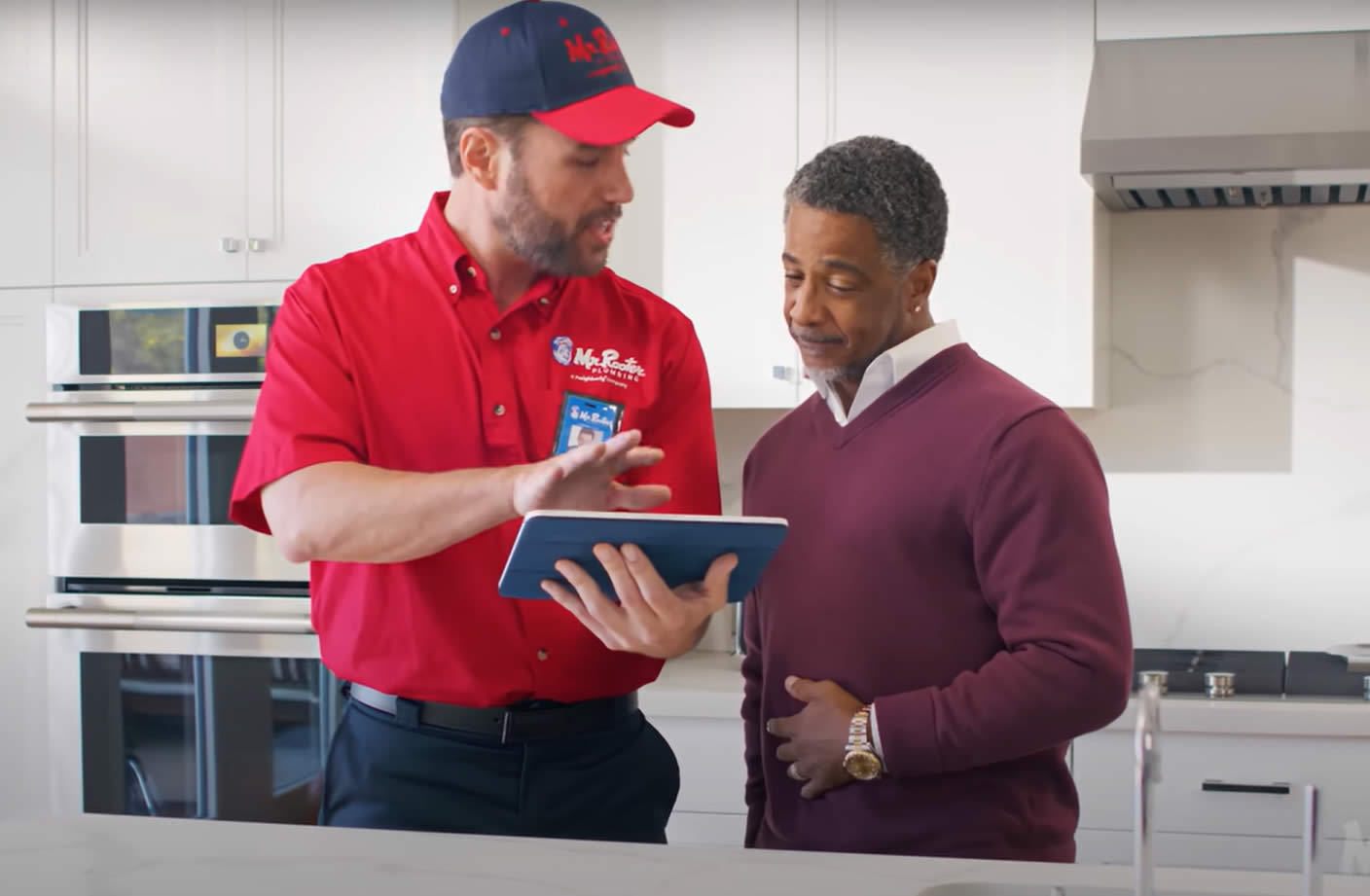
When our team arrives for a leak inspection, we start by asking about the symptoms you've noticed and when they began. The conversation narrows down the location and helps us prioritize which sections to test first. We use electronic gas detectors that measure parts per million in the air around pipes and fittings. These devices register concentrations that are too low for the human nose to detect. For buried lines, we also conduct pressure tests. We isolate a section of pipe, pressurize it with air or inert gas, and monitor whether the pressure holds or drops to confirm if a leak exists in that segment. Once we locate the leak, we inspect the pipe condition around it. A single corroded fitting might call for a repair, but widespread corrosion along the line suggests you need a gas line replacement. We document our findings and walk you through the options before work begins. If you need gas line installation in Grove City for a new appliance like a generator or outdoor grill, the inspection process also confirms whether your existing supply line can handle the additional load or needs an upgrade.
Not every gas line problem requires a full replacement, but some definitely do. We base the decision on three factors. The extent of the damage, the age and material of the existing pipe, and the cost comparison between repeated repairs and a single replacement. A small leak at a fitting or joint usually qualifies for repair. We cut out the damaged section, install new fittings, and pressure test the connection to verify a tight seal. That type of gas line repair takes a few hours and restores safe operation without disturbing the rest of the system. When corrosion has spread along an entire pipe, patching one spot leaves other weak points intact. Replacing the full section with modern materials prevents the cycle of repairs that would otherwise follow. Gas line replacement in Grove City also makes sense when the existing pipe material no longer meets code or when you're adding appliances that demand higher gas flow than the current line supports. We give you a written estimate for both options so you can weigh the numbers yourself.
Gas leaks don't fix themselves, and the risks compound with time. Carbon monoxide exposure, fire hazards, and explosions all increase as leaks grow larger. Mr. Rooter Plumbing provides gas line replacement in Grove City along with inspection and installation services for residential properties throughout the area. Our technicians schedule appointments around your availability and communicate clearly about what we find and what it will cost to fix. If you've noticed any of the warning signs covered above, or if your gas lines haven't been inspected in several years, call us to schedule an evaluation. Gas line installation requires professionals who understand local codes and take the work seriously.
 Family Owned and Operated
 Licensed,Insured & Bonded
 Never Overtime Charge
 24-Hour Emergency Service
 Specials Coupons Available
 Flexible Appointment Times
 Experienced Plumbers