
Emergency Local Plumbers in Youngstown, OH and nearby cities
Emergency Local Plumbers in Youngstown, OH and nearby cities
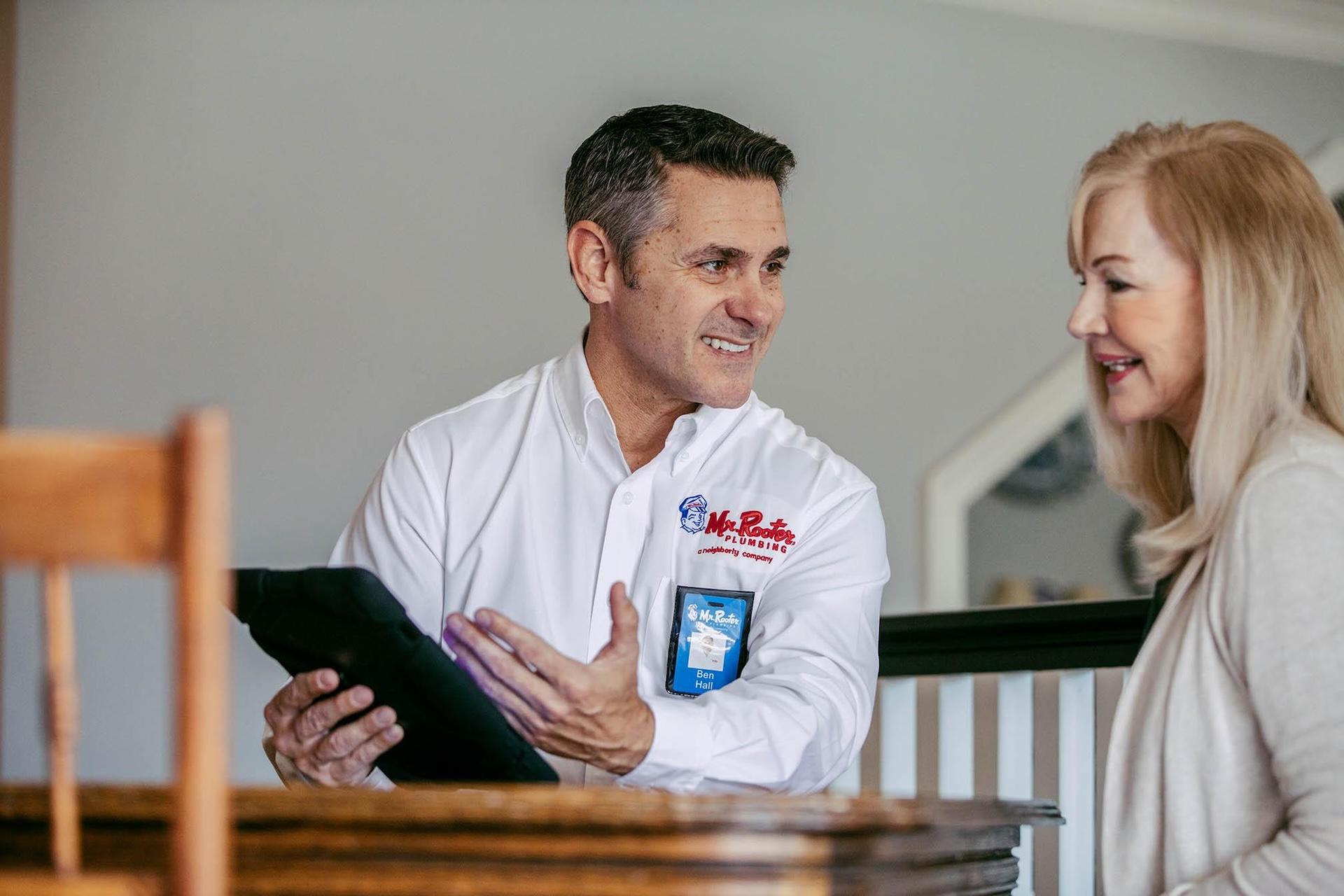
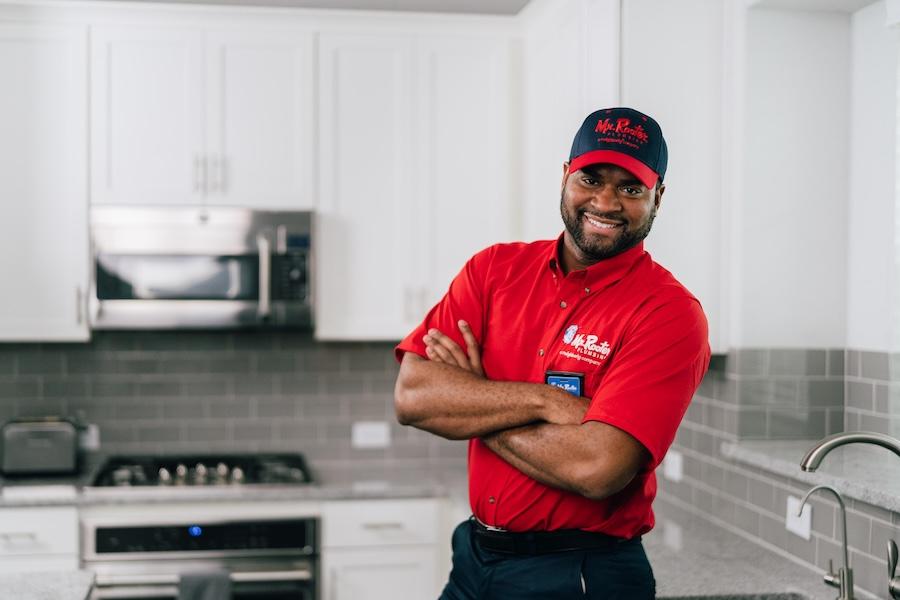
Gas lines sit behind walls and under floors doing their job quietly for years, which is exactly why damage to one can catch you completely off guard. A sulfur smell, a hissing noise, or an appliance that keeps shutting off are all your home's way of telling you something underground or behind the drywall needs attention right now. Mr. Rooter Plumbing provides gas line repair in Sharpsville for homeowners who need someone on-site quickly with the training and licensing to get it done safely. There's no version of a gas line issue that's okay to put off, and understanding what you're dealing with helps you respond the right way. This guide is going to walk you through how to spot trouble, what to do before help arrives, and what the repair process involves.
Natural gas doesn't have a smell on its own. Utility companies add mercaptan, a chemical that smells like rotten eggs or sulfur, so leaks announce themselves before they become dangerous. If you catch that odor near your stove, water heater, or furnace, you're detecting gas that's escaped the line. The smell won't go away on its own, and it shouldn't be ignored even if it seems faint.
Listen for a hissing or whistling sound near gas connections or appliances. That noise means gas is escaping through a crack or a loose fitting. You might also notice dead patches of grass or plants near outdoor gas lines, since the escaping gas kills vegetation at the root. Inside the home, watch for pilot lights that blow out repeatedly or burners that produce a yellow or orange flame instead of blue. These are signs your appliances aren't getting clean fuel because the line has been compromised.
Physical symptoms like headaches, dizziness, nausea, or fatigue that improve when you leave the house can all point to low-level gas exposure. If multiple people in your household experience these symptoms at the same time, evacuate and call for help.
Leave the building as soon as you suspect a leak. Don't turn lights on or off, don't unplug anything, and don't use your phone inside the house. Any electrical spark can ignite gas that's accumulated in an enclosed space. Get everyone out, including pets, and move to a safe distance away from the structure.
Once you're outside, call your gas company's emergency line and 911. The gas company sends a technician to shut off your supply at the meter and confirm whether there's a leak. After the area is secure, contact a plumber to diagnose the issue and schedule gas line repair. You won't be able to restore service until a professional inspects the system, locates the source of the leak, and completes the repairs.
Don't go back inside until the gas company and emergency responders clear the property. Even if the smell fades, gas can linger in pockets near the floor or ceiling. Wait for confirmation that it's safe to re-enter.
Gas line installation and repair aren't DIY projects, and they're not tasks you can hand off to an unlicensed handyman. Local codes and state regulations require anyone who works on gas systems to hold specific certifications and permits. A plumber who's licensed for gas line work understands pressure requirements, pipe material standards, and leak testing procedures that keep your home safe. Cutting corners or hiring someone without credentials puts your family at risk and can void your homeowner's insurance if something goes wrong.
A qualified professional knows how to shut down your system properly, isolate the damaged section, and test every connection after repairs are complete. They also pull the necessary permits and arrange inspections with your local building department, which protects you if you ever sell the home or file an insurance claim.
Attempting repairs on your own or hiring someone unqualified can lead to fines, failed inspections, and serious safety hazards. Gas line replacement in Sharpsville requires the same level of expertise, and the stakes don't change whether you're fixing a small crack or running a new line to an addition. This is one area where experience isn't negotiable.
A licensed plumber will start by shutting off the gas supply at the meter to eliminate danger. From there, they'll inspect the entire system using pressure tests, electronic leak detectors, or soap solution applied to joints and connections. These tools pinpoint exactly where gas is escaping, so the repair targets the right section.
If the damage is limited to a single joint or fitting, the plumber may tighten the connection, replace a valve, or swap out a short section of pipe. More extensive corrosion or a crack in the line requires cutting out the damaged segment and installing new pipe. The plumber will match the material to your existing system, depending on what's up to code in your area.
After the repair is complete, the plumber pressurizes the system again and checks every connection for leaks. They'll also test your appliances to confirm they're receiving the correct gas flow and that burners ignite cleanly. Once everything passes inspection, they'll restore service and document the work for your records. The entire process can take a few hours for minor repairs or a full day for more involved gas line installation in Sharpsville.
Repairing a section makes sense when the damage is isolated to one area, and the rest of the system is in good shape. A small crack near a connection point, a corroded fitting, or a joint that's come loose can all be fixed by cutting out the damaged piece and installing a new segment. This saves time and keeps costs down when the problem is contained.
Gas line replacement in Sharpsville becomes necessary when the entire system shows signs of wear or the existing line no longer meets current building codes. Older homes with outdated galvanized steel pipes, for example, are prone to rust and leaks throughout the system. In those cases, patching one spot just buys a little time before another section fails. Replacing the full line eliminates that cycle and brings your home up to modern safety standards.
If your gas line is more than 30 years old or if multiple leaks have occurred in different areas, replacement is the smarter long-term investment. A plumber in Sharpsville, PA can determine the condition of your pipes during an inspection and recommend the option that protects your home without overspending on repairs that won't last.
If you've noticed warning signs or want your system checked before a problem develops, contact Mr. Rooter Plumbing. Our technicians respond quickly, diagnose the issue accurately, and complete gas line installation and repair work that meets every code requirement. We're available when you need us, and we treat every gas line issue with the urgency it deserves.
 Family Owned and Operated
 Licensed,Insured & Bonded
 Never Overtime Charge
 24-Hour Emergency Service
 Specials Coupons Available
 Flexible Appointment Times
 Experienced Plumbers