
Emergency Local Plumbers in Youngstown, OH and nearby cities
Emergency Local Plumbers in Youngstown, OH and nearby cities
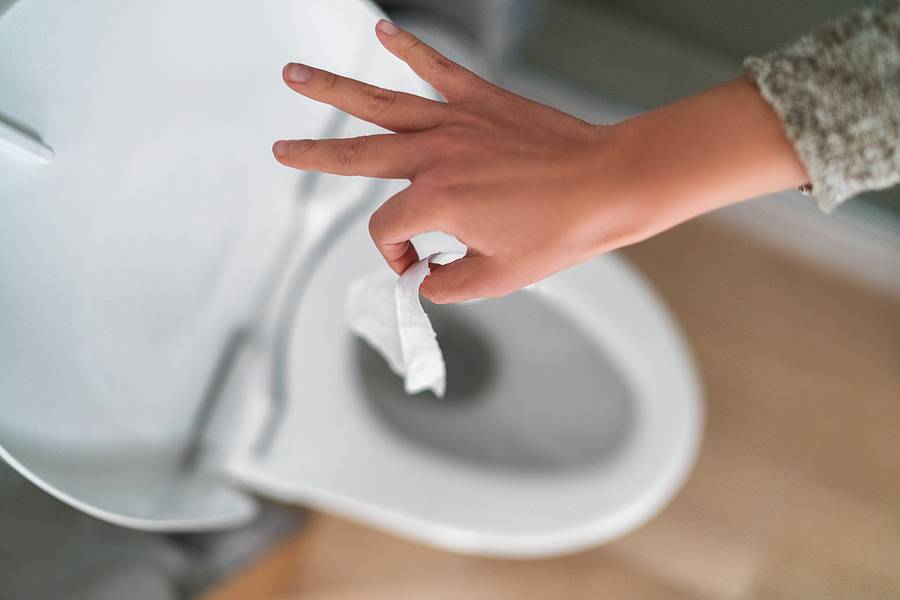
The toilet gets used dozens of times a day in most households, and for a lot of people, it doubles as a convenient disposal option for things that have absolutely no business going down there. Some of the most expensive plumbing calls we respond to trace back directly to things people flush that cause expensive plumbing problems. The frustrating part is that most of them were completely avoidable. Mr. Rooter Plumbing has cleared enough blocked lines and damaged pipes to know what the usual culprits are. Keep reading because your plumbing will thank you.
The label says flushable, but your pipes disagree. Unlike toilet paper, which breaks apart in water within seconds, wet wipes hold their structure long after they leave the bowl. They travel a few feet into the drain line and stop. Then the next wipe catches on the first. Within weeks, you've got a blockage that takes professional equipment to clear.
Municipal water utilities have pulled literal tons of wipes from sewer systems across the country. The wipes don't degrade on any timeline that works in your plumbing's favor. They bind with grease residue and other debris already coating the inside of the pipe, and the clog that forms is dense, sticky, and resistant to basic drain cleaners.
A licensed plumber sees this constantly. Wipe clogs are one of the top reasons homeowners call for emergency service. No matter what the packaging says, wipes belong in the trash.
Cotton doesn't dissolve in water. Cotton balls, cotton rounds, Q-tips, and feminine hygiene products all absorb liquid and expand rather than break down. Once they enter the drain line, they wedge into joints and bends and start collecting everything else moving through the pipe.
A single cotton ball won't shut down your plumbing; however, the accumulation will. Each item that flushes adds to a growing mass inside the line, and once water backs up into the bowl, the blockage is already substantial. Reaching it requires a professional plumbing repair service with the right tools to clear the line without damaging the pipe walls.
Pipe bends, called P-traps and elbow joints, are where cotton products tend to collect. These areas already slow water flow by design. If you add expanding cotton to the equation, you've created a catch point that grows with every flush.
Grease leaves the pan as a liquid and looks harmless going down the drain. It doesn't stay that way. As it moves through cooler sections of the pipe, it solidifies and coats the interior walls. Each time more grease enters the line, another layer deposits. The pipe opening narrows incrementally until water can barely pass through.
Food waste compounds the problem. Bits of food that enter the drain catch in the grease layer and add bulk to the buildup. Coffee grounds are a major offender because they clump together and resist water pressure. Cooking oils, meat drippings, and dairy products all behave the same way inside a pipe.
Grease-related clogs can extend deep into the sewer line, which means clearing them costs much more than a standard drain cleaning. Sewer repair in Canfield, OH at that level involves camera inspection, high-pressure jetting, or excavation, depending on how far the buildup has traveled. Pouring grease into a container and throwing it in the trash costs nothing. Sewer repair costs considerably more.
Inside the sewer line, years of flushing the wrong materials leave behind a composite buildup of grease, fibrous material, mineral deposits, and debris. Tree roots can make problems worse. When they enter sewer lines in search of water, they catch flushed material the same way a drain catch collects hair. The root mass and the flushed debris build together until the line is partially or fully blocked, and a sewer repair is no longer optional.
Older pipes made from clay or cast iron are the most vulnerable because their interiors corrode and develop rough surfaces that grab passing material. A trusted plumber who runs a camera through the line can identify buildup, root intrusion, and pipe deterioration so you can avoid an emergency. Annual or biannual inspections are a small investment compared to the cost of a full sewer line replacement.
Slow drains, gurgling sounds after flushing, and water backing up into a second fixture are each a signal that something is wrong inside the line. Waiting for a complete blockage makes the job harder and more expensive. A plumber can diagnose the problem and clear it before it reaches that point.
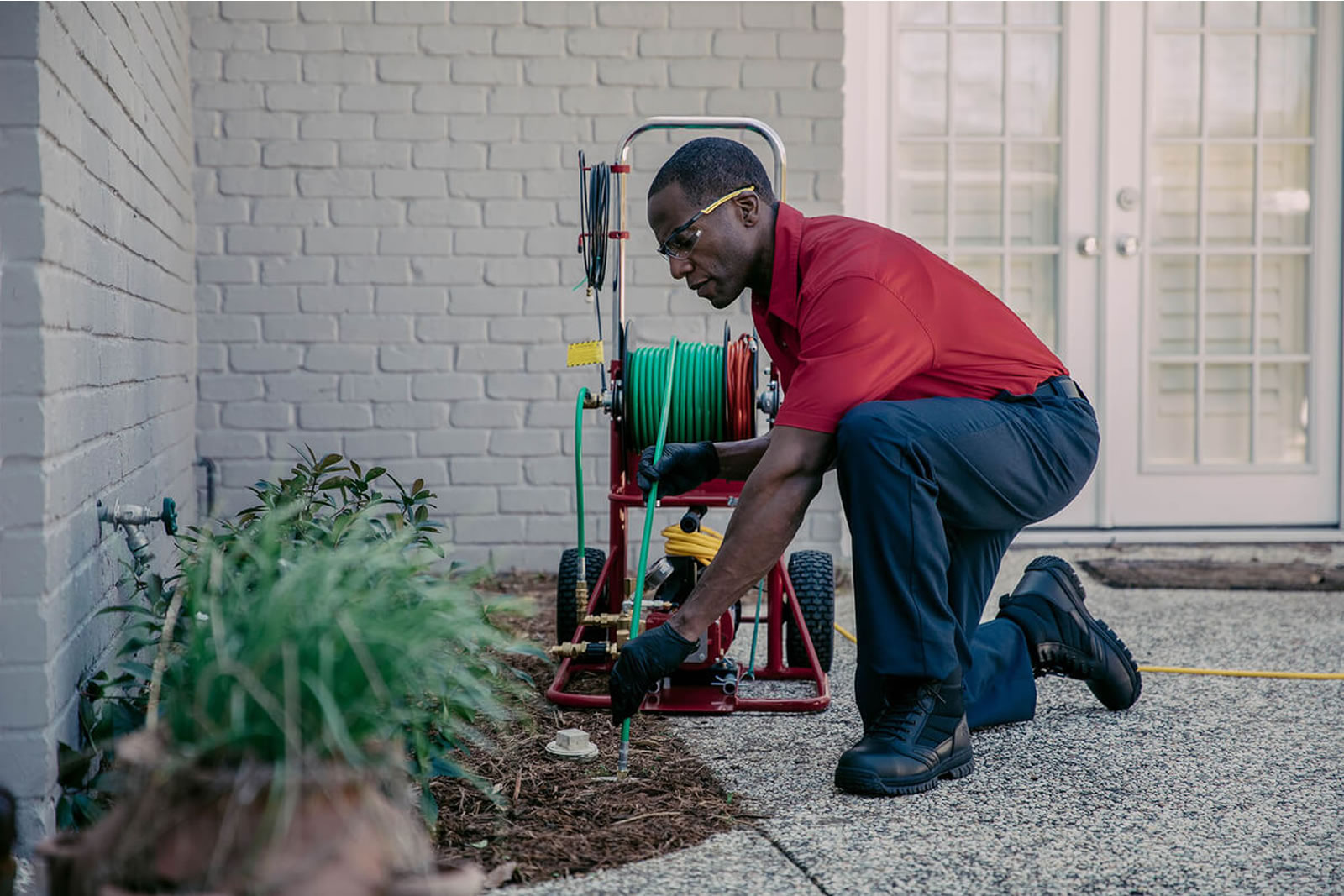
Depending on the severity and location of the blockage, a plumbing repair service will use hydro-jetting equipment to blast buildup from pipe walls, drain snakes to break apart clogs, or a camera inspection to locate the exact source of the problem.
Schedule a camera inspection if your home is more than twenty years old or if you've never had the sewer line professionally evaluated. Older systems carry years of accumulated material that won't clear on its own.
If your drains are running slow, your toilet is sluggish, or you're hearing sounds from your pipes that weren't there before, don't wait. Mr. Rooter Plumbing provides reliable plumbing repair service. We stand behind our work and show up when we say we will. Call us today so we can get your plumbing back in working order.
Tired of being hit with that surprise shock of cold water in the shower before it finally heats up? Hot water is a luxury we can take for granted until it runs out, especially on the cold days of winter. Standard storage water…
Issues with your sewer system can be a real stink. Luckily, homeowners and businessowners in Youngstown have a reliable and affordable sewer repair plumber in Youngstown available around the clock. Mr. Rooter Plumbing is happy to offer its licensed and professional services. If…