

Emergency Local Plumbers in Youngstown, OH and nearby cities
Emergency Local Plumbers in Youngstown, OH and nearby cities
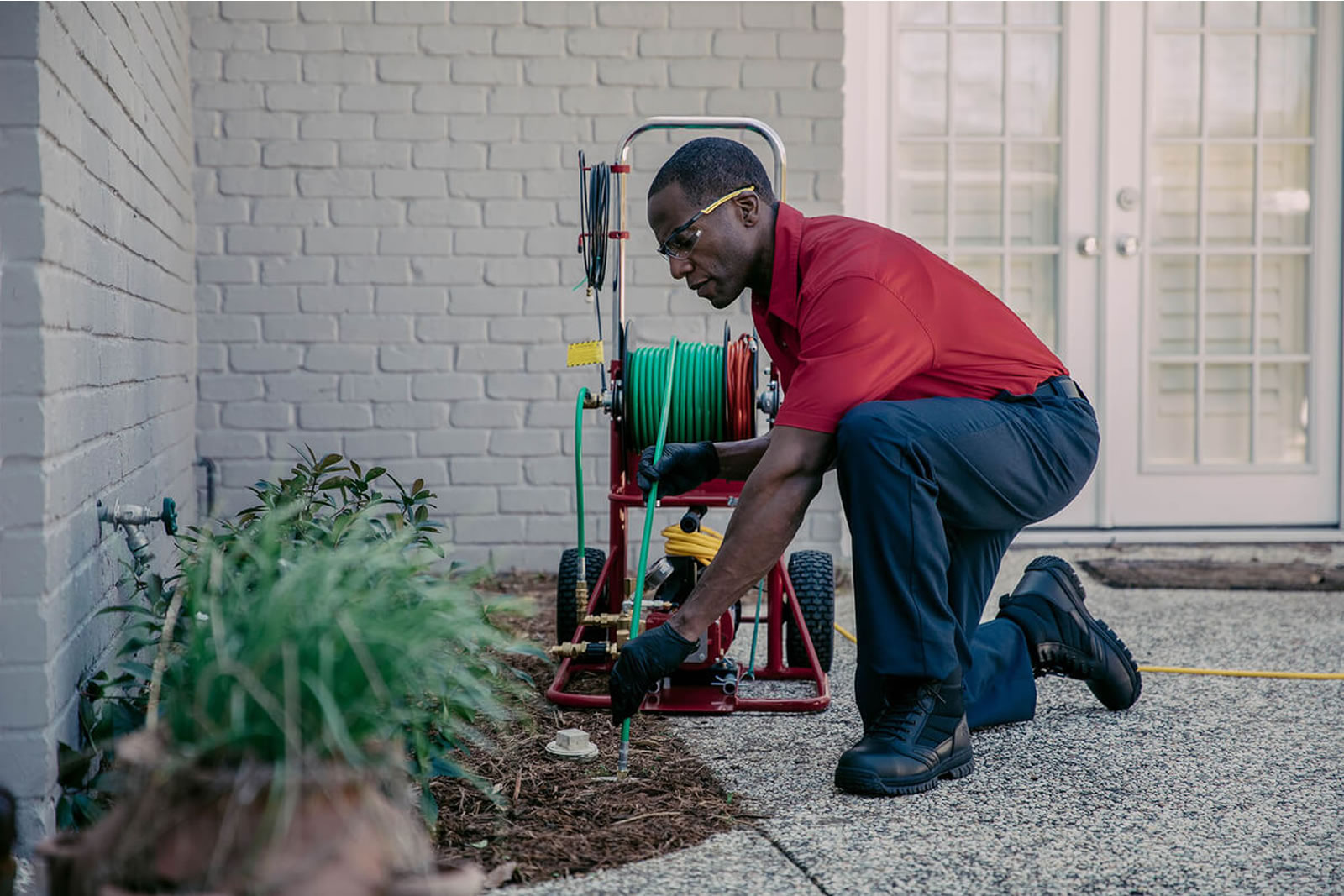
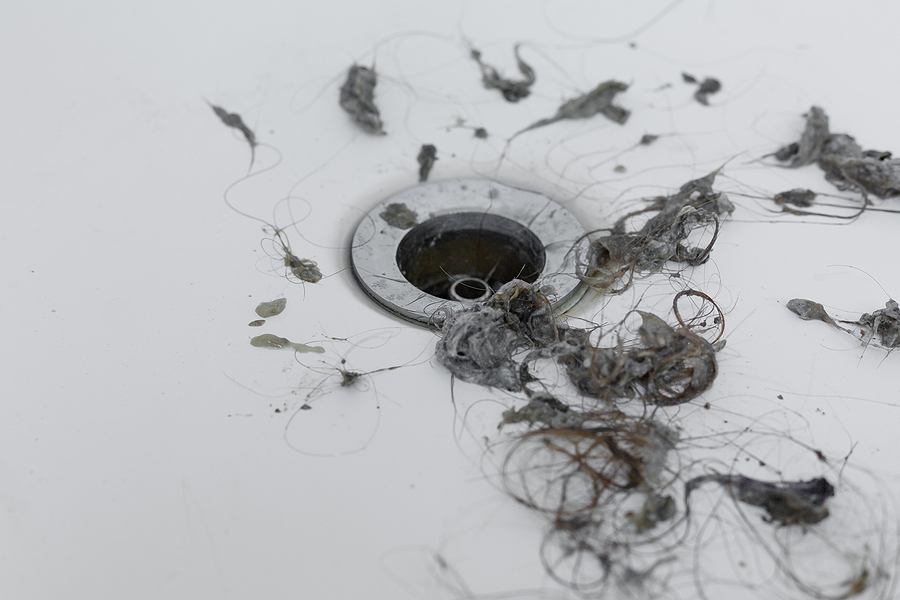
Every slow drain in your home started with something small, and months of buildup can accumulate inside your pipes long before the water starts backing up. At Mr. Rooter Plumbing, we see the same pattern month after month during a plumbing repair service. Most drain blockages trace back to three culprits that turn up in the same spots every time. Understanding how hair, grease, and debris behave inside your pipes gives you an advantage in preventing the next clog. Keep reading to find out what happens inside your drains and what you can do about it.?
Hair doesn't just slide through your pipes and disappear. Individual strands catch on pipe joints, buildup from previous clogs, or even small imperfections inside the pipe wall. Once a few strands anchor themselves in place, they form a net that traps everything else coming through, including soap scum, skin cells, and shampoo residue.
The structure of a hair clog is what makes it stubborn. Unlike grease or debris that might dissolve or flush through with enough water pressure, tangled hair binds tighter as more material compacts into it. A professional plumber pulling a hair clog from a bathroom drain often finds a dense, matted mass that's bonded to a layer of soap and grime. It doesn't break apart, so it has to be physically extracted.
Shower drains and tub drains take the worst of it, but bathroom sink drains are close behind. A simple mesh drain cover catches hair before it enters the pipe and removes the anchor point where a clog can form.
Grease enters your kitchen drain as a liquid, which is why people pour it down the sink without thinking twice. Hot cooking oil, bacon fat, and butter all flow freely when warm. The problem starts about twelve to eighteen inches inside your drain pipe, where the temperature drops and the grease begins to solidify against the pipe wall.
Each pour leaves a thin coating. The next one adds another layer. Within weeks, the pipe's internal diameter narrows enough to noticeably slow drainage. The grease also acts as an adhesive that traps food, coffee grounds, and anything else passing through. Dish soap helps somewhat, but it doesn't fully dissolve solidified fat. It just emulsifies it long enough for the grease to re-solidify further down the line, sometimes at a bend or joint where it's harder to reach.
The kitchen sink is the most common source of grease blockages, but the buildup in the pipe is rarely confined to a single spot. Let the cooled grease solidify in a container and dispose of it in the trash. For drains that already drain slowly, a professional drain cleaning is the only way to completely clear hardened grease deposits.
Not all drains face equal risk. The location and function of a drain determine how quickly blockages develop and how severe they get. Here's where trouble concentrates:
The drains people use most are the ones that clog fastest, but the floor drain is usually the one that causes the biggest surprise. It goes months without attention and then backs up at the worst possible moment. Routine drain cleaning on a schedule keeps all of these drains working reliably.
A licensed plumber can inspect every drain in the house and identify which ones are already showing partial blockage before the backup happens. Catching a slow drain at 20% restricted is easier than clearing one at 90%.
A slow drain is easy to dismiss. However, in many cases, it's the first visible sign of a deeper problem in your plumbing system. A single slow drain usually points to a localized clog in that specific line. Multiple drains slowing down at the same time probably means there’s a blockage in the main sewer line, which is a different problem. If your toilet gurgles when you run the bathroom sink, or water backs up into the tub when you flush, the clog is further down where all the lines converge.
Tree roots are another cause that mimics a standard clog at first. Roots enter through pipe joints and hairline cracks, then grow inward and catch debris until the line is nearly blocked. A standard plunger won't clear that. Neither will a bottle of drain cleaner. A professional plumbing repair service uses a camera inspection to diagnose the location and cause before recommending a fix. Treating a root intrusion the same way as a soap scum clog wastes time and can cause further damage to the pipe. If slow drains are showing up in multiple locations or coming back quickly after clearing, schedule a camera inspection with a local plumber rather than repeating the same temporary fix.

Store-bought drain cleaners are acidic or caustic chemicals that react with organic material to break it down. They work on soft clogs, but they don't clear hair masses, hardened grease deposits, or debris compacted in a pipe bend. They also degrade older pipe materials with repeated use. Professional drain cleaning uses two main methods, depending on the blockage:
The right method depends on the type of blockage, the pipe material, and how far down the line the problem sits. An experienced plumber will check all three before starting work. Hydro jetting on a fragile older pipe can cause damage. Snaking alone on a grease-coated pipe won't fix the wall buildup. Professional drain cleaning leaves the pipe in a condition where the clog doesn't return in two weeks.
If your drains are slow, backing up, or showing any of the warning signs above, don't wait for a full blockage. Contact Mr. Rooter Plumbing to schedule a drain cleaning or inspection. We diagnose the problem accurately and fix it right the first time. Our plumbing repair service is available when you need it, with no surprise fees and no pressure to approve work you didn't ask for.

Improperly installed plumbing can significantly damage your property and expose you to health hazards, which is why it is important to choose a trusted and reliable expert for your Youngstown plumbing service and plumbing repair. Stop searching the internet for plumbing services near…
Professional Water Heater Services in Youngstown Nothing can amplify the shivers of the winter cold like the lack of hot water in your home or business. A malfunctioning or broken water heater can be the cause of great discomfort for your guests or…