

Emergency Local Plumbers in Youngstown, OH and nearby cities
Emergency Local Plumbers in Youngstown, OH and nearby cities
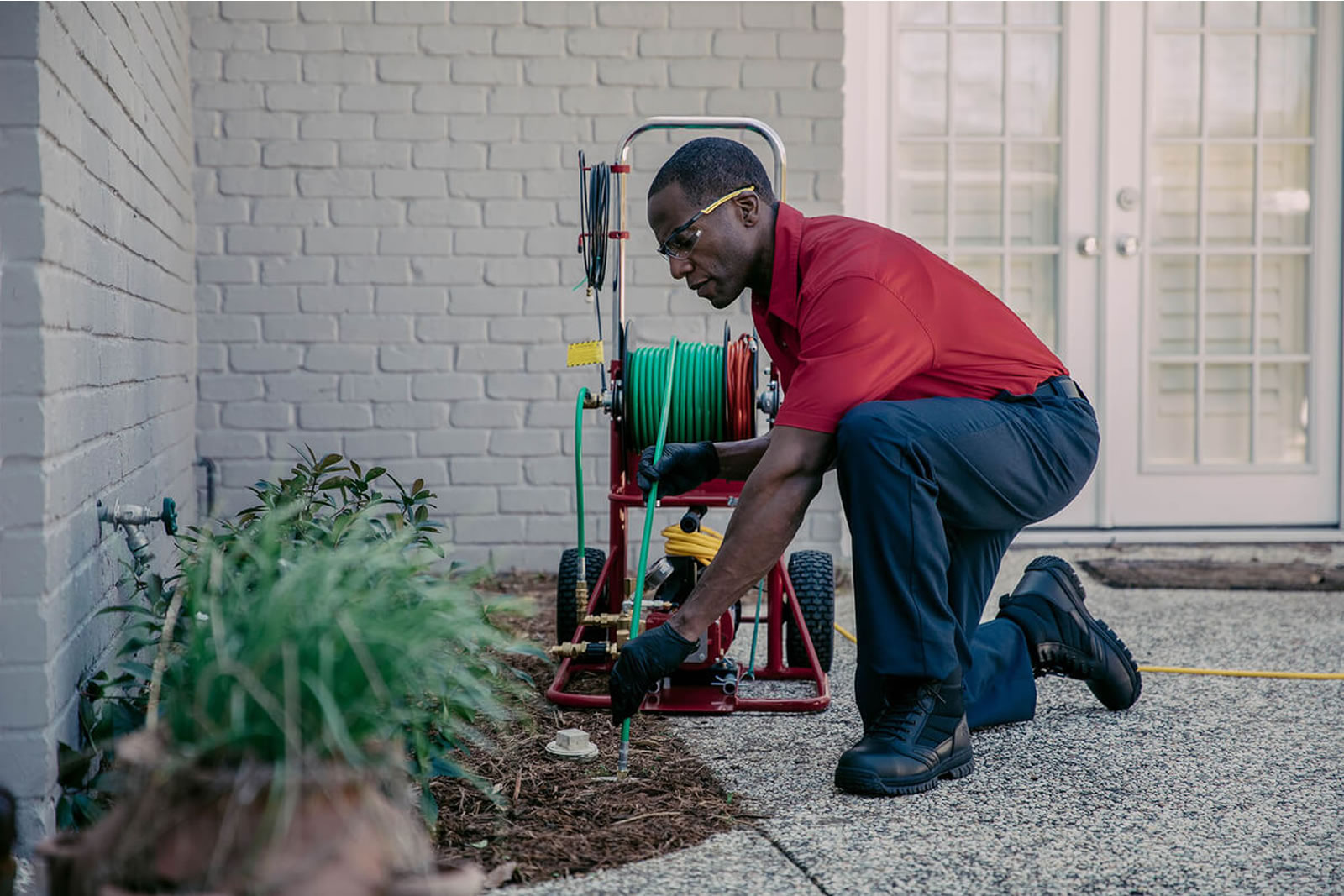
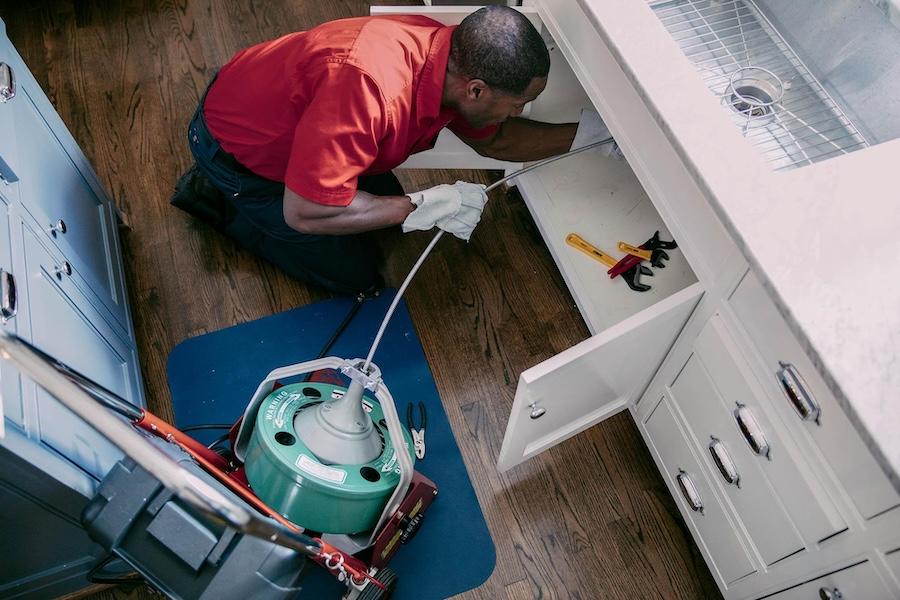
A clogged drain doesn't mean your pipes should take a beating to get things flowing again. The real skill is clearing the buildup while keeping the system intact. At Mr. Rooter Plumbing, we clean drains using methods that restore flow without stressing or wearing down the pipes. Keep reading to learn how professionals pick the right technique and why it matters for your plumbing.
Pipes weren't built to withstand brute force cleaning methods. Metal augers spun at high speeds can scrape through galvanized steel or chip away at cast iron joints. The damage starts small but compounds with each service call. What begins as minor scratching becomes grooves where debris catches and builds up faster than before.
Chemical drain cleaners create a different type of destruction. The heat generated during the chemical reaction can warp PVC connections and eat through older metal pipes. Some homeowners pour multiple bottles down the same drain when the first one doesn't work. This concentrated attack weakens pipe walls and can cause sudden failures months later. A plumbing repair service will replace these damaged sections, but prevention costs less than replacement.
Forcing tools through bends and turns puts stress on joints that weren't designed to flex. Older homes with clay or concrete sewer lines are particularly vulnerable. The pipe material becomes brittle over decades, and aggressive cleaning can crack what was already weak. Once a crack forms, tree roots find their way in, and the problem escalates from a simple clog to a full line replacement.
A drain camera gives the plumber eyes inside your pipes before any tools go in. The camera head is about the size of a golf ball, and it travels through the line on a flexible cable. It sends back real-time video that shows exactly what's blocking the drain and what condition the pipes are in. This inspection takes the guesswork out of a clogged drain repair.
The footage reveals whether you're dealing with grease buildup, tree roots, or a collapsed section of pipe. Each problem needs a different approach. Grease responds to hydro jetting, but the same water pressure could damage a pipe that's already cracked. Roots might need mechanical cutting, while a bellied pipe section needs excavation and replacement. The camera shows which method will clear the clog without causing new damage.
Camera inspections also map out the entire drainage system. The plumber sees where the main line runs, how deep it sits, and where all the connections are. This information matters when deciding between different cleaning methods. The video gets saved to a file, so you have documentation of your pipe condition before and after the work.
PVC pipes can handle hydro jetting because the material is smooth and durable. A technician adjusts the water pressure based on pipe diameter and the type of blockage. Smaller lines get lower pressure settings to prevent damaging connections. The nozzle selection also changes depending on what needs cleaning. Forward-facing jets work for pushing through clogs, while rotating heads scrub the pipe walls.
Cast iron and galvanized steel need more careful handling. These materials corrode from the inside out, especially in older homes. The plumber might start with a cable auger that cuts through the clog without applying pressure to the pipe walls. The cable diameter matches the pipe size. Using too thick a cable in a small line can wedge the tool in place or crack brittle sections.
Clay and concrete sewer lines call for the gentlest approach. Many of these pipes are 50 to 100 years old and weren't made to modern standards. A skilled professional uses a smaller cable with a retriever head that pulls debris back rather than pushing it forward. Pushing debris through old clay pipes can dislodge sections at the joints. For severe buildup in these materials, sometimes the only safe option is pipe replacement.
Cable augers work best for clogs close to the drain opening. A sink or tub that drains slowly probably has hair and soap buildup within the first 10 feet of pipe. The plumber feeds a flexible metal cable through the drain until it hits resistance. The cable spins, and the cutting head breaks up the blockage. This method removes the immediate problem without exposing the entire pipe to pressure or chemicals.
Tree roots growing into sewer lines may need mechanical cutting before any other cleaning method. Roots wrap around themselves and create dense masses that water pressure alone can't always clear. The plumber can use a root cutter attachment that spins with enough force to slice through the growth. After the bulk of the roots are removed, hydro jetting can clean the remaining debris and slow future growth by removing the film roots feed on.
Mechanical cleaning gives the plumber direct feedback through the cable. They can tell when they've broken through a clog by the change in resistance. The tactile response prevents overcutting and helps avoid pushing tools through already damaged pipe sections. A plumbing repair service in East Liverpool starts with the least invasive method and only escalates if the situation requires it.
Hydro jetting machines have adjustable pressure settings that range from 1,500 to 4,000 PSI. The plumber selects the pressure based on what the camera inspection revealed about pipe condition and blockage type. Residential lines typically get cleaned at the lower end of that range. Commercial properties with larger diameter pipes and heavier buildup might need higher settings.

The nozzle controls how that pressure gets applied. A penetrating nozzle concentrates water into a narrow jet that punches through tough clogs. Once the blockage breaks apart, they switch to a flushing nozzle that spreads water across the full diameter of the pipe. This second pass removes the loosened debris without beating on the pipe walls.
Flow rate works together with pressure to determine cleaning effectiveness. Some blockages need high pressure at low flow to cut through them. Others require lower pressure but higher flow to wash them away. A professional plumber adjusts both variables throughout the cleaning process. They monitor how the water returns through the cleanout and adjust settings if drainage slows or debris backs up into the line.
Professional clogged drain repair protects your plumbing system. The right tools and techniques clear blockages without creating new damage that leads to expensive repairs. Our team takes the time to inspect first, chooses the appropriate cleaning method for your specific pipes, and adjusts pressure and tools as needed throughout the job. Schedule your drain cleaning with Mr. Rooter Plumbing today. Our team has the equipment and experience to handle any drain issue without putting your pipes at risk.
Tired of being hit with that surprise shock of cold water in the shower before it finally heats up? Hot water is a luxury we can take for granted until it runs out, especially on the cold days of winter. Standard storage water…

Your boiler plays a crucial role in heating the water in your home and the environment in which you live. Water and steam are great heat carriers which is why boilers are such efficient ways of heating your home without causing damage to…