
Emergency Local Plumbers in Youngstown, OH and nearby cities
Emergency Local Plumbers in Youngstown, OH and nearby cities
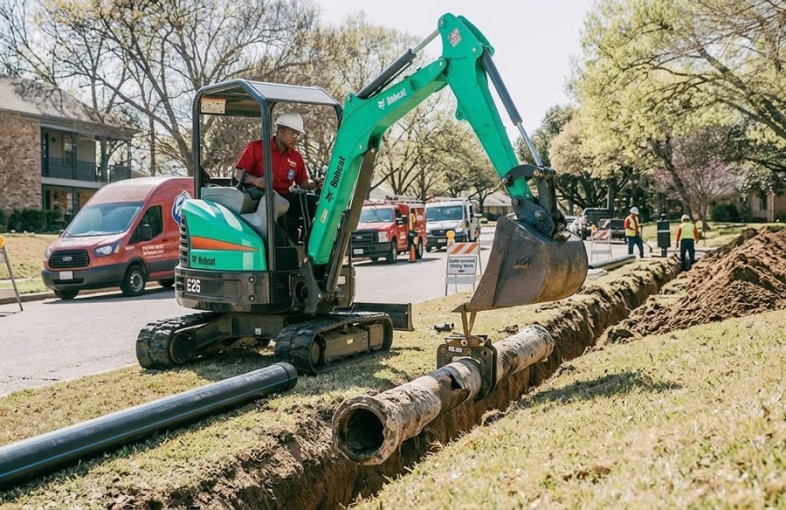
The soil surrounding a water line does as much to determine its water line lifespan as the pipe material, and most homeowners never factor that in when thinking about long-term maintenance. Mr. Rooter Plumbing diagnoses water line failures, and soil composition, acidity, and moisture levels come up in our conversations as often as pipe age does. Keep reading to see how the ground around your pipes influences how long they last and what conditions put them at the highest risk.?
Most people think corrosion starts inside a pipe, pushed along by water chemistry or mineral buildup. Outside corrosion is just as destructive. When soil pH drops below 6.5, the electrochemical reaction between the soil and the metal pipe accelerates, eating through the pipe wall from the exterior inward.
Copper and iron pipes take the worst of it. In acidic conditions, copper develops pitting corrosion, which makes it harder to detect until the pipe is already leaking. Cast iron corrodes in layers. It loses structural thickness with each passing season. A local plumber inspecting a failing line in acidic soil will frequently find exterior damage that the homeowner had no idea was happening.
Soil acidity varies by region, landscaping, and even fertilizer use. Lawns treated with sulfur-based fertilizers or homes surrounded by decomposing pine needles tend to have lower pH readings right at the surface. The acidic layer sits directly against buried pipes. Testing soil pH at the proper depth before installation gives homeowners a look at what their pipes are up against.
Clay soil holds water, and the retention creates pressure. When the ground saturates after heavy rain, clay swells. When it dries out during a drought, it shrinks and pulls away. Pipes buried in clay go through this cycle repeatedly, and the mechanical stress it generates adds up.
Rigid pipes, particularly older cast iron and galvanized steel, crack under repeated lateral pressure. Flexible materials like PVC handle the movement better, but still degrade at the joints when the ground shifts unevenly. An experienced plumber inspecting a clay-heavy yard will look for joint separation, hairline fractures, and misalignment before recommending a plumbing repair service in Sharpsville. A misaligned joint loses its seal and allows soil infiltration into the water supply.
Clay soil also compacts tightly around pipes during dry periods, which creates localized pressure points rather than evenly distributed contact. The pressure points concentrate stress at fittings and elbows, which are already the weakest sections of any line. Homes in regions with heavy clay content, like parts of the Southeast and Midwest, see this pattern repeatedly in their water line failure rates.
Sandy soil sits on the opposite end of the spectrum from clay, but it creates its own category of problems. It drains quickly, provides almost no lateral support, and shifts easily when disturbed by rain, erosion, or nearby construction. A pipe buried in sandy soil lacks the stable surrounding structure that keeps it in a fixed position.
Without support, long pipe runs gradually sag between their anchor points. Sagging creates low spots where sediment collects, water pools, and pressure concentrates. At the joints, the shifting pulls fittings apart incrementally. A joint that's off by even a small margin will leak, and that will further saturate the loose soil. This cycle ends with a water line replacement if it goes neglected.
Homes near riverbeds, coastal areas, or regions with naturally sandy topsoil face this condition frequently. Adding compacted gravel bedding during installation reduces the movement by giving the pipe a stable base.
Soil moisture doesn't stay constant, and the freeze-thaw cycle in colder climates intensifies every problem listed above. Water expands roughly 9 percent when it freezes. Saturated soil that freezes around a pipe applies direct force to the pipe wall. In severe cases, it buckles the line outright. In milder cases, it causes micro-fractures that widen gradually.
Freeze-thaw damage isn't limited to the pipe. The surrounding soil heaves upward during freezing, then settles back down during a thaw. Repeated heaving shifts the pipe position, pulls at fittings, and breaks the compacted bedding that originally supported the line. A plumbing repair service called out after a harsh winter will find multiple failure points along the same run because the entire buried section moved together.
Dry climates see a different version of this problem. Extended drought seasons cause soil to pull away from pipes and form air gaps. When heavy rain finally arrives, the soil expands rapidly back into those gaps, then strikes the pipe with force. Pipes in desert climates or areas with pronounced wet and dry seasons develop external stress fractures from this compression cycle. Monitoring soil conditions around the yard during seasonal extremes gives homeowners early warning before the damage becomes a water line replacement.
Understanding what's in your soil gives you a clearer picture of what your pipes are up against. Clay, acidity, loose sand, and moisture extremes each attack buried lines through different mechanisms, but they share the common outcomes of a shortened lifespan and higher repair costs. A qualified plumber can inspect your existing lines for external corrosion, shifting, and joint damage. If your home has aging water lines and you're not sure what soil conditions they've been exposed to, schedule an appointment with Mr. Rooter Plumbing today.
Over half of the homes in the United States use natural gas to heat buildings and water, cook, and dry clothes. Considering the risks of gas leaks for health and safety, a professional gas line installation, gas line repair, or gas line replacement…
Improperly installed plumbing can significantly damage your property and expose you to health hazards, which is why it is important to choose a trusted and reliable expert for your Youngstown plumbing service and plumbing repair. Stop searching the internet for plumbing services near…