

Emergency Local Plumbers in Youngstown, OH and nearby cities
Emergency Local Plumbers in Youngstown, OH and nearby cities
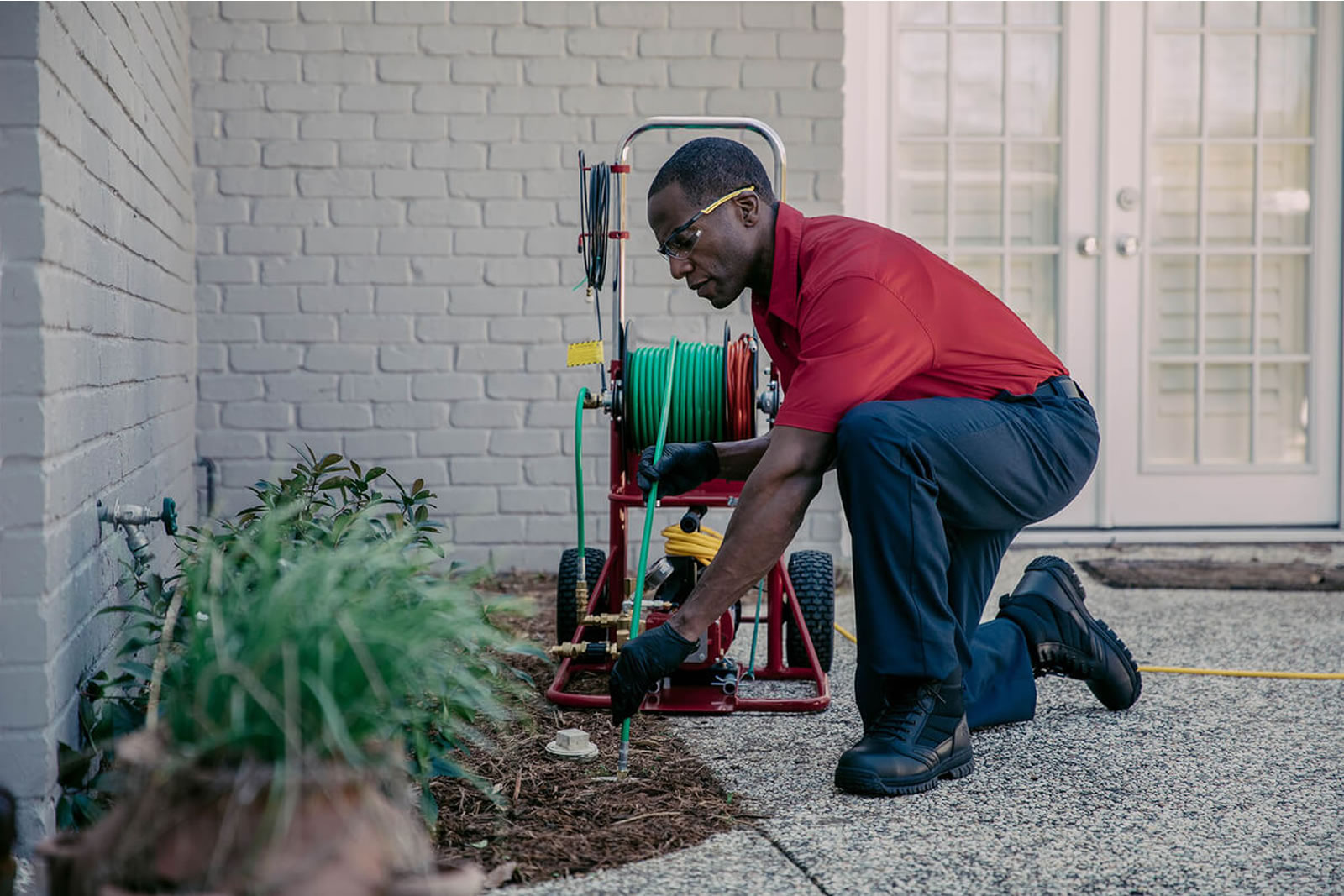
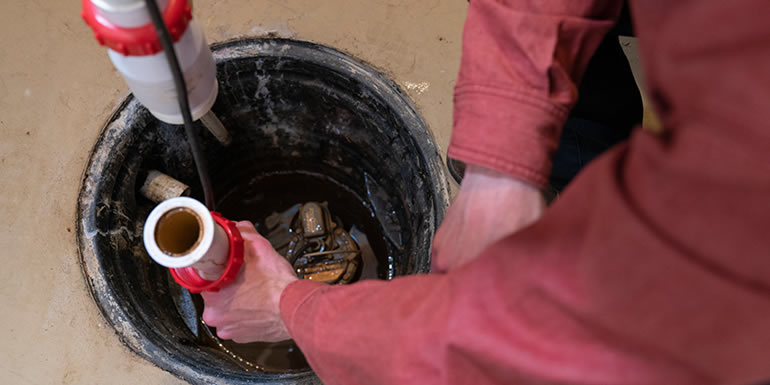
Storm season has a way of exposing every maintenance shortcut you took over the past year. Mr. Rooter Plumbing gets called out after storms by homeowners whose sump pumps failed at exactly the wrong moment, and almost every time, the failure was preventable. A little preparation before the rain starts is worth far more than an emergency call in the middle of a flood. This post walks you through exactly what to check, test, and take care of before storm season gets underway.
Fill a five-gallon bucket with water and pour it directly into your sump pit. The pump should activate within seconds, drain the water, and shut off automatically. If it doesn't kick on, hesitates, or keeps running after the water clears, you've got a problem. This test simulates real conditions without waiting for an actual storm to find out your equipment doesn't work.
Run this test twice. The first test shows whether the pump works at all. The second confirms it can cycle properly without overheating or stalling. Listen for grinding noises, rattling, or any sound that seems off compared to what you remember from last year. A healthy pump runs quietly and stops cleanly once the water level drops.
Check the outlet where your pump plugs in. Make sure it has power and the circuit breaker hasn't tripped. A dead outlet means no pump, no matter how well the unit works. Test the outlet with a lamp or a phone charger before you assume the pump is the issue. While you're at it, inspect the power cord for fraying, cuts, or exposed wire. A damaged cord is a fire hazard and won't deliver consistent power to the motor.
The float switch triggers your pump to turn on when water rises and off when it drains. If the float gets stuck, jammed, or tangled in debris, your pump won't activate, no matter how much water fills the pit. Lift the float manually and watch the pump respond. If nothing happens, the switch has failed. This is one of the most common reasons pumps don't kick on during a storm.
Debris is usually the main culprit. Small rocks, gravel, bits of insulation, or sediment can wedge underneath the float and prevent it from moving freely. Clear out anything that's blocking the mechanism and test it again. Replace the float switch if it still won't trigger after cleaning. Sometimes the internal sensor fails even when the float moves correctly, and replacement is the only fix.
Some floats hang on a vertical rod, while others sit on a tethered arm. Both designs can fail if the mounting hardware is loose or if the float cracks. Inspect the entire assembly for cracks, loose screws, or visible wear. A cracked float fills with water and won't rise when it should. If you see damage, replace the switch before the next heavy rain. Float switches are inexpensive compared to water damage, and swapping one out takes less than an hour for most homeowners.
Power outages happen during storms, and a sump pump without power is just expensive basement furniture. A battery backup system keeps your pump running when the electricity cuts out, which is exactly when you need it most. Storms knock out power lines. Without electricity, your sump pump can’t run, even as water keeps flowing toward the foundation.
These systems connect to your primary pump and take over automatically when they detect a power loss. Most residential units run for several hours on a full charge, which is long enough to get through a typical storm-related outage. If your area loses power regularly during heavy rain, a backup isn't optional. It could end up saving you from thousands of dollars in water damage.
Installation varies depending on your current setup, but most battery systems work with existing pumps. A plumber in Westhill Heights can install one in a few hours. The upfront cost beats replacing flooded carpet, drywall, and everything else that water ruins when your pump goes dark mid-storm. Battery backups also come with alarms that alert you if the system activates.
The discharge line carries water away from your foundation after the pump pushes it out of the pit. If the line is clogged, kinked, or frozen, water backs up into your basement even when the pump is running perfectly. Walk the entire length of the discharge line and look for visible damage, disconnected sections, or anything blocking the outlet.
Check where the line exits your house. Debris, leaves, mud, or ice can block the opening and trap water inside the pipe. Remove any blockage and make sure the end of the line points away from your foundation. Water should flow at least ten feet away from the house to prevent it from seeping back into the basement. If the discharge line dumps water too close to the foundation, you're just recycling the same water back into the pit.
Frozen discharge lines are a major problem in colder climates. If water freezes inside the pipe, the pump can't push anything out, and the pit overflows. Insulate exposed sections of the discharge line or bury it below the frost line if possible. Some homeowners install a freeze-prevention valve that lets water escape if the line freezes, which prevents backups but creates a wet spot in your yard. A plumbing repair service can recommend the best solution for your property and climate.
If your pump is more than seven years old, schedule an inspection now. Pumps wear out, and age alone reduces reliability. Motors burn out, impellers corrode, and seals crack after years of use. A plumbing repair service can evaluate whether your unit still has enough life left or if replacement makes more sense before you're ankle-deep in basement water.

Strange noises, inconsistent cycling, or visible rust mean something is breaking down. Don't wait to see if it holds up through one more season. A pump that starts and stops erratically is already failing, and it won't get better under the stress of continuous storm use. Emergency calls during storms cost more, and availability shrinks when everyone else's pump is also failing. Book a pre-season checkup and avoid the rush.
Sump pump installation isn't a DIY job. Improper installation causes most premature failures, from incorrect pit depth to bad discharge routing. The pit needs to be deep enough to hold water without constant cycling, and the pump has to sit level on a stable base. Hire a professional if you're upgrading to a more powerful unit, adding a backup system, or replacing an old pump. A plumber will size the pump correctly for your basement, install check valves to prevent backflow, and make sure the discharge line routes water far enough from your foundation. Getting it right the first time saves you from repeat failures and water damage.
Preparing your sump pump before storm season starts takes an hour and saves you from a disaster you don't want to experience twice. Test the pump, inspect the float, clear debris from the discharge line, and consider a battery backup if you don't already have one. Most failures happen because homeowners skip basic maintenance. A pump that worked fine last year might not make it through this season if it hasn't been checked and serviced. Mr. Rooter Plumbing offers professional sump pump installation, inspections, and repairs year-round, but pre-season appointments give you more flexibility. If your pump is old, acting up, or hasn't been serviced in years, schedule a plumbing repair service visit today.
Plumbing issues can be especially damaging for commercial locations as a clogged pipe can slow down business, stinky pipes and leaks can make customers and workers uncomfortable, and so on. At Mr. Rooter Plumbing, our commercial plumbers are licensed and certified to provide…
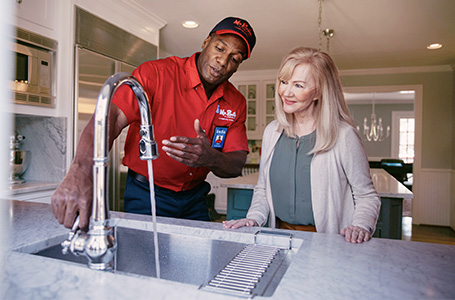
Is your kitchen in need of a quick makeover? Are you tired of struggling with a leaky or damaged kitchen sink? Get help fast by calling the professionals at Mr. Rooter Plumbing of Youngstown. Our certified plumbers are excited to offer premium residential…