

Emergency Local Plumbers in Youngstown, OH and nearby cities
Emergency Local Plumbers in Youngstown, OH and nearby cities
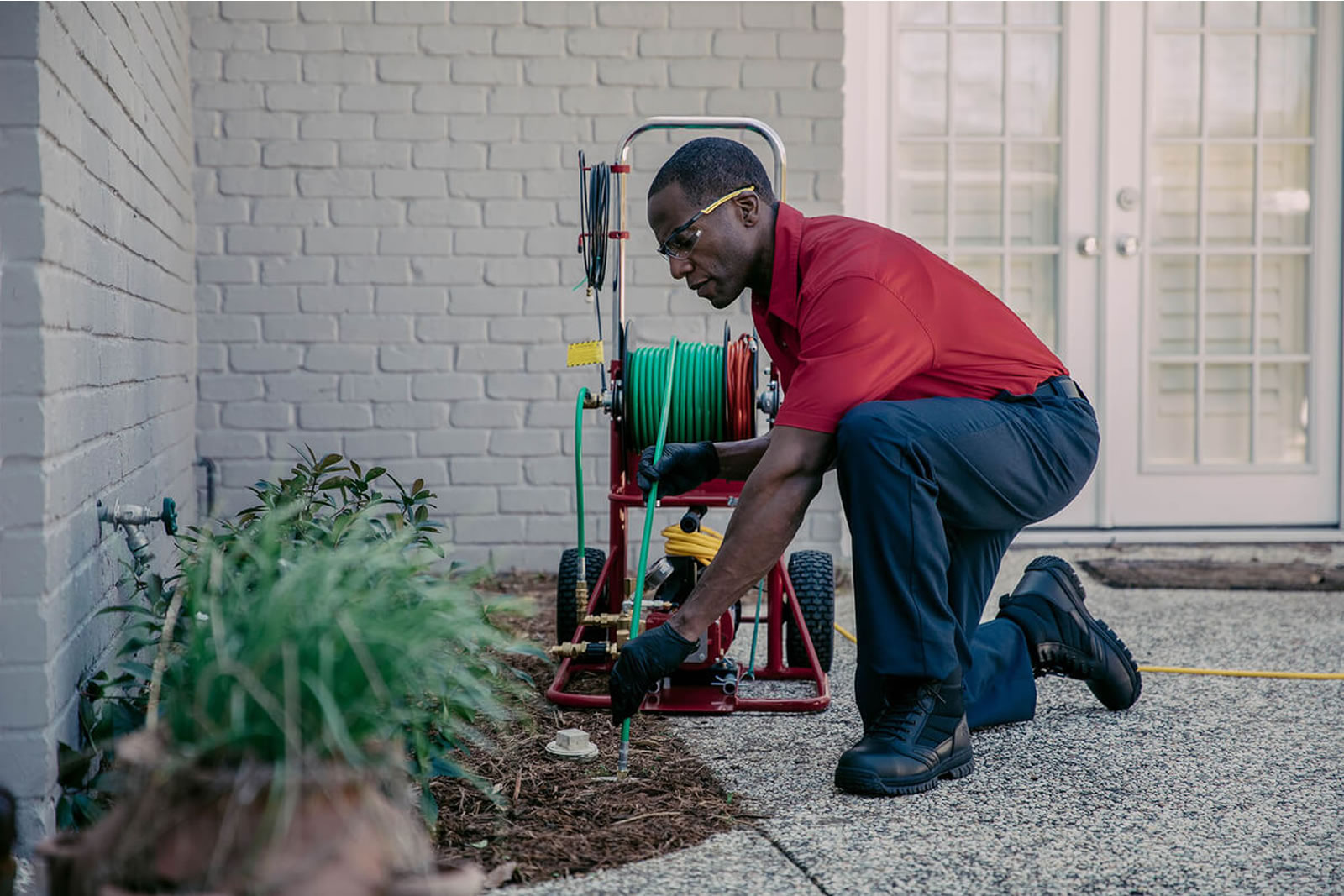
Sewer leaks can hide underground for months while they damage your yard, your foundation, and your wallet before you notice something's wrong. Knowing how to spot a hidden sewer leak early can save you thousands in repairs and prevent a small problem from becoming a full-blown disaster. At Mr. Rooter Plumbing, we've responded to too many calls that could have been caught sooner with the right warning signs in mind. Here's what to watch for so you're not caught off guard.
Your lawn can reveal more than you'd expect about what's happening below the surface. Your lawn might actually be telling you something's wrong underground. A cracked or separated sewer line lets raw sewage seep into the surrounding soil, where it works as a powerful fertilizer. The grass growing directly above the leak responds by turning greener and growing faster than everything around it. You'll notice one patch that looks almost too healthy compared to the rest of your yard. Dry spells make the contrast even more obvious. The surrounding grass goes brown while the one spot stays vibrant. Location tells you a lot. A green patch running in a line from your house toward the street probably follows the path of your main sewer line. Soggy or sunken areas in the yard are another clue some homeowners pick up on. Soil above a leaking pipe absorbs extra moisture and becomes soft or unstable. Don't dismiss these changes as random quirks in your landscaping. Your lush grass could be masking thousands of dollars in underground damage. A plumber in East Liverpool can trace the line and determine if soil saturation matches a potential leak site.
Sewage has a smell that's hard to mistake for anything else. If you catch whiffs of sulfur or rotten egg odor around your yard, near your foundation, or along the side of your home, something's wrong. A properly sealed and intact sewer system should never release gas into the open air. When you notice these smells outside, it usually means sewage is escaping through a crack or break in the line before it reaches the municipal connection. The odor may come and go depending on weather conditions, temperature, and how much water your household uses. Hot days intensify the smell, but wet conditions can temporarily mask it. Pay attention to patterns. If the odor appears strongest after running the dishwasher or doing laundry, you've got a clue about the leak's approximate location based on water usage timing. Some homeowners assume the smell comes from a neighbor's yard or a storm drain, but a persistent sewage odor near your property almost always traces back to your own system. Ignoring these smells won't make them disappear. The leak will only worsen, and eventually the odor will become impossible to overlook. A plumbing repair service can locate the source using specialized detection equipment before the problem requires a larger repair project.

A single slow drain usually points to a localized clog in that fixture's pipe. Hair in the bathroom sink, grease buildup in the kitchen drain, or debris in the shower are problems that stay isolated to one area. But when multiple drains throughout your home start moving slowly at the same time, the issue is deeper in your plumbing system. Your main sewer line collects wastewater from every fixture in your house and carries it to the municipal sewer or your septic tank. A crack, root intrusion, or collapse in this main line restricts flow for everything connected to it. You might notice your toilet gurgles when you run the washing machine. The bathtub may drain slowly while the kitchen sink backs up. These symptoms appearing together indicate a blockage or breach somewhere in the shared line. Another warning sign involves water levels in your toilet bowl. If the water rises and falls unpredictably, or if flushing one toilet causes bubbling in another, the main line is compromised. Waiting too long to fix it leads to complete backups and potential sewage flooding inside your home. Sewer repair becomes more expensive once the damage spreads to interior spaces or compromises your foundation.
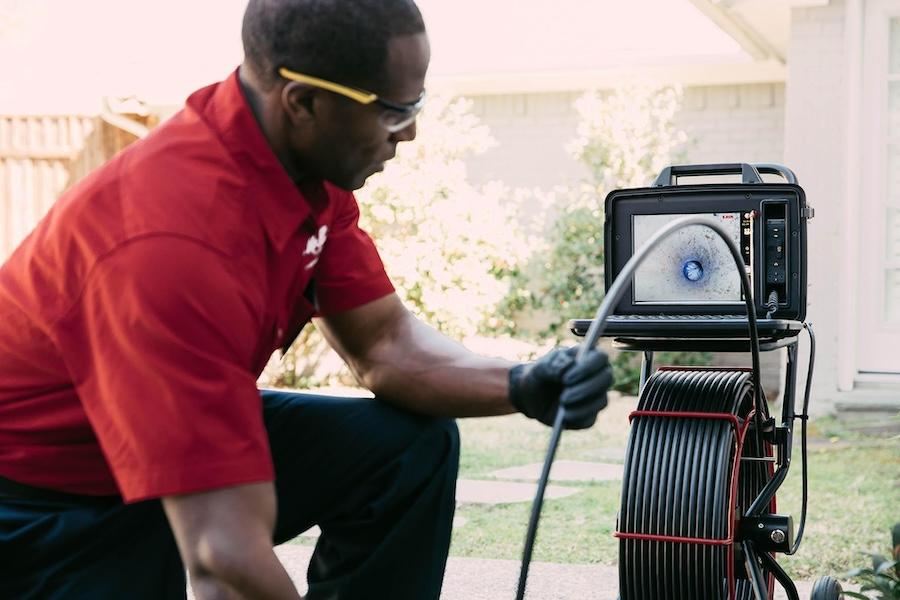
Guessing about sewer line problems wastes time and money. A professional camera inspection involves feeding a flexible, waterproof camera through your sewer line to capture real-time video of the pipe's interior. The camera shows exactly what's happening underground, like cracks, root intrusion, corrosion, bellied sections where the pipe has sunk, offset joints, and complete breaks. This visual evidence allows your plumber to pinpoint the precise location and severity of the damage without tearing up your yard first. There's no excavation required during the inspection itself. The camera just travels through the line while technicians watch a monitor above ground. Once they find the problem, they can mark the exact spot and recommend the most effective repair method. Some issues may require traditional excavation, but others qualify for trenchless sewer repair in Struthers, which minimizes disruption to your yard and landscaping. Either way, the camera inspection removes uncertainty from the process. You'll know exactly what you're dealing with before any work begins, and you won't pay for repairs you don't need. A plumbing repair service uses this technology as standard practice because it protects the homeowner from surprises later on.
Catching a hidden sewer leak early protects your home, your property, and your budget. The longer you wait, the more extensive the damage becomes, and repair costs climb, too. Mr. Rooter Plumbing has the tools, training, and experience to diagnose sewer problems quickly and accurately. Our technicians use camera inspections to see exactly what's wrong. Contact our team today to schedule an inspection.
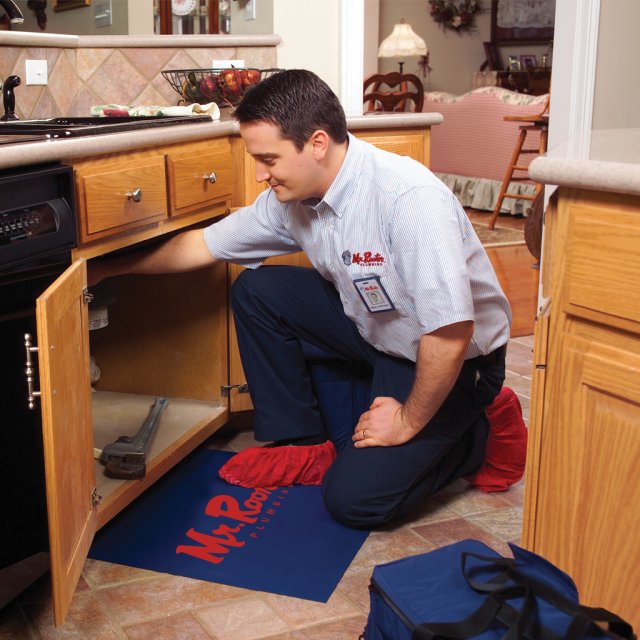
Reliable Garbage Disposal Services A garbage disposal installation is a great way to prevent some common clogs in your kitchen drains. Garbage disposals are attached underneath your kitchen sink and are designed to collect and grind solid food waste into tiny, disposable bits.…
The condition of your drains is probably one of the last things on your mind up until your drains clog, smell, or leak then, they are incredibly hard to avoid. Drain problems can result in a stinky environment, excess water usage, and significant…