
Emergency Local Plumbers in Youngstown, OH and nearby cities
Emergency Local Plumbers in Youngstown, OH and nearby cities
A persistent musty smell in your home is easy to write off as a ventilation issue or an old house quirk, but hidden moisture from leaks behind walls or under floors can go unnoticed for a long time while mold takes hold. Mr. Rooter Plumbing is here to help. Water leak detection can offer a clear diagnosis and the right solution. Catching issues early keeps the repair manageable and protects your home from more severe damage. Keep reading to find out what that smell might be telling you and what to do about it.
Mold doesn't need much to get started. A slow drip from a supply line, a pinhole in a copper pipe, or a compromised seal around a drain fitting creates just enough moisture to start the process. Within 24 to 48 hours of sustained dampness, mold spores that are already present in any home environment start to colonize. By the time you notice a smell, the colony is likely already established.
The materials inside your walls accelerate the problem. Drywall absorbs and holds moisture while wood framing swells and softens. Both give mold something to feed on. Flooring compounds this because water migrates under laminate, vinyl plank, and hardwood before warping the surface enough to see it from above. The musty odor you detect is the byproduct of mold metabolizing organic material, which means the smell is evidence of active growth.
Professional water leak detection pinpoints the source before remediation can begin. Without locating the leak first, any mold cleanup is incomplete. The moisture returns, the mold returns, and the damage continues accumulating.
Not every leak carries the same urgency, but all of them cause damage at some rate. A slow drip from a supply line connection might lose less than a gallon per day, but if directed at drywall or subfloor material, it can saturate the area within days. A failed pipe joint or corroded section can release a lot more water in a short period and overwhelm surrounding materials quickly. Watch for:
A licensed plumber in Bolindale can distinguish between these scenarios during an inspection. The location of the smell, the pattern of water staining, and pressure testing all point toward the type of failure involved.
Mold reaches visible colony size within 48 to 72 hours under the right conditions. Drywall and particleboard begin breaking down after several days of saturation. Wood framing can sustain damage that compromises load-bearing ability after exposure.
Waiting several days to schedule a plumbing repair service inspection after noticing a musty smell usually leads to higher remediation costs alongside repair costs. Insurance policies vary in how they handle water damage, but most require documentation that the leak was fixed promptly. Delayed reporting can reduce or eliminate coverage for secondary damage.
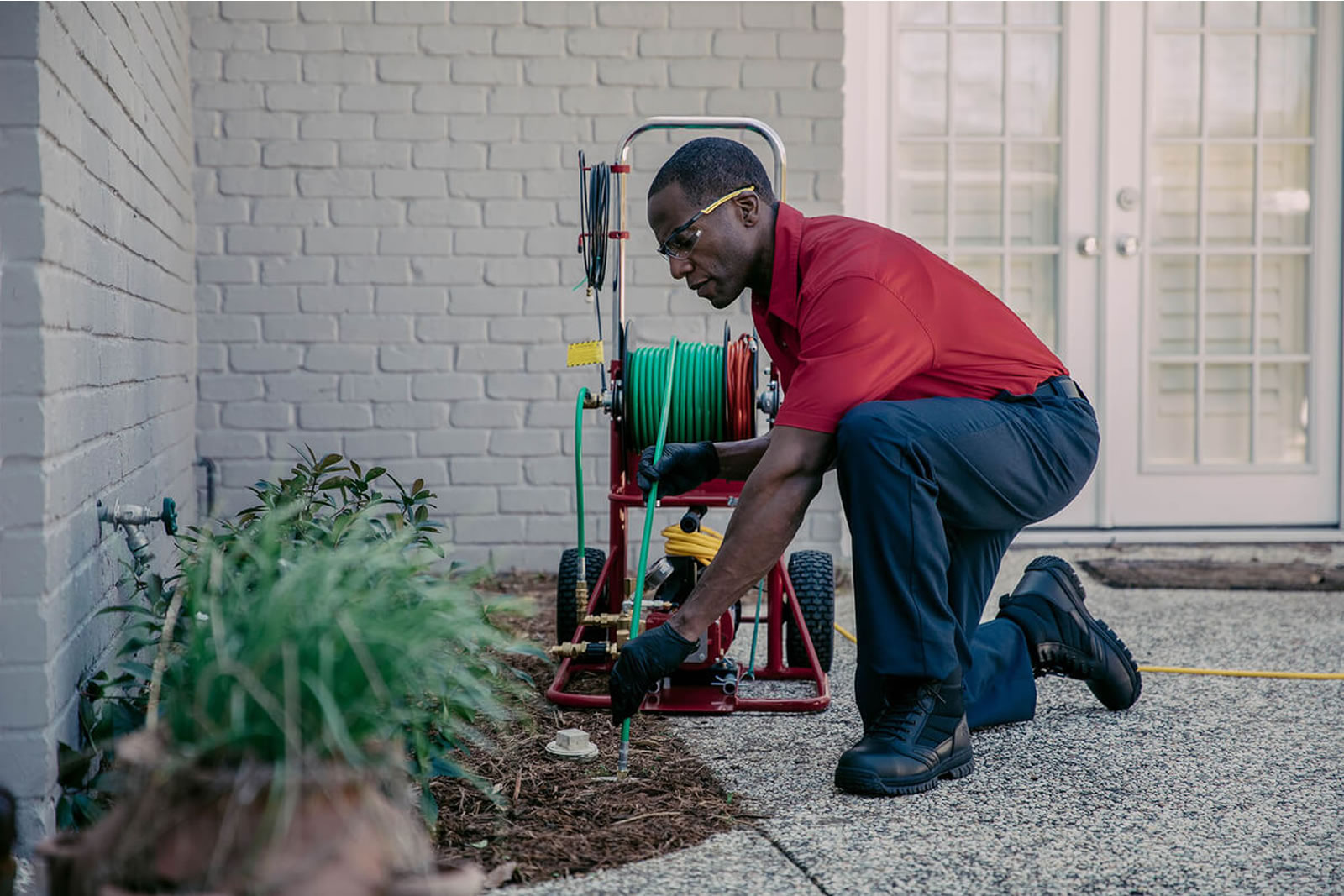
If you notice a musty smell concentrated in one area, check your water meter. Shut off all water-using appliances and fixtures, then watch the meter dial for two minutes. Movement indicates active flow somewhere in the system. That result, combined with the odor, is enough reason to schedule water leak detection the same day rather than wait.
Modern water leak detection uses acoustic sensors, thermal imaging, and pressure testing to pinpoint a leak without opening every wall in the affected area. Once the source is confirmed, the repair options become more specific. A single corroded fitting requires different solutions than a section of deteriorated supply line. An experienced plumber will outline both.

For leaks behind walls, access panels, or targeted drywall cuts allow direct repair without gutting an entire room. Slab leaks may require saw-cutting concrete to reach the pipe, or rerouting the line through accessible areas instead, depending on the pipe's condition and location. A reputable plumbing repair service will explain both options and the tradeoffs involved before work begins.
Once the pipe is repaired and pressure-tested, drying the affected area is the next step. Mold remediation, if needed, follows after the moisture source is confirmed closed. Repairing drywall, flooring, or framing comes last. The sequence matters because restoring surfaces before the structure dries completely traps moisture inside and restarts the cycle.
Mr. Rooter Plumbing provides water leak detection and plumbing repair service options for this type of situation, from the initial diagnosis through the completed repair. Contact a plumber on our team to schedule an inspection and find out what's behind the smell.
Your boiler plays a crucial role in heating the water in your home and the environment in which you live. Water and steam are great heat carriers which is why boilers are such efficient ways of heating your home without causing damage to…
Professional Water Heater Services in Youngstown Nothing can amplify the shivers of the winter cold like the lack of hot water in your home or business. A malfunctioning or broken water heater can be the cause of great discomfort for your guests or…