
Emergency Local Plumbers in Youngstown, OH and nearby cities
Emergency Local Plumbers in Youngstown, OH and nearby cities
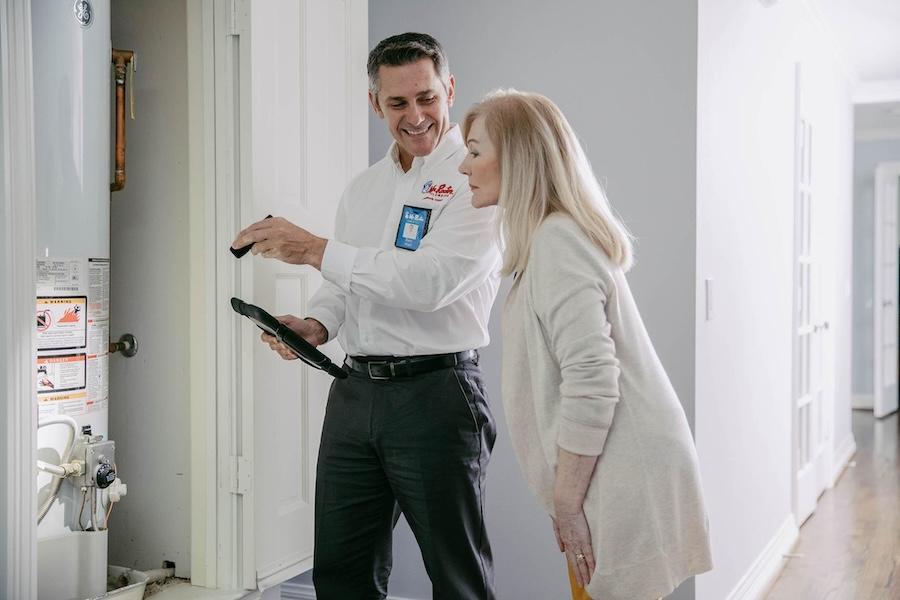
Most water heaters don't announce their failure in advance. They just stop working, usually at the worst possible moment, and leave you dealing with cold showers or water damage on top of an emergency repair bill. Knowing when to replace your water heater before that happens saves you money, stress, and a very unpleasant morning. Mr. Rooter Plumbing is here to help. Read more, and we'll walk you through the warning signs, the options, and how to know when proactive replacement makes financial sense.
A tank water heater is built to last 8 to 12 years. That's the industry benchmark, and most manufacturers set their warranties accordingly. If you push a unit past that window, you're rolling the dice on a breakdown and running a less efficient appliance that costs more to operate every month.
Tankless water heaters have a longer runway, typically 15 to 20 years with proper maintenance. A unit installed in a home with hard water and skipped annual flushes may reach the end of its useful life years ahead of schedule, while a well-maintained heater in a low-demand household can outperform the average.
The serial number on your unit tells you the manufacture date, and most manufacturers encode it in the first few characters. If you don't know how old your water heater is, find the label and look it up. Your plumber can decode it during any routine service call.
Some warning signs are obvious, but others are easy to dismiss until they compound into an emergency. Here's what to watch for:
Any one of these warrants a call to a plumbing repair service in Struthers, OH. Two or more together, especially in a unit older than eight years, is a strong signal that replacement will cost you less than continued repairs.
The standard rule of thumb in the industry is the 50% rule. If a repair costs more than half the price of a new unit, then replacement makes more sense. That calculation gets sharper when you factor in the age of the appliance. Paying $400 to fix a seven-year-old water heater might be reasonable. Paying the same amount on a unit that's already twelve years old is harder to justify.
Emergency repairs can come with extra costs. Water damage from a failed tank can run into thousands of dollars, depending on where the unit is located and how quickly the leak is caught. A proactive water heater replacement scheduled on your timeline eliminates that risk.
Ask your plumber for a written estimate that breaks out parts and labor separately. That lets you compare the repair cost directly against the installed price of a new unit rather than working from rough numbers.
If you're already facing a water heater replacement, it's worth deciding whether a traditional tank unit or a tankless system fits your household better. Tank heaters cost less upfront and are simpler to install in most existing setups.
Tankless heaters cost more at installation, depending on whether your home needs electrical or gas line upgrades to support the unit. The payoff is worth it, though. Tankless systems will heat the water on demand rather than maintaining a full tank at a constant temperature around the clock, which cuts energy use by 20 to 30 percent for most households.
A household with two people and low peak demand is a reasonable candidate for tankless. A larger household running multiple showers and appliances simultaneously needs either a high-capacity tankless unit or a properly sized tank system. A plumbing repair service can check your actual peak demand and recommend accordingly.
Hard water accelerates the deterioration of a water heater faster than almost any other factor. Calcium and magnesium deposits settle at the bottom of the tank and form a layer of sediment that insulates the water from the burner. The unit has to run longer and hotter to compensate, which puts mechanical stress on the heating elements and the tank lining.

Annual flushing removes that sediment before it hardens. If a unit goes several years without being flushed, the sediment can calcify into a solid layer that's no longer removable through standard maintenance. At that point, the damage is already done.
Installing a water softener upstream of the heater extends the life of the unit and protects other plumbing fixtures at the same time. If you live in an area with hard water and haven't taken those steps, assume your water heater is aging faster than the calendar suggests.
Is your water heater past its warranty window, showing visible symptoms, or costing more to maintain than it's worth? Waiting for a complete failure trades a planned expense for an emergency one, and could add water damage to the bill. Schedule an inspection with Mr. Rooter Plumbing before your unit reaches that point. A plumber will inspect the condition of your current system, give you a clear comparison of repair versus replacement costs, and help you choose the right unit for your household's needs. When it's time for water heater replacement, we'll make sure you get the right system installed correctly.
Professional Water Heater Services in Youngstown Nothing can amplify the shivers of the winter cold like the lack of hot water in your home or business. A malfunctioning or broken water heater can be the cause of great discomfort for your guests or…
Water damage can be costly to repair. Rotting wood, mold, mildew, and rust are just some of the results of water damage, but they can be avoided. Aside from proper control and maintenance of water pipes and sinks, waterproofing is a great way…