

Emergency Local Plumbers in Youngstown, OH and nearby cities
Emergency Local Plumbers in Youngstown, OH and nearby cities
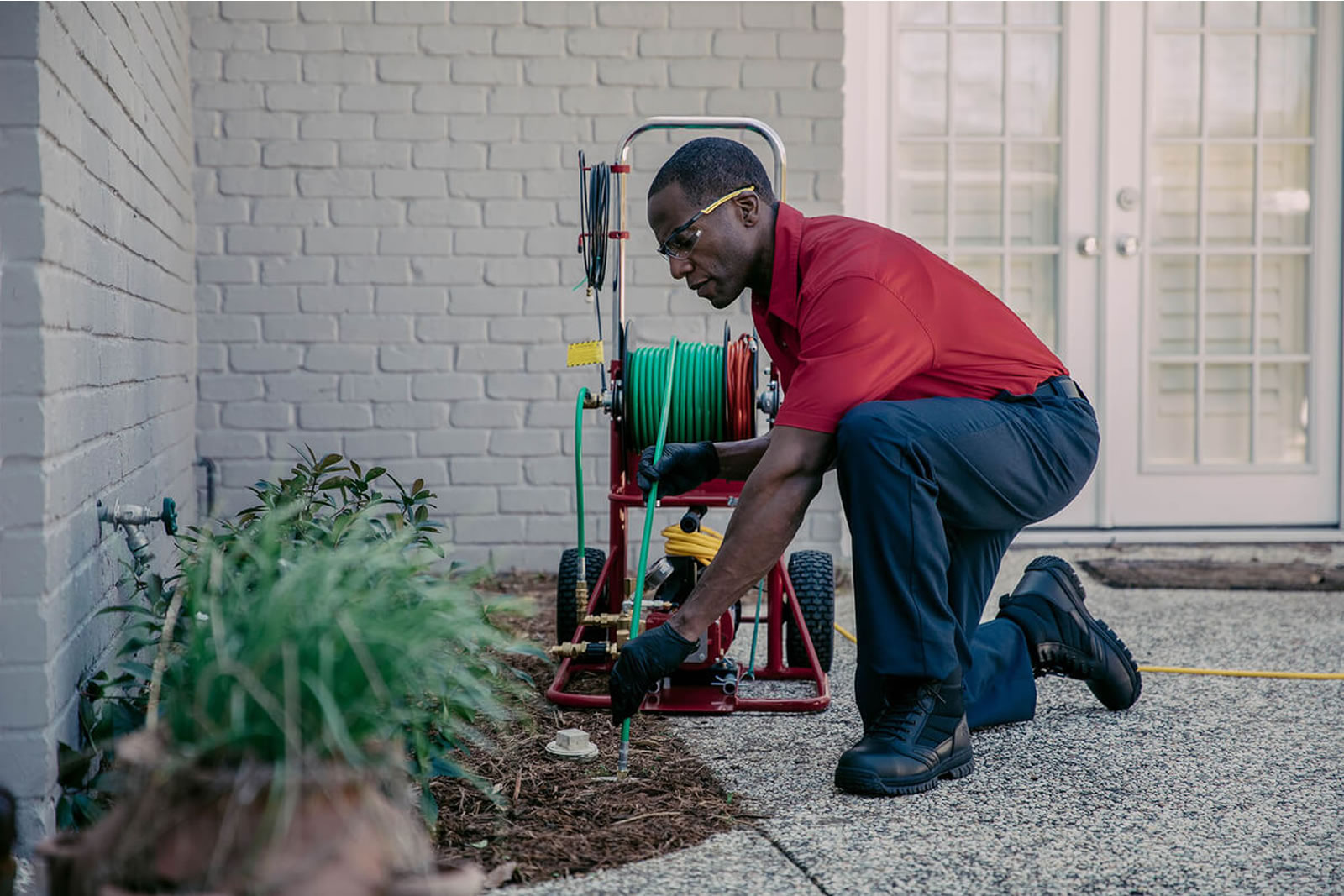
Homeowners spend years fixing the same leaks and dealing with sluggish drains before finally admitting a remodel was smarter all along. Mr. Rooter Plumbing has seen it happen again and again. Knowing the signs you should invest in a kitchen remodel helps you make that call before you're stuck with water damage or a full pipe failure. Keep reading for the red flags worth paying attention to.
A single leak under your faucet or near your supply lines can be a simple fix. You tighten a connection, or replace a washer, and move on with your week. But when the same leak shows up again a few months later, something else is going wrong. Persistent leaks can point to corroded fittings, deteriorated seals, or pipes that have thinned from the inside out. Temporary fixes really just buy you a little time while the underlying damage continues. Water finds new paths, joints get weaker, and the cabinet floor beneath your pipes starts to warp. All those repairs add up. At some point, you end up spending more on patches than a real fix would've cost. A plumber can confirm whether the issue is from one faulty component or a system that's worn out. Remodeling gives you the chance to replace aging supply lines, install modern shut-off valves, and eliminate the weak points that keep causing trouble. One well-planned project beats a decade of weekend repairs.
Homes built before the 1970s may still have galvanized steel pipes running through the walls. These pipes corrode from the inside. Rust builds up in layers and restricts water flow. You'll notice reduced pressure at the faucet, discolored water when you first turn on the tap, and a metallic taste that won't go away no matter how long you let the water run. Polybutylene pipes, which were installed in many homes from the late 1970s through the mid-1990s, come with a different risk. The material degrades when exposed to chlorine and other common water treatment chemicals. Microfractures develop along the pipe walls and eventually lead to sudden bursts. Insurance companies have denied claims related to polybutylene failures because the material's defects are well-documented. If your kitchen still relies on either of these pipe types, a remodel is a necessary infrastructure upgrade. Replacing old pipes during a kitchen renovation costs less than tearing into finished walls after a flood. You also get the opportunity to reroute lines for better access and add shut-off valves in convenient locations.

Water stains on the ceiling below your kitchen or along the base of your cabinets tell you that moisture has been escaping for a while. By the time you see discoloration, the damage has already spread beyond the visible area. Drywall absorbs water and holds it against framing members. Wood studs and subfloor panels begin to rot. Mold colonies establish themselves in dark, damp cavities where they can grow for months without detection. Soft spots in the flooring near your sink indicate that the subfloor has started to break down. Walking across that section compresses weakened material that should be rigid. A plumbing repair service can take care of the leak, but the surrounding damage requires more extensive work. Removing compromised flooring, replacing rotted subfloor panels, and treating or removing mold-contaminated materials all become part of the project. At that point, you're already halfway into a remodel. Finishing the job means you walk away with a kitchen that's structurally sound and free from hidden moisture problems.
Track what you've spent on kitchen plumbing over the past three to five years. Include every service call, replaced component, and hour you've personally invested in weekend fixes. Many homeowners find out that the costs add up to a large percentage of what a targeted remodel would run. The difference is that repairs maintain a deteriorating system while a remodel replaces it. A new plumbing repair service in Lisbon, OH visit every few months means you're managing decline rather than solving the problem. Each repair fixes one failure point but leaves dozens of others intact. Supply lines, drain assemblies, shut-off valves, and connections all age at similar rates. When one part fails, the others aren't far behind. A kitchen remodel lets you replace the entire system at once. You select modern materials rated for decades of service, position fixtures exactly where you want them, and install proper venting that prevents drain problems from developing in the first place. The money you spend goes toward lasting improvements. Kitchen sink repair bills stop piling up because you've eliminated the conditions that caused them.
Recurring leaks, outdated pipe materials, visible water damage, and mounting repair costs all point to the conclusion that your plumbing has reached the end of the road. Continuing to patch individual problems delays the inevitable and increases your total spending. A well-executed remodel takes care of every weak point in one project. You gain a functional kitchen and a plumbing system that won't demand your attention every few months. Mr. Rooter Plumbing is ready to help you evaluate your kitchen's current condition and plan the upgrades that make sense for your home. Our plumbers can handle everything from initial assessments to complete pipe replacements. Contact us today to schedule an inspection and find out if a kitchen remodel belongs on your calendar this year.
Is your kitchen in need of a quick makeover? Are you tired of struggling with a leaky or damaged kitchen sink? Get help fast by calling the professionals at Mr. Rooter Plumbing of Youngstown. Our certified plumbers are excited to offer premium residential…
Are you looking for ways to improve the property value of your home or business? Have you been struggling with a leaky bathroom sink, overflowing toilet, or slow-draining bathtub? Then get the help you need today. At Mr. Rooter Plumbing of Youngstown, we…