

Emergency Local Plumbers in Youngstown, OH and nearby cities
Emergency Local Plumbers in Youngstown, OH and nearby cities
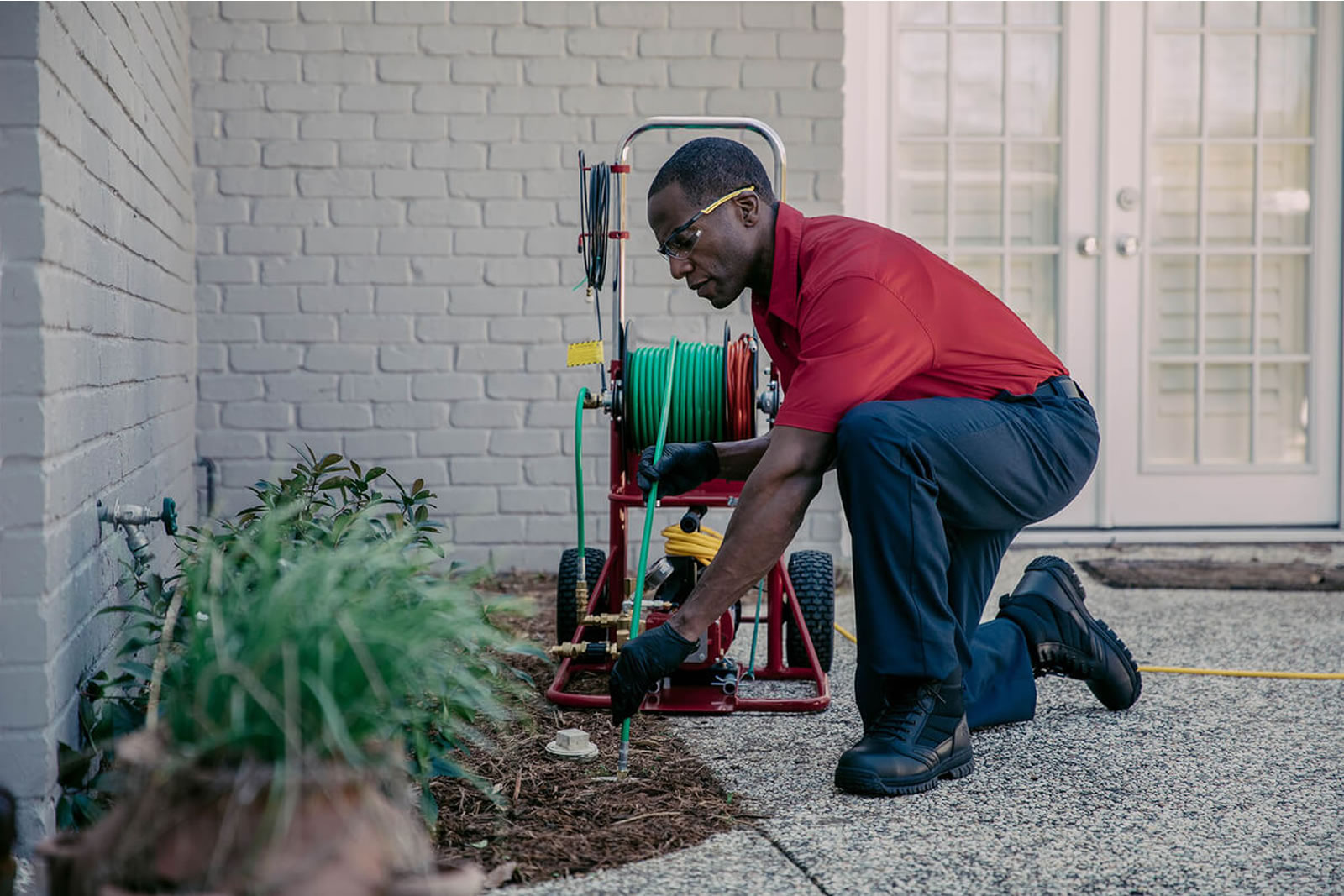
A small leak has a way of getting put on the back burner. If it's not causing obvious damage, there always seems to be something more pressing to deal with. But small leaks rarely stay small, and Mr. Rooter Plumbing has seen firsthand what happens when a minor drip gets ignored long enough to become a serious problem. Understanding what's happening inside your pipes when a leak is neglected changes the way you think about acting on it. Keep reading to find out what's at stake and why sooner is always better than later.
A dripping pipe under the sink or a slow seep at a joint rarely appears out of nowhere. In most cases, it signals something happening deeper in the system, like corrosion working through the pipe wall, a fitting that has loosened over years of pressure cycling, or a section of pipe that has already begun to weaken.
Older homes with galvanized steel pipes are especially vulnerable. Corrosion in galvanized pipe starts from the inside, narrows the interior diameter, and creates rough spots where pressure builds unevenly. By the time a pinhole leak appears on the outside, the pipe may be deteriorating along several inches or more of its length. Ignoring it means ignoring the whole picture.
A plumber can evaluate the visible leak as well as the condition of the surrounding pipe. The assessment determines whether a targeted repair makes sense or if a section of pipe needs to come out. Calling for a plumbing repair service early gives you options. Waiting until the pipe fails removes most of them.
Water that escapes a pipe inside a wall doesn't evaporate quickly. It absorbs into drywall, insulation, and wood framing. In those conditions, mold can begin colonizing a surface within 24 to 48 hours. Once mold takes hold in a wall cavity, it spreads along the moisture path and becomes expensive to remediate.
The problem with wall leaks is that they go undetected for weeks or months. A slow drip from a supply line or a pinhole in a copper elbow may not show up as a stain or a soft spot until mold has already spread across several square feet of framing. By then, you're looking at mold remediation on top of the original repair, which can push costs higher than taking care of the leak when it first appeared.
Visible mold growth, a musty odor in a specific area of the house, or unexplained respiratory irritation are signs worth investigating. A dependable plumber can locate the leak source using moisture meters and camera inspection rather than cutting into walls at random. Getting ahead of it protects the structure and the air quality of the house.
Wood and water are a destructive combination when exposure is sustained. Framing lumber and subfloor panels that stay wet for extended periods lose structural integrity, develop rot, and attract wood-boring insects. A leak that runs undetected for several months can compromise floor joists to the point where they need to be sistered or replaced, which turns a plumbing repair into a carpentry project.
Subfloor damage is particularly common under bathrooms and kitchens, where supply lines and drain connections run in close proximity to structural wood. A slow leak at a toilet supply valve or under a dishwasher doesn't always make itself visible at the surface. The water travels down along the subfloor and soaks into the joists below, where it sits. Once the floor develops a soft spot, the rot is already advanced.
The cost difference between a simple plumbing repair service call and a job that includes subfloor replacement and structural repairs can be substantial. Catching a leak before the surrounding wood reaches the saturation point is the deciding factor between the two outcomes.
A leaking pipe is under stress at the point of failure. Water pressure cycles throughout the day as fixtures open and close, and each pressure spike pushes against the weakened area. Eventually, corrosion, mineral buildup, or mechanical fatigue enlarges the failure point until the pipe can no longer hold pressure and ruptures completely.
Cold weather accelerates the timeline. Water inside a pipe that is already compromised can freeze and expand during a cold snap, and apply enough internal force to split the pipe at the weakest section. In those cases, what was a manageable drip becomes a broken pipe replacement job, along with water damage to everything in the surrounding area. Walls, flooring, cabinetry, and stored belongings all become collateral damage within minutes of a pipe letting go.

A pipe that leaks slowly for weeks creates conditions that compound on each other. Moisture accumulates, materials degrade, and the original failure point continues to worsen. What starts as a minor repair can involve drywall removal, mold remediation, structural repairs, and broken pipe replacement before it's resolved.
Insurance claims for water damage are time-sensitive as well. Many policies require that damage be reported promptly and that reasonable steps be taken to prevent further loss. A homeowner who knew about a leak and did nothing may find that the insurer disputes part of the claim on those grounds. Documentation matters, and so does the timeline.
Schedule a plumbing repair service call when the leak first appears. A qualified plumber can determine what's failing, how far the damage has progressed, and what the repair involves. Mr. Rooter Plumbing is ready to help. Give us a call today to schedule your appointment.
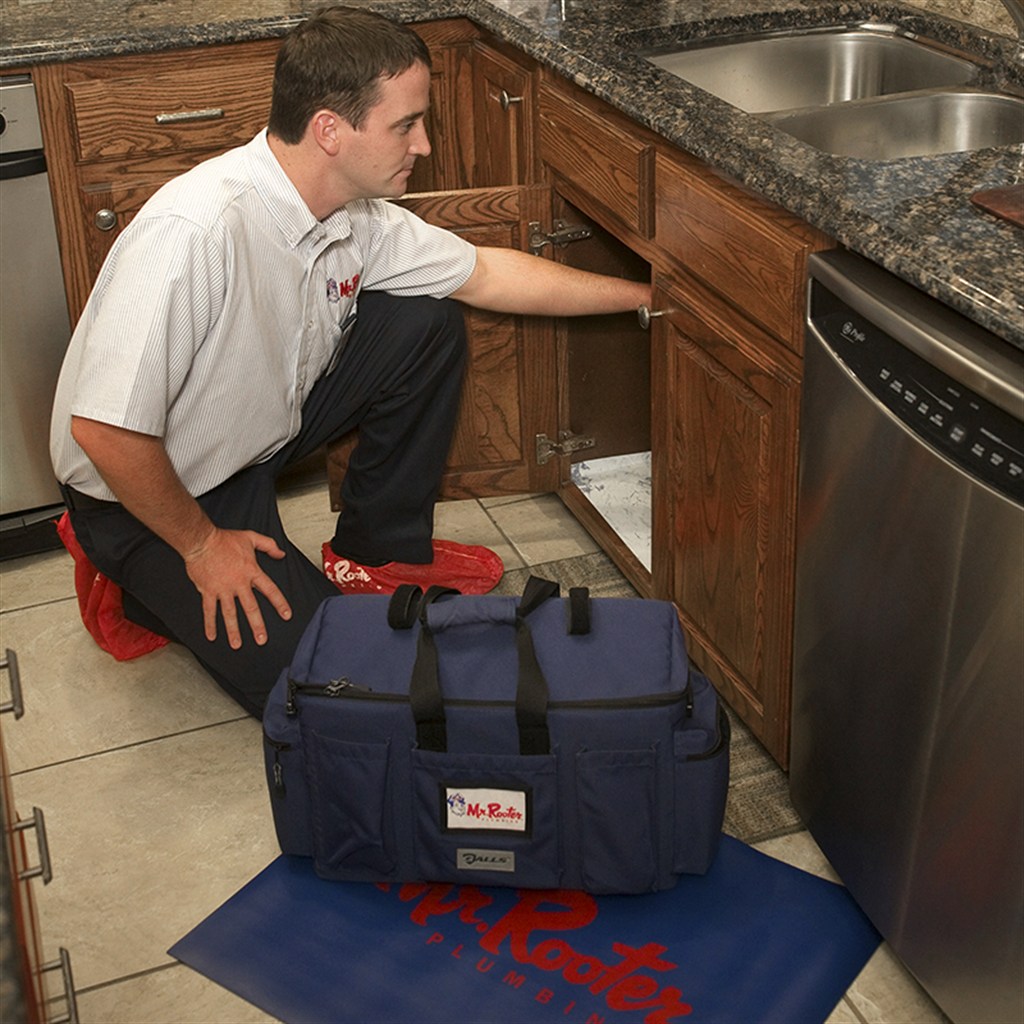
Kitchen plumbing in Youngstown is especially sensitive considering the kitchen is where we prepare and eat food. This is why you should be mindful of the plumbing system and look out for leaks and sniff for odd smells coming from drains. For reliable…
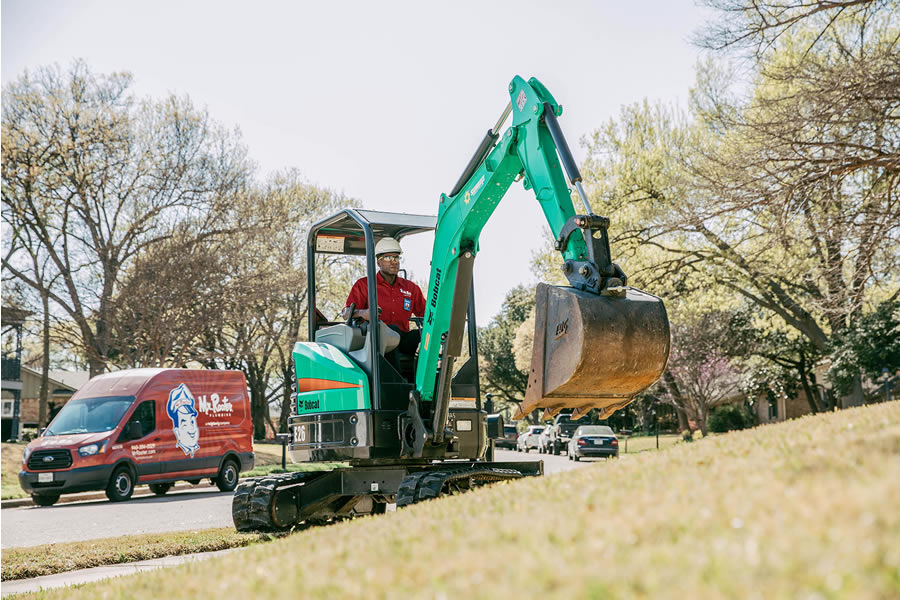
Issues with your sewer system can be a real stink. Luckily, homeowners and businessowners in Youngstown have a reliable and affordable sewer repair plumber in Youngstown available around the clock. Mr. Rooter Plumbing is happy to offer its licensed and professional services. If…