
Emergency Local Plumbers in Youngstown, OH and nearby cities
Emergency Local Plumbers in Youngstown, OH and nearby cities
It’s common for homeowners to feel unsure about whether a problem is routine or urgent. At Mr. Rooter Plumbing, we can help with both kinds of calls. A slow drain or a worn fixture can wait for a planned appointment, but emergency plumbing is needed when water threatens your home or puts your safety in danger. Stress makes it tough to judge the situation as it unfolds. Keep reading to find out exactly what sets the two apart.
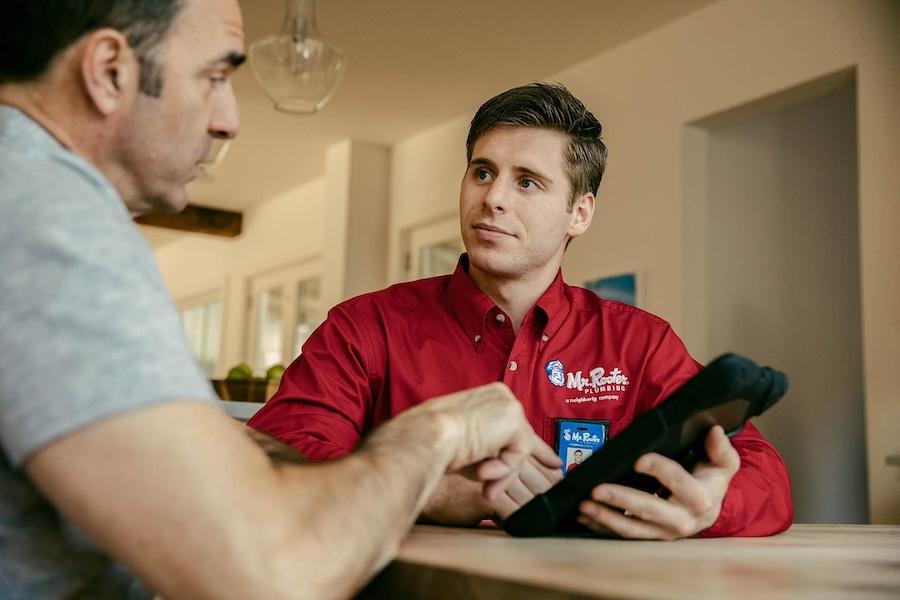
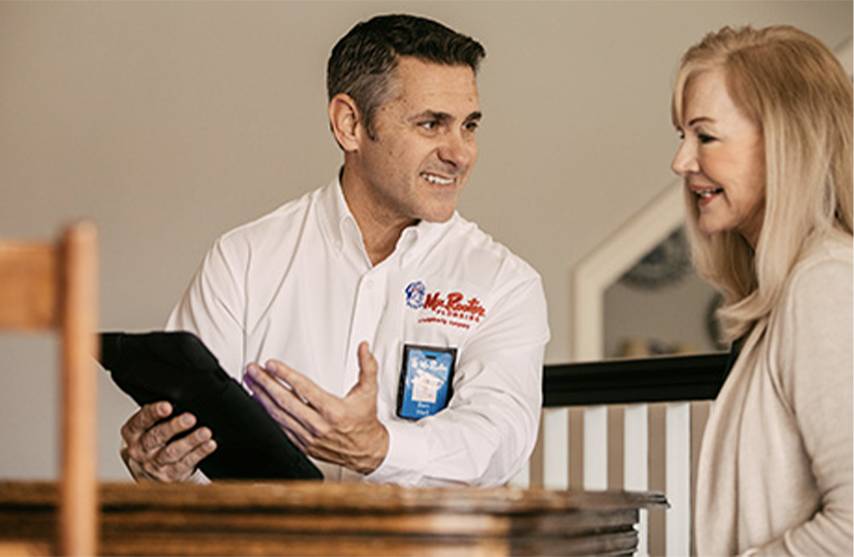
Regular service calls take care of the problems that come with daily use. These issues normally sit in the background and don't demand action right away. A worn-out faucet or a drain with a sluggish pull falls into this category. So does a toilet that needs a new fill valve or a washing machine hose that needs replacement. These visits give you a chance to handle repairs with a clear head. You can look at your schedule, find a time that works, and discuss your plans in-depth before work starts. Homeowners call for a plumbing repair service when a fixture needs attention, but there's no threat to the home in the meantime. A plumber can look over the system, show you what failed, and take care of the repair. Work like this supports the long-term health of your plumbing system. The more you stay ahead of wear, the fewer surprises you’ll deal with down the road. Many homeowners use routine visits to build a relationship with a service team so they already know who to call when something unexpected happens. You'll know the system is looked after, and you understand the condition of the parts behind the walls and under the fixtures.
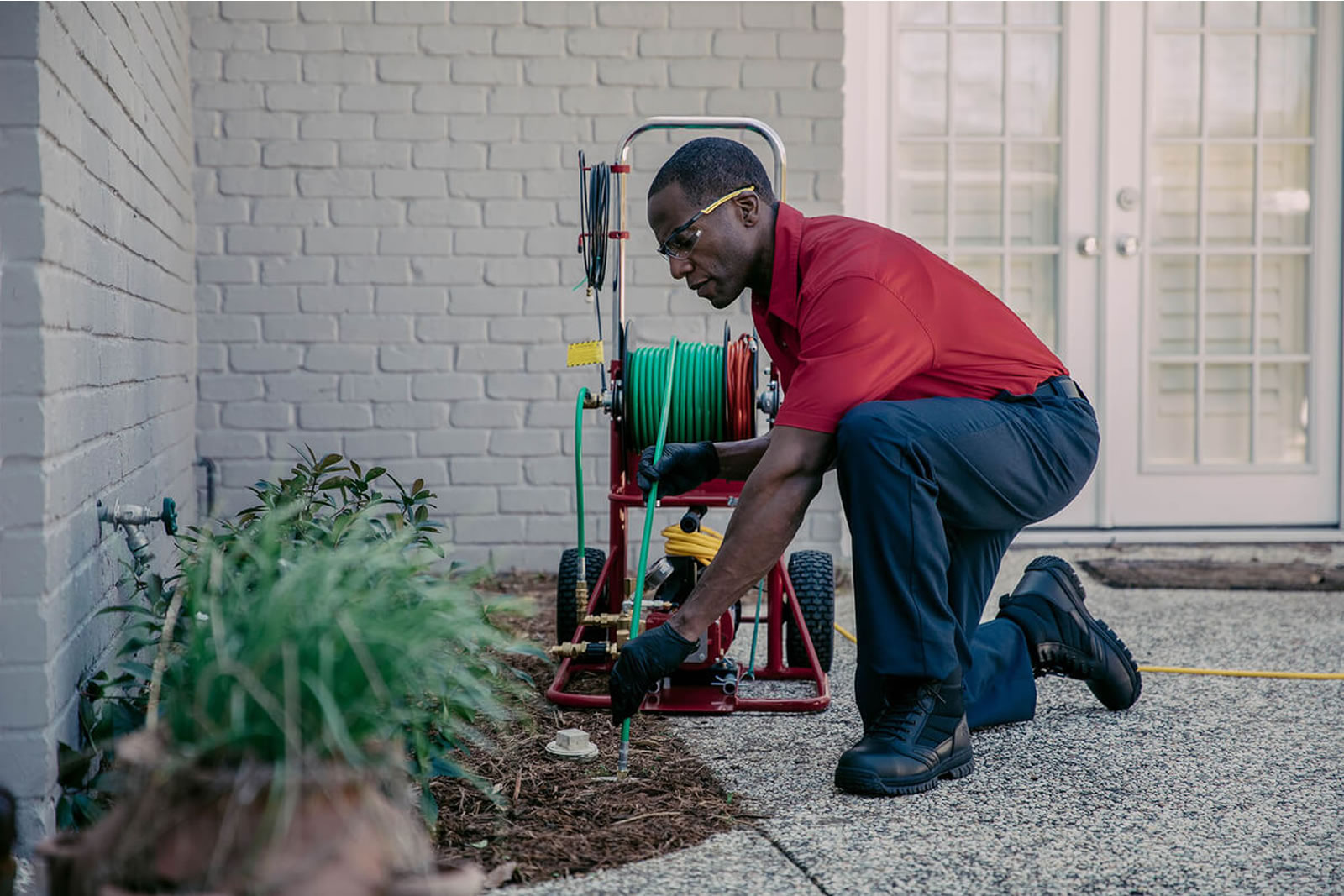
Things change fast once water goes the wrong way. It can slip into cabinets, crawl spaces, and drywall before anyone knows what's happened. During a plumbing emergency, a burst pipe in a wall cavity can push water across the floor in minutes. A failed supply line under a sink can dump gallons into a cabinet before anyone notices. At this point, the priority changes. Instead of convenience, the goal is to stop damage and hazards. A plumber in Churchill, OH in this situation comes prepared to shut the water down, track the source, and stop the flow so the problem stays contained. This kind of plumbing repair service won't be like a visit you plan for a slow drain. Emergency plumbing services are built around fast response and targeted action. It gives homeowners control back during a stressful problem. Once the flow is stopped, you can start thinking about additional repairs, cleanup, and prevention. Until then, the focus stays on keeping water out so you don't deal with swelling wood, ruined drywall, or electrical hazards.
Many leaks begin with small signs. A tiny drip under a vanity or a ring of moisture where a pipe sits close to a wall are early warnings that tell you that something is out of place. Wood cabinet floors might sag, and the subfloor softens. Drywall bubbles or leaves a brown mark. Once those signs appear, the problem is urgent. A plumber who responds right away can stop the leak and check for hidden pockets of moisture. That is important because water likes to move along paths you can't see. A small drip may travel along framing or insulation before it appears on a surface. Emergency plumbing comes in when the leak has begun to cause damage. The goal isn't just repair but containment. Moisture left in a wall or floor invites mold and decay that can spread. Homeowners get frustrated when a leak that looked minor a day earlier turns into a big surprise. This usually happens because the water has finally reached a point where the materials have failed. Once that happens, delay makes the situation worse. Early cleanup keeps repair costs lower and keeps unpleasant surprises from showing up weeks later.
Sewage backups come with an entirely different level of concern. Wastewater carries contaminants that settle into porous materials and leave strong odors. A toilet that backs up into a tub or a basement floor drain most often points to a blockage in the line that needs attention right away. You can't wait for a normal slot on the schedule because the water in question poses a health hazard. A plumber trained in these situations arrives with equipment that clears blockages and checks the line for breaks or root intrusion. A plumbing repair service that handles sewage will have a clear process it follows. First comes containment, then comes removal of the standing wastewater. After that, there's a check of the system to confirm that the line flows the way it needs to. Drywall, cabinets, and flooring near the backup can pick up moisture and smells that won't wash away. Once the flow is restored, you can move into repair planning and cleanup. Homeowners rarely forget a sewage backup. When the mess stays smaller, the repairs stay manageable, and the home can return to safe use much faster.
Routine work keeps your plumbing system dependable and clears out the small problems that can build up after years of daily use. Emergency service takes charge when water or waste threatens your home. Both types of calls matter, and both give you the support you need at the right time. If you want lasting results and fast service, reach out to Mr. Rooter Plumbing today.
Plumbing issues can be especially damaging for commercial locations as a clogged pipe can slow down business, stinky pipes and leaks can make customers and workers uncomfortable, and so on. At Mr. Rooter Plumbing, our commercial plumbers are licensed and certified to provide…
Repiping is a natural part of home ownership. Over time, pipes begin to wear down and corrode until, eventually, they cannot perform their function. If you are experiencing frequent and extensive plumbing issues, it may be time to consider a fresh plumbing pipe…