

Emergency Local Plumbers in Youngstown, OH and nearby cities
Emergency Local Plumbers in Youngstown, OH and nearby cities
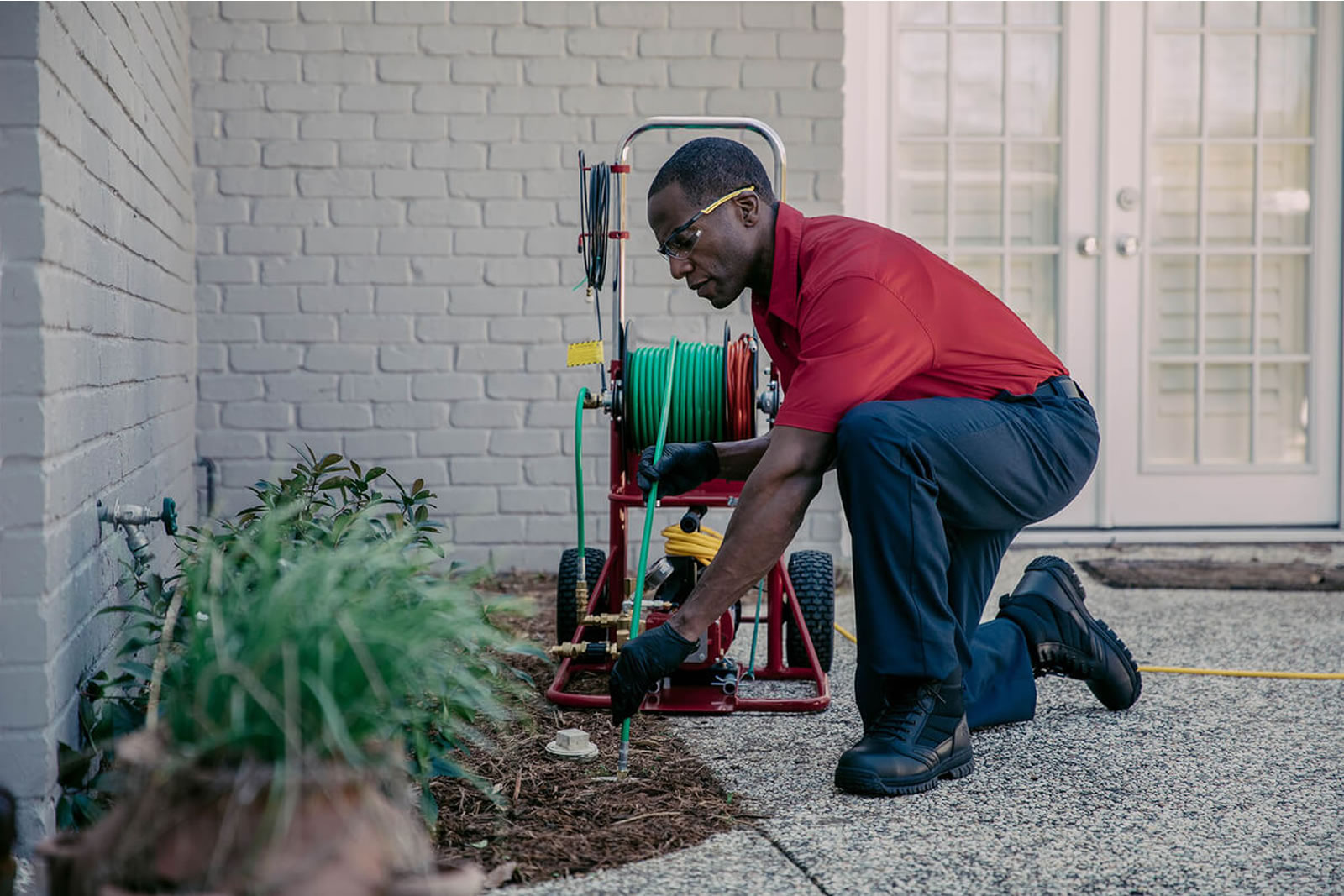
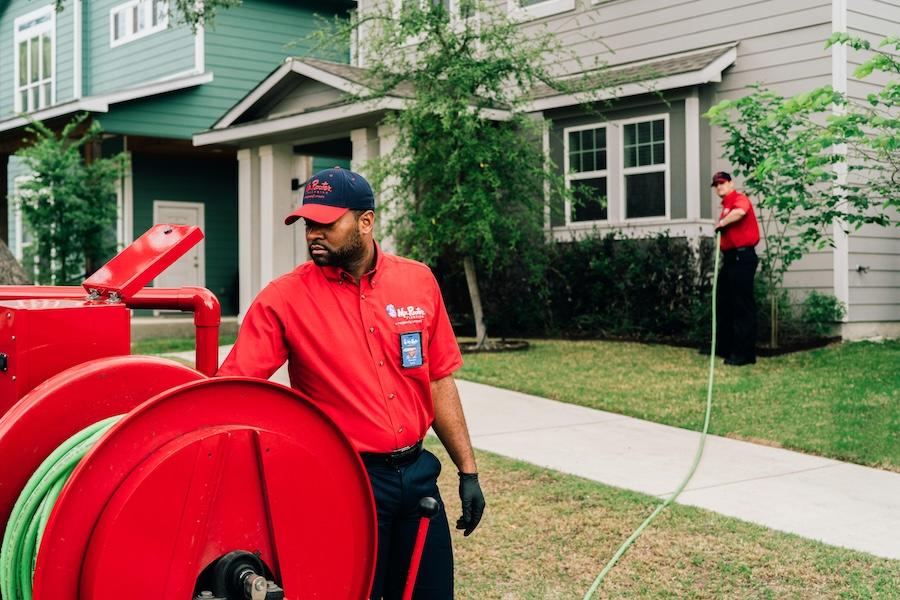
The pipes bringing water into your home work hard every single day, yet most homeowners never give them a second thought. That's understandable, because they're buried underground or hidden behind walls, but water lines don't last forever. Understanding what causes water lines to deteriorate helps you catch problems before they turn into flooded basements or emergency repairs. Mr. Rooter Plumbing can replace or repair water lines for homeowners. Keep reading to find out what breaks down your pipes, which materials hold up best, and how to tell when your water line is nearing the end of its lifespan.
Every pipe material comes with a built-in expiration date. Galvanized steel pipes were common in homes built before the 1960s, and typically last between 40 and 50 years before corrosion compromises them from the inside out. These pipes were considered durable when installed, but decades of water flow have revealed their limitations. Copper lines fare better, with lifespans reaching 50 to 70 years under the right conditions. Homes built after the 1970s might have PVC or polyethylene pipes, which can last for 75 years or more because they don't corrode the way metal does. The trouble is that many homeowners have no idea what material their water line is made from or when it was installed. If your home is more than 50 years old and still running on its original plumbing, those pipes have already exceeded their design life. Metal pipes lose wall thickness year after year as minerals and chemicals eat away at them. The degradation happens slowly to start, then accelerates once the protective interior coating wears through. Joints and connection points weaken before the rest of the pipe, and create vulnerable spots where leaks develop first. A plumber in Champion Township can identify your pipe material and determine its current condition through a simple inspection. It gives you concrete information about how much useful life remains, so you can plan ahead rather than react to a crisis.
The water flowing through your lines isn't pure H2O. It carries dissolved minerals, treatment chemicals, and trace contaminants that interact with pipe walls every second of every day. Hard water contains elevated levels of calcium and magnesium, and deposits scale along interior surfaces, the same way it leaves white residue on faucets and showerheads. These mineral layers accumulate over decades, where they gradually narrow the pipe's diameter and restrict water flow. A pipe that started with a three-quarter-inch interior diameter might only have a half-inch space after 30 years of mineral accumulation. Scale buildup also creates rough surfaces where bacteria can colonize and where additional sediment can catch and collect. Each layer compounds the previous one, and removal becomes nearly impossible without professional intervention. Water with a low pH level attacks metal pipes directly. It dissolves copper and zinc into the water supply and weakens the pipe structure. Municipal treatment plants add chlorine to kill pathogens, and while that protects public health, chlorine also breaks down certain plastic pipes and accelerates corrosion in metal ones. The chlorine concentration varies seasonally, with higher levels during summer months when bacterial growth increases. Private well owners have to deal with elevated iron content that leaves rust colored stains and iron bacteria that create slimy deposits inside pipes. Testing your water quality every few years reveals what's flowing through your system and whether it's actively damaging your infrastructure. Local water utilities publish annual quality reports that provide baseline data about your municipal supply.

Your water line spends its entire service life buried in soil, and the ground surrounding it plays an important role in how quickly it fails. Clay-heavy soil expands when wet and contracts during dry periods, which places mechanical pressure on buried pipes with every seasonal shift. The constant movement creates stress at joints and can crack rigid pipe materials. Sandy soil drains quickly and doesn't create the same expansion forces, but it provides less structural support and allows pipes to shift or settle. Loamy soil with good drainage and moderate density provides the most favorable conditions. Acidic soil is common in areas with high rainfall or heavy vegetation, and it corrodes metal pipes from the outside in. Pine trees and oak trees drop needles and leaves that decompose into acidic compounds, and these leach into the surrounding soil. External corrosion from soil contact leaves pipes vulnerable to cracks and pinhole leaks that seep water into the surrounding ground for months before anyone notices. The water loss shows up on utility bills, but pinpointing the source requires specialized equipment. Certain regions also have soil contaminated with naturally occurring sulfates or chlorides that attack concrete and metal aggressively. A plumbing repair service can evaluate soil conditions around your property and recommend protective solutions like pipe sleeves or corrosion-resistant materials if you're planning water line replacement. Soil testing provides valuable data before underground work begins.
Pipes rarely fail without warning, and recognizing early symptoms saves thousands of dollars in water damage and emergency repairs. Discolored water coming from your taps, especially a rusty brown or yellow tint, probably means that corrosion is breaking loose inside your pipes. This discoloration might appear only when you first turn on a faucet in the morning, because sediment settles overnight. Low water pressure throughout the house suggests blockages from scale buildup or a partially collapsed section of pipe. Track whether the pressure drop happened suddenly or declined gradually over months. Sudden changes point to acute problems while slow declines indicate progressive deterioration. Unexplained wet spots in your yard, especially along the path between the street and your home, indicate an underground leak that's been running long enough to saturate the soil. A sudden increase with no change in usage patterns can also mean that water is escaping somewhere in the system. Compare your current bills against the same months from previous years. Listen for the sound of running water when all fixtures are turned off. A faint hissing or rushing noise from walls or floors needs investigation. Visible rust, staining, or flaking on any exposed sections of your water line confirms active deterioration that extends past what you can see. If your home's water line is made from polybutylene, a gray plastic pipe installed during the 80s and early 90s, consider proactive water line replacement in Champion, OH. This material proved defective and fails at high rates. The same applies to certain early PVC formulations that become brittle with age. Don't wait for a complete rupture to call a plumbing repair service. Catching problems early means simpler repairs and less property damage.
Deteriorating water lines create real consequences, like property damage, contaminated drinking water, and expensive emergency work that disrupts your household. Proactive inspection and maintenance cost much less than reactive repairs after a failure. Mr. Rooter Plumbing provides inspections and professional repairs. Our plumbers in Mineral Ridge, OH arrive on time and complete work to code. Call us today to schedule an evaluation of your water line and protect your home from preventable water damage.
The condition of your drains is probably one of the last things on your mind up until your drains clog, smell, or leak then, they are incredibly hard to avoid. Drain problems can result in a stinky environment, excess water usage, and significant…
Professional Water Heater Services in Youngstown Nothing can amplify the shivers of the winter cold like the lack of hot water in your home or business. A malfunctioning or broken water heater can be the cause of great discomfort for your guests or…