

Emergency Local Plumbers in Youngstown, OH and nearby cities
Emergency Local Plumbers in Youngstown, OH and nearby cities
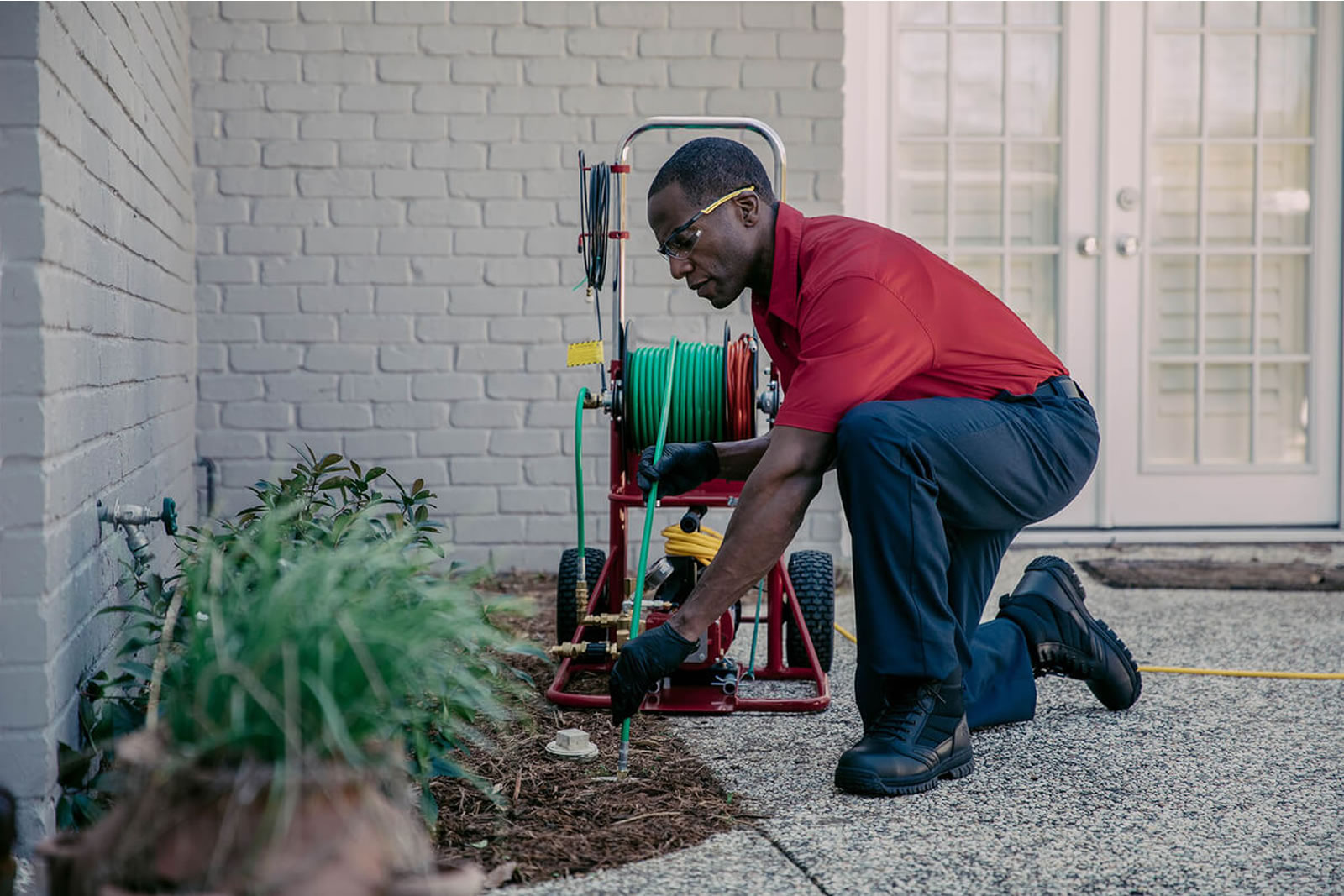
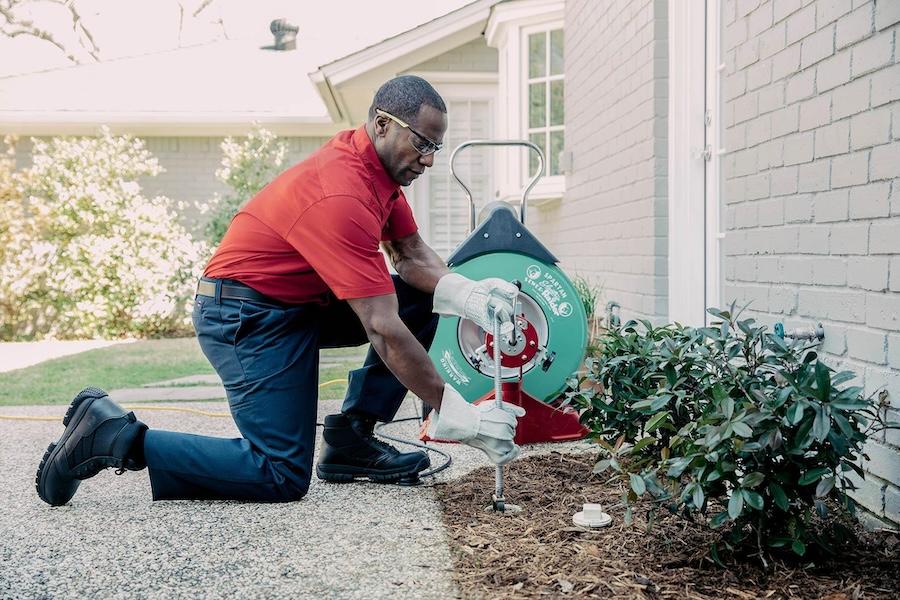
Finding a hidden leak used to mean tearing into walls and ripping up floors just to figure out where the water was coming from. That's not how it works anymore. Mr. Rooter Plumbing uses technology that locates leaks without demolition. Acoustic sensors, thermal imaging, and video inspections pinpoint the problem before anyone picks up a sledgehammer. Guesswork wasted hours of labor and left homeowners paying to repair damage from the search. We're showing you how modern leak detection works and why it saves money.
Water escaping from a pipe creates sound. Even when that pipe sits behind drywall or under a concrete slab, the vibrations travel through surrounding materials. Acoustic leak detection uses specialized microphones and ground sensors to pick up these frequencies and trace them back to their source. A technician places the sensor against floors, walls, or the ground above buried lines. The equipment amplifies sounds that human ears can't detect on their own. Different leak types produce distinct acoustic signatures. A pinhole leak in a copper supply line sounds different from a crack in a drain pipe. The sensors can distinguish between water escaping under pressure and water trickling through a slow seep. This precision matters because it tells the plumber in Austintown, OH exactly where to focus the repair. The process normally takes less than an hour for most residential properties. Compare that to the old method of cutting exploratory holes through multiple rooms until someone finally spotted moisture. Acoustic equipment eliminates trial-and-error entirely.
Leaking water changes the temperature of everything it touches. Cold supply water cools down wall cavities and subfloors. Warm water from a hot water line creates heat signatures that radiate through surfaces. Thermal cameras translate these temperature variations into visual maps that show exactly where moisture has spread. The camera displays cooler areas in blue tones and warmer zones in orange or red. A trained technician can read these patterns to identify where water is leaking and how far the damage extends. This information proves valuable for any plumbing repair service because it reveals the full scope of the problem before work begins. Thermal imaging works especially well for slab leaks, which occur when pipes running beneath concrete foundations develop cracks or corrosion. These leaks can run for weeks without visible signs inside the home. The water pools under the slab and eventually saturates the soil. By the time moisture appears on the floor surface, serious damage has already occurred. A thermal scan catches leaks much earlier in the process. The technology also identifies areas where insulation has become waterlogged, where mold growth has started behind walls, and where previous repairs may have failed.

Every hour a technician spends searching for a leak adds to your final bill. The old method meant paying for demolition, then paying for the actual repair, then paying again to rebuild whatever got torn apart during the hunt. Modern water leak detection compresses that timeline. When a plumber arrives with acoustic sensors and thermal cameras, they can locate most leaks within the first visit. The repair crew knows exactly where to cut, which means they make one precise opening instead of several exploratory ones. This accuracy reduces labor hours in the detection phase, the repair phase, and the restoration phase. Consider a slab leak as an example. Traditional detection required jackhammering through concrete in multiple locations until the crew found the damaged section of pipe. Each hole took time to create and even more time to patch afterward. With electronic detection, the technician marks the exact spot on the floor. The crew cuts one access point, completes the repair, and patches a single location. Material costs drop as well. You're not buying extra drywall, concrete mix, flooring materials, and paint for areas that didn't need to be touched in the first place. The savings add up quickly on jobs that would have otherwise involved extensive exploratory work.
A small leak doesn't stay small. Water follows gravity and spreads through every available path. A pinhole leak in an upstairs bathroom can saturate insulation, soak through ceiling drywall, and damage flooring on the level below. What starts as a repair costing a few hundred dollars can escalate into thousands once mold remediation and structural repairs enter the picture. Professional water leak detection in Lordstown catches problems during this early window. The technology picks up leaks that haven't yet produced visible stains, warped flooring, or musty odors. Acting at this stage means you're paying for a targeted repair rather than a full restoration project. Insurance complications also increase with delayed detection. Many homeowner policies cover sudden water damage but exclude gradual leaks that the homeowner should have noticed. If an adjuster determines that a leak existed for months before you reported it, the claim may be denied or reduced. Early detection with documented evidence from thermal scans and acoustic readings supports your position if you need to file a claim. Scheduling annual inspections through a reliable plumbing repair service makes financial sense for older homes with galvanized or copper supply lines. These materials degrade and develop leaks at joints, elbows, and areas where pipes pass through framing. Catching one small leak during a routine inspection costs less than discovering a major failure during a holiday weekend.
Leak detection technology has changed what homeowners should expect from a service call. Our technicians arrive equipped with acoustic sensors, thermal imaging cameras, and video inspection tools that locate problems with precision. We find the source, explain your options, and complete repairs with minimal disruption to your home. Contact Mr. Rooter Plumbing today to schedule an inspection.
Over half of the homes in the United States use natural gas to heat buildings and water, cook, and dry clothes. Considering the risks of gas leaks for health and safety, a professional gas line installation, gas line repair, or gas line replacement…
Are you looking for ways to improve the property value of your home or business? Have you been struggling with a leaky bathroom sink, overflowing toilet, or slow-draining bathtub? Then get the help you need today. At Mr. Rooter Plumbing of Youngstown, we…