

Emergency Local Plumbers in Youngstown, OH and nearby cities
Emergency Local Plumbers in Youngstown, OH and nearby cities

By the time their garbage disposal stops working, most homeowners are surprised by how much the technology has changed. Newer models run quieter, handle more waste, and put a lot less strain on your plumbing system than units from ten years ago. Mr. Rooter Plumbing helps local homeowners upgrade to disposals that are built for daily use. Keep reading to find out what separates current models from older ones, which features make the biggest difference, and what a professional garbage disposal installation involves.
Ten years ago, most residential disposals ran on ½ horsepower motors with single-stage grinding. Today's mid-range and premium units use multi-stage grinding systems that pulverize food waste into particles fine enough to flush through standard drain lines without buildup. The internal components have changed, too. Galvanized steel grinding rings have largely given way to stainless steel components that resist corrosion and maintain their edge longer.
Control systems have also improved. Older units relied on basic on/off switches, but many newer models include auto-reverse technology that detects jams and reverses the grinding direction instead of locking up or tripping the circuit. This single feature eliminates most of the service calls professional plumbers used to handle from disposal jams. Mount systems have been redesigned as well, with twist-lock connections that take minutes to seat correctly rather than the extended installs older units required.
The result of all these changes is less food waste sitting in your drain lines, fewer clogs, and a disposal that handles a realistic kitchen workload without breaking down in the first two years.
Motor power determines how your disposal handles hard waste like fruit pits, fibrous vegetables, and small bones. A ? horsepower unit can manage soft scraps, but it will stall or jam when pushed harder. A ¾ to 1 horsepower motor grinds through dense waste in a single pass and keeps the grinding chamber moving at a consistent speed even under a heavy load. The difference in grind quality affects your drain line. Coarse particles are the primary cause of disposal-related clogs, and a weaker motor produces more of them.
Households that cook daily need at least ½ horsepower, and anything above three people or with heavy cooking habits should start at ¾. The licensed plumber who checks your kitchen setup will factor in your drain pipe diameter and sink configuration before recommending a motor size. Oversizing a motor on a narrow drain line can sometimes create pressure problems. Matching power to your actual setup is part of a responsible garbage disposal installation.
Budget units at the lower end of the power range wear out faster. The motor bearings degrade, the grinding plate loses torque, and you end up calling for a plumbing repair service within three to four years instead of getting the seven to twelve years a properly matched unit should deliver.
Garbage disposals have a reputation for being loud, and older models earned it. The grinding chamber in most older units sat against the sink mounting flange with minimal insulation between the motor and the metal sink basin. Sound traveled straight up into the kitchen. Newer models fix this with multi-layer insulation wrapping the grinding chamber and anti-vibration mounting components that decouple the unit from the sink.
Some mid-range models now operate at sound levels comparable to a running dishwasher. Premium units go lower than that. Better insulation reduces vibration transfer, which also extends the life of the mounting hardware and the sink connection. A disposal that vibrates less puts less mechanical stress on the drain collar and the P-trap below it.
A qualified plumber installing one of these units will verify that the mounting collar is seated correctly and that the anti-vibration gasket is positioned properly. An improperly seated mount negates most of the sound reduction and introduces leak risk at the drain connection, which would eventually require a plumbing repair service.
Frequent resets, grinding that takes multiple cycles to clear basic waste, persistent odors that cleaning doesn't fix, and visible rust around the base or drain collar are all signs the unit is past its useful life. A single repair might cost $100 to $200, but if the unit is eight or more years old and already showing more than one of these symptoms, the repair buys only a short window before the next failure.

The calculation changes when you add up repair costs against replacement cost. A new mid-range unit with professional garbage disposal installation is a one-time cost for the unit with a seven to twelve year lifespan and a manufacturer's warranty. Repeated repairs on an aging unit rarely extend service life in a meaningful way.
A qualified plumber can help determine whether your existing drain configuration supports a direct replacement or needs modification. Older homes sometimes have drain lines that don't meet current slope standards, and a disposal upgrade is a logical point to correct those issues. A plumbing repair service visit to take care of a failing disposal can easily expand into a broader drain inspection that catches problems so you can avoid an emergency.
Newer disposal models deliver substantial improvements in grinding capacity, noise reduction, and motor efficiency. Matching the right unit to your needs will give you performance that holds up over the long term. Mr. Rooter Plumbing provides professional garbage disposal installation. Our plumbers can look at your drain setup before recommending a model. If your current disposal is struggling, stalling, or leaking, don't wait for a full failure. Contact us to schedule an assessment and get a disposal that's built for your kitchen.
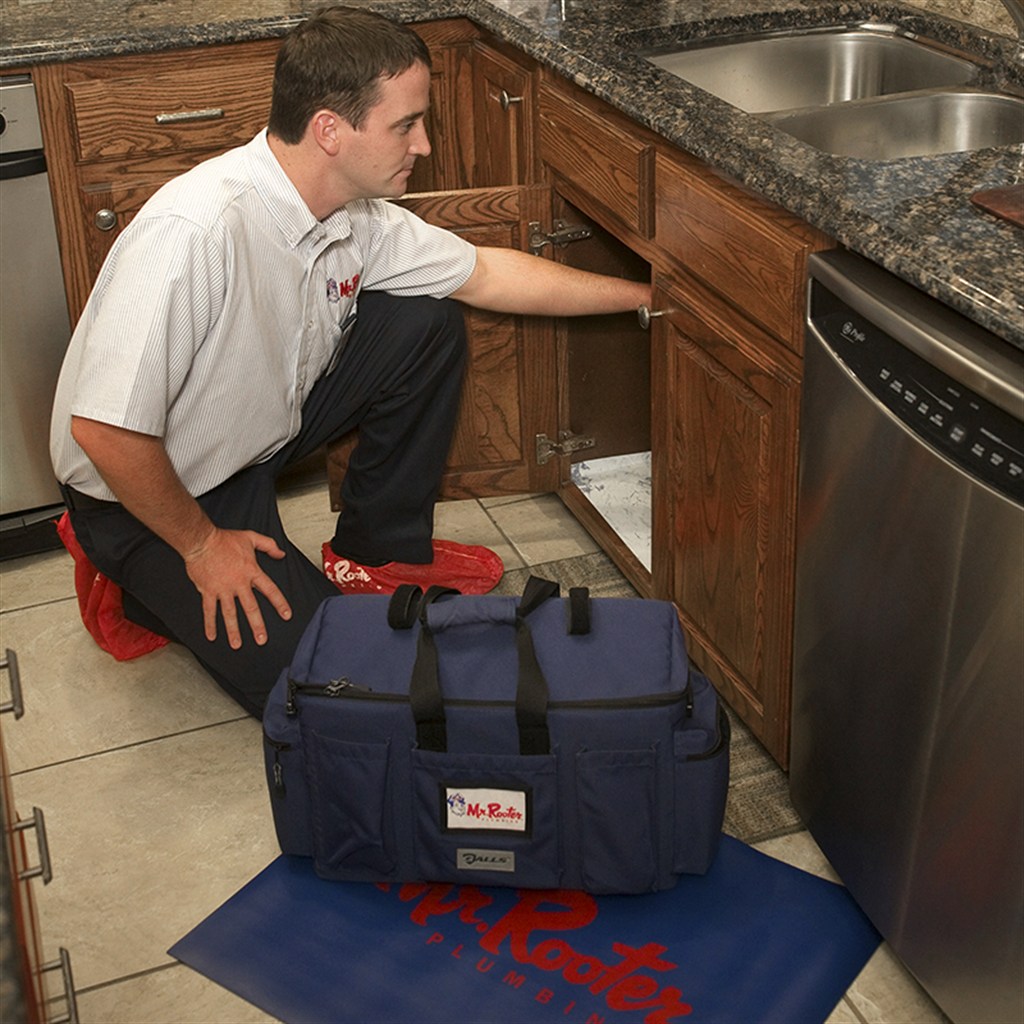
Kitchen plumbing in Youngstown is especially sensitive considering the kitchen is where we prepare and eat food. This is why you should be mindful of the plumbing system and look out for leaks and sniff for odd smells coming from drains. For reliable…
Plumbers for Emergency Plumbing A plumbing disaster can strike at any time of the day or night! Fortunately, the professionals and your friends at Mr. Rooter Plumbing are readily available to handle these emergencies 24 hours a day, every day. We believe that…