
Emergency Local Plumbers in Youngstown, OH and nearby cities
Emergency Local Plumbers in Youngstown, OH and nearby cities
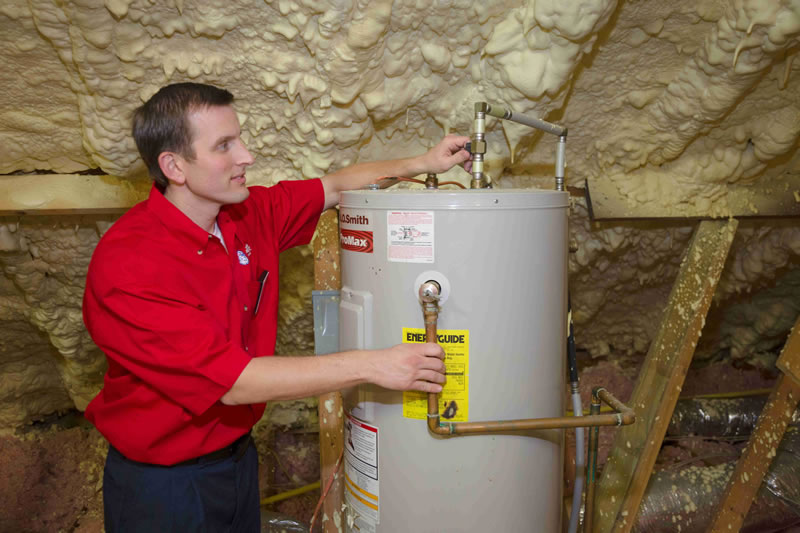
A boiler is one of the hardest-working systems in a home, and when it's installed correctly, it can provide reliable heat and hot water for decades. When it isn't, the consequences range from poor performance and high energy bills to serious safety hazards. Proper boiler installation isn't a job that leaves room for shortcuts, and at Mr. Rooter Plumbing, we want homeowners to understand exactly what's at stake before anyone touches their system. Keep reading to learn why installation quality matters so much and what a properly done job looks like.
A boiler operates under pressure, burns fuel, and moves heated water or steam through your entire home. The combination makes installation errors far more consequential than a leaky faucet or a running toilet. A mistake during setup can compromise the system from day one, and some problems won't show up until the boiler has been running for months.
The stakes are high because the failure points are serious. Incorrect venting can trap combustion gases inside the home. An improperly sealed connection can leak water or gas. A pressure relief valve installed in the wrong position won't protect the system the way it's designed to. Each of these issues traces back to the original installation.
A licensed plumber who specializes in heating systems understands how these components interact. Installation requires knowledge of combustion, pressure, water chemistry, and local building codes; all applied to a single job.
Gas line connections that aren't properly sealed can leak. Flue pipes installed at the wrong pitch allow condensate to pool and corrode the system. Expansion tanks sized incorrectly cause pressure buildup that trips the relief valve repeatedly. Here are some of the most common consequences of poor installation:
A plumbing repair service call to fix installation errors costs more than getting the job done right the first time. Correcting faulty work means diagnosing what went wrong, sourcing the right parts, and redoing work that should have held up for years.
Carbon monoxide builds up without warning, and a gas-fired boiler produces it as a byproduct of combustion. Under normal conditions, the flue system carries the gas outside. When the venting is wrong, it goes somewhere else.
Backdrafting is the most common installation-related cause of carbon monoxide buildup. It happens when the pressure dynamics in the flue system pull exhaust back into the living space instead of pushing it out. This can result from a flue pipe that's too large, a shared vent that wasn't properly designed, or a draft hood installed backward. None of these are visible once the walls are closed up.
Working carbon monoxide detectors are essential, but they're not a substitute for correct installation. An experienced plumber who knows boiler systems will check draft pressure, verify vent slope and clearances, and test for spillage at the draft hood before the job is finished.
A proper installation follows a defined sequence. Cutting steps to save time creates problems that surface later, sometimes years down the line. Homeowners should know what a complete job looks like so they can hold their contractor accountable. A thorough installation includes:
A boiler installation that skips combustion analysis or pressure testing is incomplete. They're the checkpoints that confirm the system is safe to run.
Pulling a permit for boiler installation triggers an inspection by a licensed building official who checks the work against local mechanical and gas codes. The inspection catches problems before the homeowner is living with them.

Unpermitted boiler work creates liability. If damage from a fire or carbon monoxide issue occurs, the homeowner's insurance company can deny the claim. If the home is sold and the unpermitted work is discovered during the buyer's inspection, it becomes a negotiation problem or a legal one. The permit protects the homeowner, not just the contractor.
Code requirements cover venting clearances, gas line sizing, combustion air provisions, and more. A plumbing repair service that operates above board will pull permits without being asked. If a contractor suggests skipping the permit to save money or speed up the timeline, that's a reason to hire someone else.
Boiler installation determines how safely and efficiently a system performs for the next 15 to 20 years. Cutting corners on the front end means paying for it later in repair bills and safety risks. At Mr. Rooter Plumbing, our technicians handle every installation to code, pull the required permits, and test the system thoroughly before calling the job done. Whether you need a new boiler installed or a plumbing repair service to fix work that wasn't done correctly the first time, we're the team to call. Contact Mr. Rooter Plumbing today to schedule a consultation with a qualified plumber who treats your home's safety as the priority it deserves.
Since sump pumps are often hidden away in the basement, it can be easy for homeowners to neglect them. However, failing to maintain a sump pump can have disastrous consequences if flooding ever occurs. It's for this reason that homeowners should always prioritize…
Your boiler plays a crucial role in heating the water in your home and the environment in which you live. Water and steam are great heat carriers which is why boilers are such efficient ways of heating your home without causing damage to…