

Emergency Local Plumbers in Youngstown, OH and nearby cities
Emergency Local Plumbers in Youngstown, OH and nearby cities
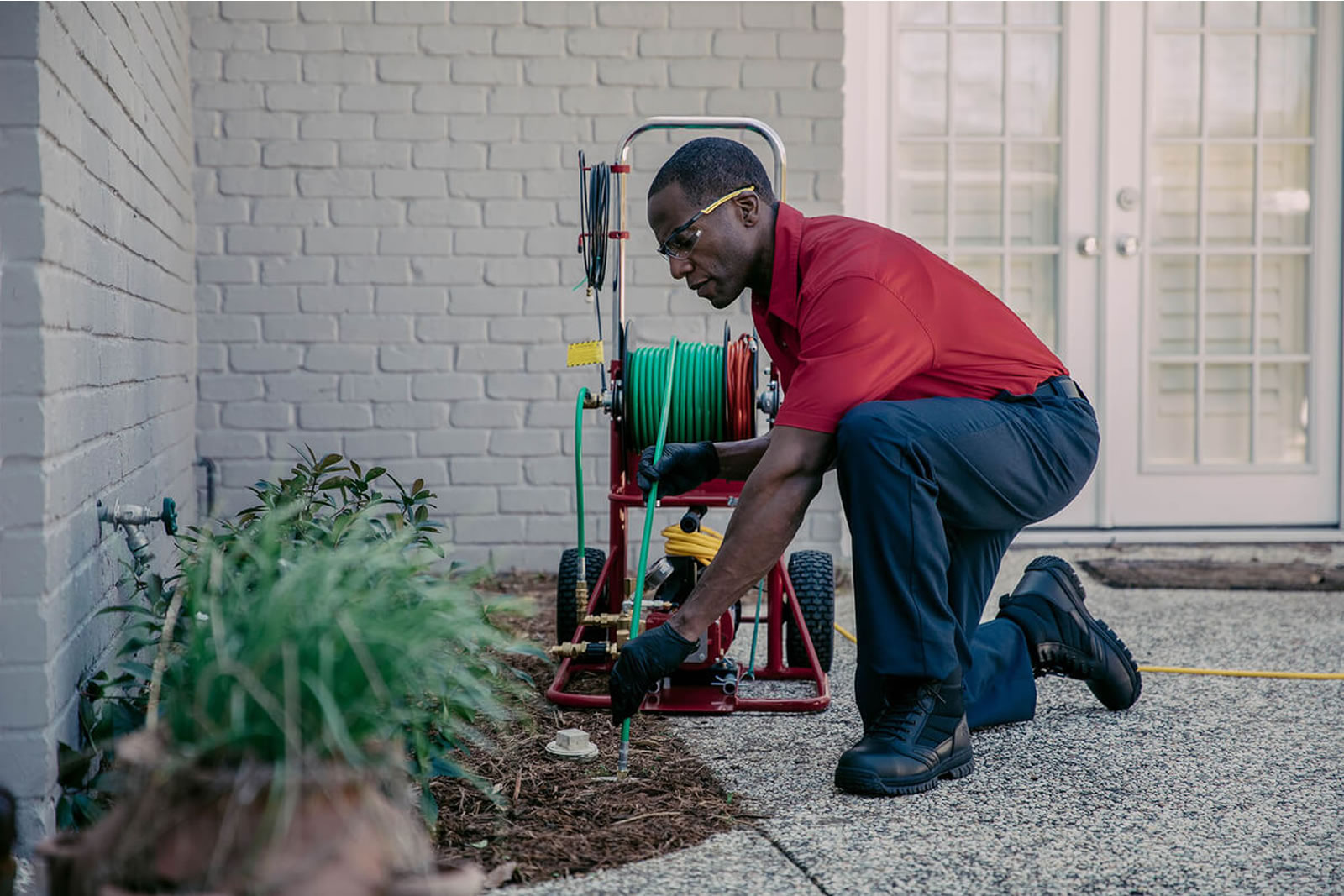
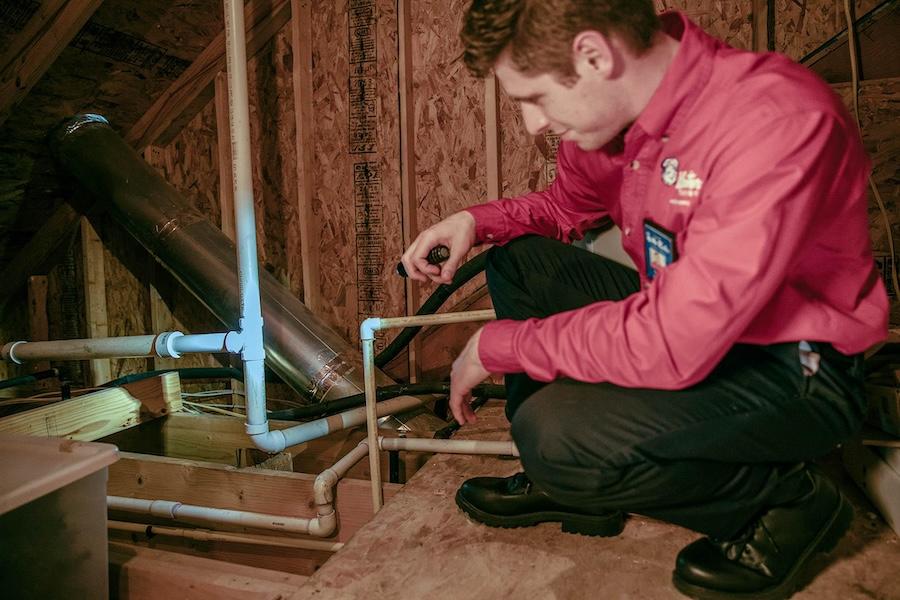
Repiping is a project that homeowners put off partly because of what they imagine it involves. The mental picture of torn-up walls and weeks of disruption is enough to make anyone hesitate, but that picture is usually more dramatic than the reality. Mr. Rooter Plumbing has walked plenty of homeowners through the repiping process, and concerns about wall damage come up almost every time. Understanding what the work involves and how experienced plumbers minimize disruption to your home changes the conversation. Read more for an honest breakdown of what repiping looks like and what your walls are in for.
Galvanized steel corrodes over decades, and polybutylene pipes, which were widely installed from the 1970s through the 1990s, are prone to cracking under pressure. Copper can last 50 years or more, but hard water accelerates pitting and pinhole leaks. When you're calling for a plumbing repair service every few months to patch a different section of pipe, that's a problem. Watch for these signals:
One leak in a single spot usually needs a targeted fix. Multiple leaks across the system, combined with aging pipe material, typically mean the pipes are failing. At that point, patching individual sections costs more than replacing the whole system.
This is where most homeowners expect the worst, and it's where the reality diverges. A skilled plumber doesn't remove drywall at random. The work starts with mapping the pipe layout, which determines exactly where cuts need to happen and how few are required to thread new pipe through the wall cavities.
Access points are cut strategically, usually at fixture locations, connection points, and spots where pipes change direction. In a standard single-story home, a full repipe might require cuts at eight to twelve locations, not one continuous trench down every wall. Homes with a crawlspace or basement allow plumbers to run new lines from below, which reduces the number of wall cuts.
Newer trenchless and flexible piping materials like PEX also change the math. PEX bends around corners and can be fished through wall cavities the way an electrician pulls wire, so long straight runs require fewer access points than rigid copper does. The access strategy depends on your home's layout, pipe routing, and the material going in, all of which a plumber assesses before any cutting starts.
Repiping contractors are plumbers, not drywall finishers. Most will patch the access holes to a functional level, meaning the wall is closed and structurally sound, but cosmetic finishing like sanding to a smooth surface, priming, and painting is a separate step that falls to the homeowner or a drywall subcontractor.
Ask about this before the job begins. Knowing this upfront prevents surprises when the plumber wraps up, and you're left with a wall that needs paint. Depending on how many access points were cut, the patching work can range from a few small repairs to a more involved finishing job.
Cutting through tile for access is sometimes unavoidable, and tile is rarely patchable without visible seams unless you have matching stock left over from the original installation. Discuss tile areas specifically with your plumber before the project starts so you're not caught off guard by what comes next.
Walking into a repiping project without asking the right questions leaves you vulnerable to unexpected costs and surprises. Start with the material. PEX, copper, and CPVC each have different price points, longevity expectations, and code requirements depending on your municipality. Ask which material the plumber recommends for your specific situation and why. Get clear answers on these points before signing:

If the job also involves a toilet installation or fixture replacement while the system is open, confirm whether the work is included in the main quote or billed separately. A repiping project is a natural time to take care of aging fixtures, and bundling the work saves on labor.
The permit question is most important. A repipe without a permit can create problems when you sell the home, and it may void coverage on the new pipes under your homeowner's insurance. A reputable plumbing repair service will pull the permit as a standard part of the job.
If your home is showing the signs of a failing pipe system, the longer you wait, the more water damage accumulates and the more you spend on temporary fixes. Contact Mr. Rooter Plumbing to schedule an assessment. A plumber will evaluate your current system, map out the access points, and give you a clear picture of what the job involves.
Tired of being hit with that surprise shock of cold water in the shower before it finally heats up? Hot water is a luxury we can take for granted until it runs out, especially on the cold days of winter. Standard storage water…
Water damage can be costly to repair. Rotting wood, mold, mildew, and rust are just some of the results of water damage, but they can be avoided. Aside from proper control and maintenance of water pipes and sinks, waterproofing is a great way…